
The Non-Proliferation and Disarmament Programme
BASIC’s Non-Proliferation and Disarmament Programme advances international efforts to prevent the spread of weapons of mass destruction and to facilitate their reduction and elimination.
Central to the Programme’s work is its ongoing monitoring of the treaties and conventions governing this type of weaponry, such as, for example, the Treaty on the Non-Proliferation of Nuclear Weapons (NPT), the Treaty on the Prohibition of Nuclear Weapons (TPNW), the Chemical Weapons Convention (CWC) and the Biological Weapons Convention (BWC), as well as monitoring the implementation of United Nations Security Council (UNSC) Resolution 1540; the establishment of standardised frameworks for analysing transparency practices relating to weapons of mass destruction; the promotion of the peaceful uses of dual-use technologies; and, finally, assisting key stakeholders in developing best practices regarding the fulfilment of their international obligations in these areas.
The Non-Proliferation and Disarmament Programme serves as well BASIC’s mission to safeguard humanity and Earth’s ecosystem from nuclear risks and interconnected security threats by engaging in interdisciplinary research and dialogue; and provides stakeholders with analytical tools, resources, and expertise to address challenges to peace and security, and to promote non-proliferation, disarmament, and international development.
Current Projects
The Non-Proliferation and Disarmament Programme currently has four projects under way:
The NPT Monitor, a project being developed in 2025-27, will provide independent analysis and information on the implementation of commitments by NPT State Parties across all three “pillars” of the Treaty: Disarmament, non-proliferation, and peaceful uses of nuclear technology.
The Nuclear Transparency Inventory (NUTRI), also being developed in 2025-27, will establish a rigorous, standardised framework for analysing the nuclear weapons-related transparency practices of all nuclear-armed states.
Nuclear for Good is an initiative that aims to enhance and spread the knowledge of nuclear sciences and technologies. For this purpose, it has been created a website that incorporates the Nuclear Technology Database, a Nuclear Stakeholder Network Map, and a set of case studies of successful implementation of nuclear sciences and technologies. The website is also the home of the Nuclear for Good movement, an interdisciplinary group dedicated to promoting peaceful applications of nuclear science and technology in order to make progress on the SDGs.
Scoping British Nuclear Weapons Harms, a project funded by the Joseph Rowntree Charitable Trust, which is part of BASIC’s ongoing work on nuclear harms.
Past Projects
The NPT Support Project, funded by the UK Government, aims to facilitate the “best possible outcome” at the 2026 NPT RevCon by identifying priority areas for consensus-building and developing pathways for multilateral cooperation through consultations and dialogues with diverse global stakeholders.
Preparing for the first RevCon of the Treaty on the Prohibition of Nuclear Weapons: An analysis of the TPNW’s implementation and impact, funded by the Überlebensrecht Stiftung, assesses the state of implementation of the TPNW and the main discussions taking place in the framework of the conference of States Parties in order to propose a set of actionable policy recommendations for governments and civil society ahead of the 2026 TPNW RevCon.
Our Funding
We would like to thank the funders (including those who wish to remain anonymous) whose generous support makes the work of the Non-Proliferation and Disarmament Programme possible:
Current and Recent Funders:
- Counter-Proliferation and Arms Control Centre, UK Government (Peaceful Nuclear Technologies Portal)
- Global Affairs Canada (NPT Monitor and Nuclear Transparency Index)
- Ministry of Foreign Affairs, Kingdom of the Netherlands (NPT Monitor and Nuclear Transparency Index)
- Überlebensrecht Stiftung (TPNW project)
- Joseph Rowntree Charitable Trust (Scoping British Nuclear Weapons Harms project)



NPD Briefs
The Non-Proliferation and Disarmament Briefs (aka “NPD Briefs”) is a new series by BASIC’s Non-Proliferation and Disarmament Programme. The Briefs are intended to be short, thought-provoking opinion pieces that address a range of current issues relating to international efforts to prevent the spread of weapons of mass destruction and to facilitate their reduction and elimination.
“NPD Briefs” will be published on an ongoing basis throughout the year. The maximum length is 1,500 words. British spelling is to be used throughout the text.
Proposals are accepted at any time; to submit one, please contact the Programme Manager of the Non-Proliferation and Disarmament Programme, Dr Manuel Herrera, at [email protected] with a brief summary and title totaling no more than 200 words.
Explore the Work of the Non-Proliferation and Disarmament Programme
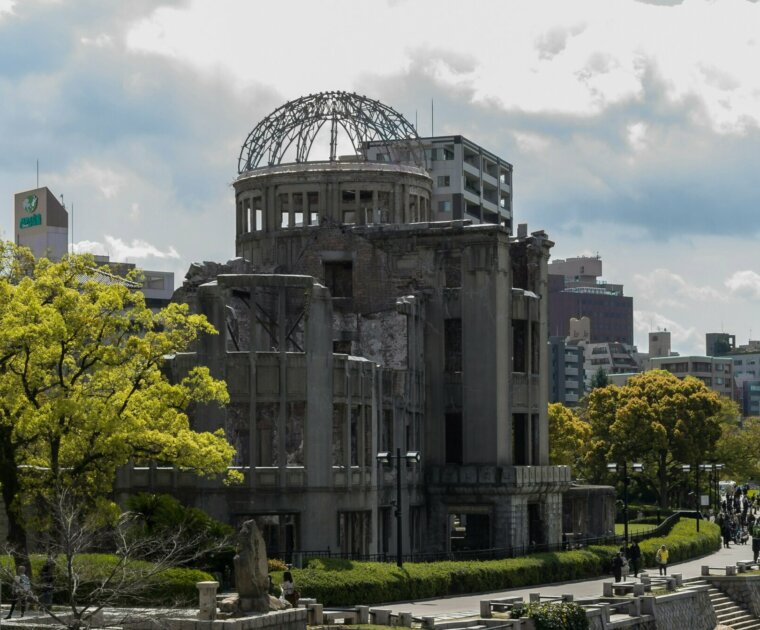
Announcement: BASIC Launches the NPT Monitor Project
BASIC is pleased to announce the Nuclear Non-Proliferation Treaty (NPT) Monitor, a new project being developed by our Non-Proliferation and Disarmament Programme.

Announcement: BASIC Launches the Nuclear Transparency Inventory Project
BASIC is pleased to announce the Nuclear Transparency Inventory, a new research project from our Non-Proliferation and Disarmament Programme.

Ratifying Rarotonga and Pelindaba: A No-Brainer for the Biden Administration
Dr Sizwe Mpofu-Walsh argues that the Biden Administration should use its Democratic Senate majority to ratify the Rarotonga and Pelindaba treaties.

BASIC Co-Director Gives Remarks at the P5 Process
Sebastian Brixey-Williams, BASIC Co-Director, was invited to be a rapporteur at the P5 Process held in Paris.

BASIC Co-Director gives remarks at the Jeju Process
On November 11, 2021 BASIC Co-Director, Sebastian Brixey-Williams, was invited to give his remarks to…

Conventional Arms Control and Nuclear Security: The Challenge of Conventional Prompt Global Strike Weapons
Guest author, Peter Rautenbach, explores the challenges of Conventional Prompt Global Strike (CPGS) weapons, and looks to arms control to mitigate the ensuing risks.
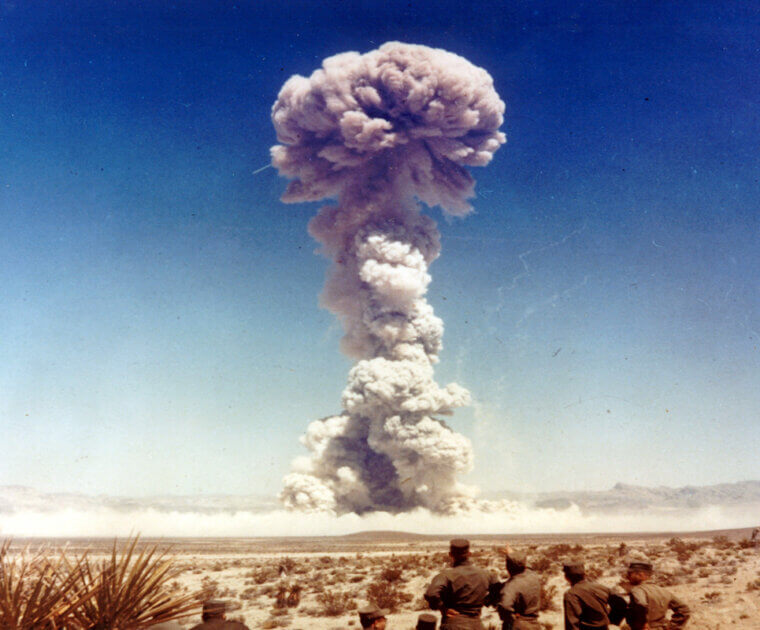
BASIC Co-Director gives remarks at KAS Multilateral Dialogue and Atomic Reporters Study Programme Launch
On 7 July 2021 BASIC Co-Director, Sebastian Brixey Williams, was invited to give his remarks at the launch of the KAS Multilateral Dialogue and Atomic Reporters study programme, ‘A Neglected Story – The Legacy of Splitting the Atom.’

BASIC Co-Director Marion Messmer selected as Arms Control Negotiation Academy (ACONA) Fellow
We are delighted to share that BASIC Co-Director, Marion Messmer, has been selected for the Arms Control Negotiation Academy 2021-22 Fellowship.
Our Programmes
BASIC is developing new approaches to overcome states’ dependency on the doctrine of nuclear deterrence, which blocks global nuclear disarmament and drives proliferation. We engage diverse perspectives, encourage empathy across states, and broaden the context of debate. We have an established reputation for non-partisan, non-judgmental, cross-cultural engagement and for seeking common ground.