Inclusive International Security
Inclusive International Security
The Challenge
The field of international peace and security suffers from a chronic lack of demographic and cognitive diversity, which harms its legitimacy, professional culture, and ability to solve complex global problems. This manifests in the under-representation of women in official and non-governmental positions (especially in senior management), discrimination, harassment, and exclusive research and communications. Such problems are amplified for women of colour and other minority groups. These problems need to be fixed today, and not reproduced in the next generation of professionals.
Our Approach
BASIC is a leading advocate for reforms to diversify the peace and security field, building on the norms set by the Women, Peace and Security and Youth, Peace and Security agendas, and parallel agendas in nuclear non-proliferation and disarmament forums. This not only means having more women ‘at the table’, eradicating ‘manels’, and enforcing diversity in policymaking, but also to ask more fundamental questions using a gendered analysis, like: ‘Who’s affected, who makes the decisions, and how are the health and lasting peace of a society impacted?’ In addition, we’re taking active steps to bake in this awareness through a robust and geographically diverse set of high-potential next generation stewards of the global nuclear order.
What we’re doing
- The Emerging Voices Network: Each country has high-potential, next generation leaders on nuclear weapons issues who will eventually inherit the responsibility to manage the nuclear threat. Yet today they are siloed and disconnected from each other, as there is no effective global network to enable cooperation, especially in the Global South. As a contribution to the 2020 NPT Review Conference, BASIC is organising two events specifically targeted at the NextGen of NPT stewards. These events are designed to springboard off the recent Youth, Disarmament and Non-Proliferation UN Resolutions, fostering a more robust dialogue and sense of purpose among like-minded youth from around the world.
- The Inclusive Think Tanks Toolkit: Launched in February 2021, the Inclusive Think Tanks Toolkit provides practical guidance to international affairs organisations who want to audit and improve their diversity, and has been developed jointly by BASIC, Chatham House and The Centre for Feminist Foreign Policy (CFFP). The Toolkit was developed from a series of quarterly breakfast meetings on gender in international affairs bringing together experts and practitioners from academia and the international affairs community from around the UK for an open-ended conversation under Chatham House Rules.
- Gender Champions in Nuclear Policy: BASIC has joined the Gender Champions in Nuclear Policy. As well as refusing to appear on all-male panels, BASIC’s Co-Directors have pledged the following commitments in 2020:
- Increasing the diversity of our Executive Board, aiming for gender parity by 2021;
- Ensuring that all BASIC staff feel skilled up on our gender work; and
- Launching the Inclusive Think Tanks Toolkit and applying it internally.
- Overhauling our own HR Policies: As part of a wider refresh of our workplace policies, we are also reviewing and updating our HR policies to ensure we provide an equitable working environment to all staff members.
- Publishing think pieces: BASIC looks to apply a gendered analysis across our programmes, as well as writing discrete analysis for the Outrider Foundation.
With thanks to our funders at the Norwegian Ministry of Foreign Affairs, Global Affairs Canada and Outrider Foundation.


Publications and Analysis
BASIC is developing new approaches to overcome states’ dependency on the doctrine of nuclear deterrence, which blocks global nuclear disarmament and drives proliferation.
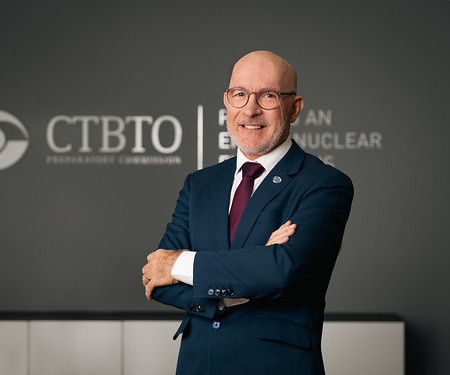
Emerging Voices Network Senior Expert Masterclass: Dr. Robert Floyd and the CTBTO
On 20 May 2026, Dr Robert Floyd presented the work of the Preparatory Commission for the Comprehensive Test Ban Treaty Organisation (CTBTO) and his experience as Executive Secretary to BASIC’s Emerging Voices Network (EVN).
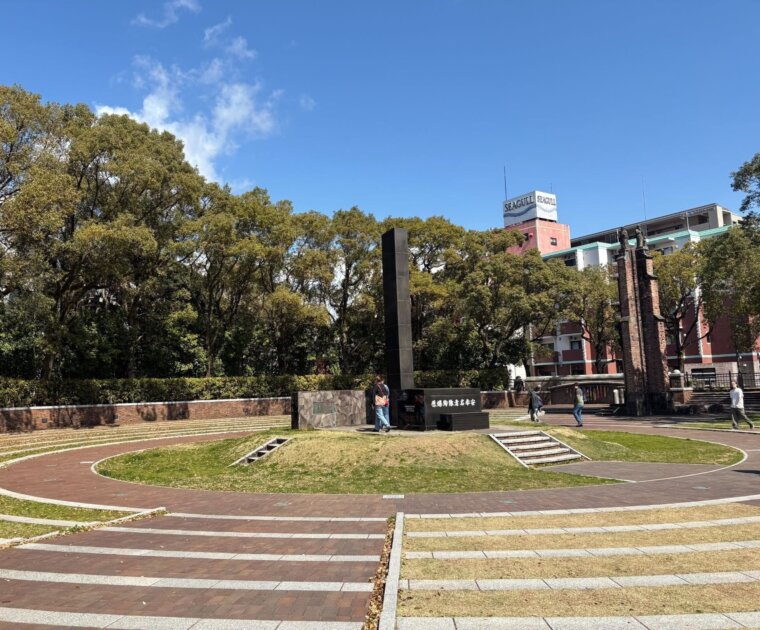
Where Memory Meets Responsibility: Reflections from the Emerging Voices Network’s 2026 Trip to Nagasaki
In this blog post, Policy Intern Chiara Fargnoli reflects on a trip the Emerging Voices Network (EVN) undertook to Nagasaki as part of the “Аssembling Peace Through Dialogue” project in March.

Event Recording: Envisioning Future Pathways for the NPT
We are pleased to share a recording of our latest EVN Policy Cycle report launch event on 21 May 2026.

The EVN Joins the Global Youth Consultation on Disarmament Issues for the Second Independent Progress Study on Youth, Peace and Security (YPS)
In this blog, Policy Fellow Declan Penrose reflects on the Emerging Voices Network (EVN) Programme team’s participation in a consultation as part of the Second Independent Progress Study on Youth, Peace and Security (YPS).
Report Launch Event: Envisioning Pathways for the Future of the Nuclear Non-Proliferation Treaty
On Thursday, the 21st of May 2026, at 1 pm BST, the Emerging Voices Network (EVN) is delighted to host an online launch event for our latest EVN Policy Cycle report.
Report: Envisioning Future Pathways for the Nuclear Non-Proliferation Treaty
Our new EVN report gathers the expertise of emerging experts on what the future could hold for the Nuclear Non-Proliferation Treaty (NPT).

Report: Assembling Peace Through Dialogue
We are pleased to announce the publication of “Assembling Peace Through Dialogue”, a collaborative report by The British American Security Information Council (BASIC), the PCU Nagasaki Council for Nuclear Weapons Abolition (PCU-NC), and Nagasaki University’s Research Center for Nuclear Weapons Abolition (RECNA).
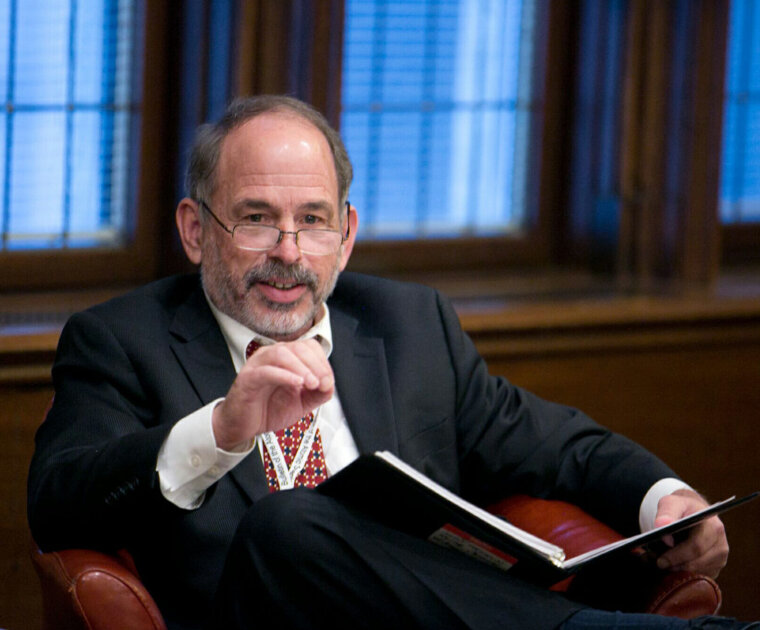
Emerging Voices Network Senior Expert Masterclass: Journalism Training with John Mecklin
On 18 February 2026, the EVN hosted a Senior Expert Masterclass with John Mecklin on…
Active Programmes
BASIC believes in making progress on nuclear disarmament, arms control, and non-proliferation through multiple complementary approaches. We continuously develop our programmes – streams of research – through sustained engagement with a wide range of stakeholders, collectively searching for the art of the possible.
Our current programmes are listed below. View the current programmes page by clicking here.