

Discussions about the feasibility and necessity of a legal ban on nuclear weapons took centre stage at the first session of the United Nation’s Open-Ended Working Group on taking forward multilateral nuclear disarmament.
Blog
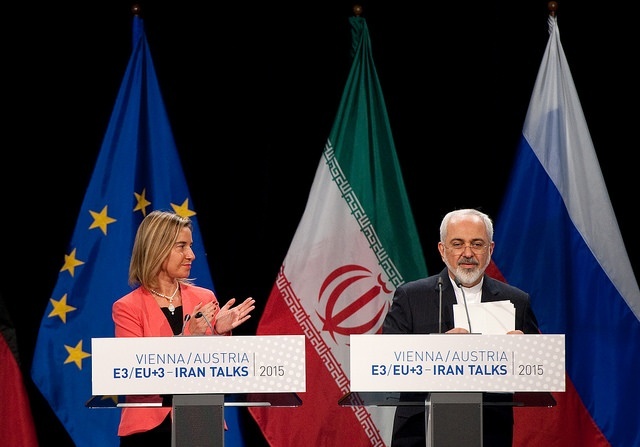
What next after the Iran Nuclear Deal?
The Iran nuclear deal is seen by many as a success for international relations and security. Implementation Day (16th January) came after years of intensive negotiations. Iran has reduced activities that could have been used to develop nuclear weapon capabilities and the E3+3 has responded by lifting many of its sanctions. There remain severe doubts and enemies of the deal in the United States, Iran and neighbouring states. There are likely to be developments in the region that could put the agreement under further pressure.
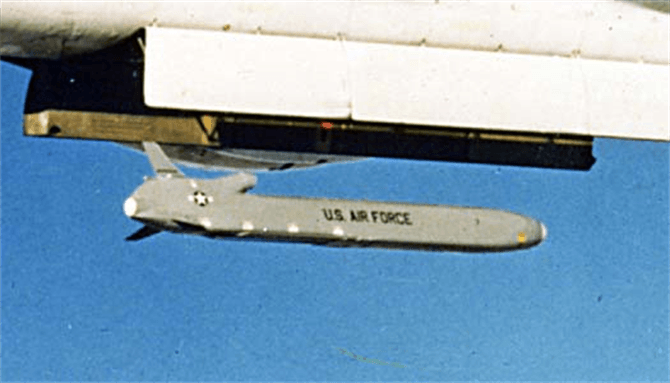
America needs the LRSO… just in case
Lord Salisbury said once that if generals were left to their own devices, they might well decide to put garrisons on the Moon to defend us from Mars. Envisioning worst-case scenarios and drawing up contingency plans for them is part of what the military does to get its job right. The problem with this professional reflex is that it often fails to assess comparative risk effectively, and in particular fully account for the risks of unintended consequences or the impacts on others. When it comes to nuclear policy and procurement decisions, the temptation for overkill is high.
North Korea’s Hydrogen Bomb Test and the Questions It Raises
North Korea announces that it has tested a hydrogen bomb. This raises three questions: Is it true? Should we be worried about it? What can we do about it?

Nuclear-free Mongolia: A Model for Northeast Asia?
For some countries, the response to grave feelings of national vulnerability has been the acquisition of nuclear weapons. Yet the global disarmament movement, and, specifically, advocates for denuclearisation in Northeast Asia have an unlikely yet powerful model of hope – Mongolia.

The impact of cyber vulnerability
On 23 November, the day the Strategic Defence and Security Report (SDSR) was released, former Defence Secretary Lord Browne warned of the possibility that the UK’s nuclear deterrent, Trident, will likely be rendered ‘o

Trident Cost-Saving Options
Trident's costs could be spiralling, as reported this week, though it may be too early to tell. Either way, the government is protecting this huge and most controversial military procurement project whilst deeply controversial welfare cuts are being debated. It is not considering cheaper alternatives even as the MoD itself suffers.
Preventing an Iranian bomb: the case against threatening military action
As the Joint Comprehensive Plan of Action on Iran’s nuclear program moves into its implementation phase, many are watching with a careful eye to see if and how it will succeed. Western skeptics are undoubtedly waiting to say, “I told you so” if Iran gets caught red handed developing a nuclear weapon capability. Others may be worried about the future, ten years from now when some of the constraints imposed by the deal expire, and how we will contain Iranian ambitions at that point.