
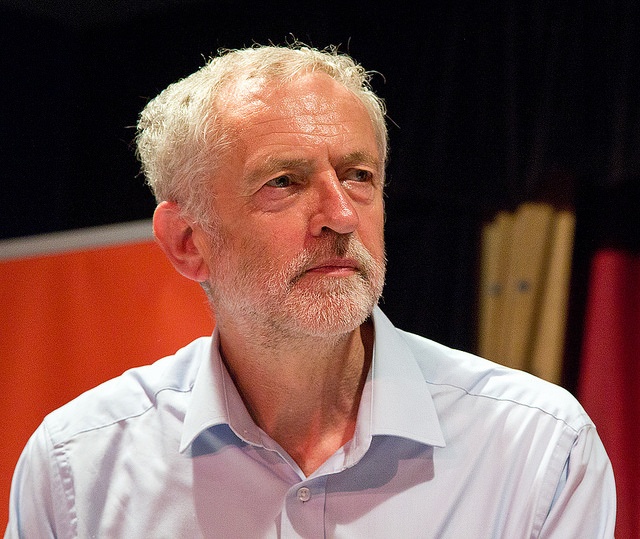
This week's non-debate of Trident at the Labour Party conference is now an opportunity to reframe the issue and set the UK on a more stable path towards a non-nuclear future. But it will take collaboration between people on different sides of the current divide.
Blog
Iran, the JCPoA and the Future of the Non-Proliferation Regime
The non-proliferation regime appears to have stagnated since the previous Review Conference in 2010. It involves deep complexity and relies upon shared norms, but these alone are insufficient for states to have the necessary confidence essential to its success.
Political Considerations of the Iran Deal
A 2007 US National Intelligence Estimate report concluded that Iran had halted any research related to nuclear weapons in 2003. It categorically stated that this was a result of Iran’s cost-benefit approach.
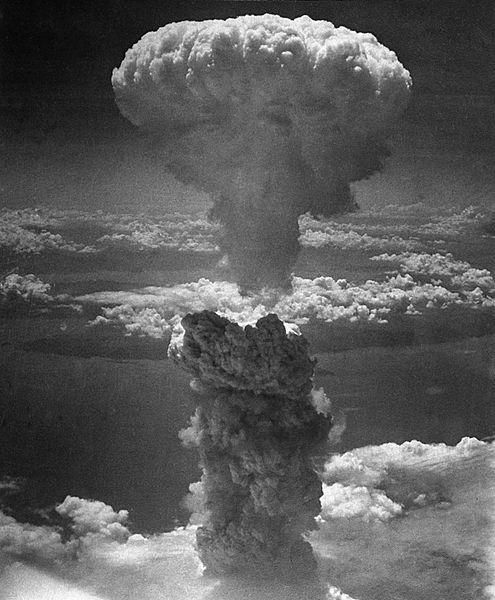
What If Hiroshima Did Not Force the Japanese to Surrender?
You may hear a lot this week that the bombing of Hiroshima was a turning point for humanity – the most important historic event of the 20th century, ushering in the nuclear age. From that moment on, 70 years ago, humans had to come to terms with the fact that we could cause our own devastation along with the majority of large species inhabiting this planet.
Labour Needs a Global Nuclear Disarmament Policy
Once again Trident emerges as a key flag issue that establishes where candidates for the Labour leadership election stand. Andy Burnham has perhaps the most difficult task, being deeply sceptical about nuclear weapons personally but claiming that current international instability, and particularly Russian threats to European security, means it is not now the time for Britain to consider abandoning the weapons.
A breakthrough for Iranian fanatics
Iranian radicals who see themselves on the front line against Zionism and the Great Satan are on tenterhooks this summer. Iran, a weak middle-power country often itself isolated from the rest of the world, could succeed in dealing a huge blow to the credibility of the most powerful state on the planet, and with it the positive values it represents.
Where is the UK government’s nuclear weapons policy heading?
Whichever way you look at it, it seems that the fiscal hawks and disarmament doves have been blown out of the sky and have sunk into a deep blue ocean where the Trident Successor programme stares them head-on.
Iran: It’s the Final Countdown.
Leaders of the E3+3 and Iran are working towards crafting a binding agreement aimed at increasing controls on Iran’s nuclear program that would impact upon the time it would take for Iran to create a nuclear bomb, and reducing sanctions.