
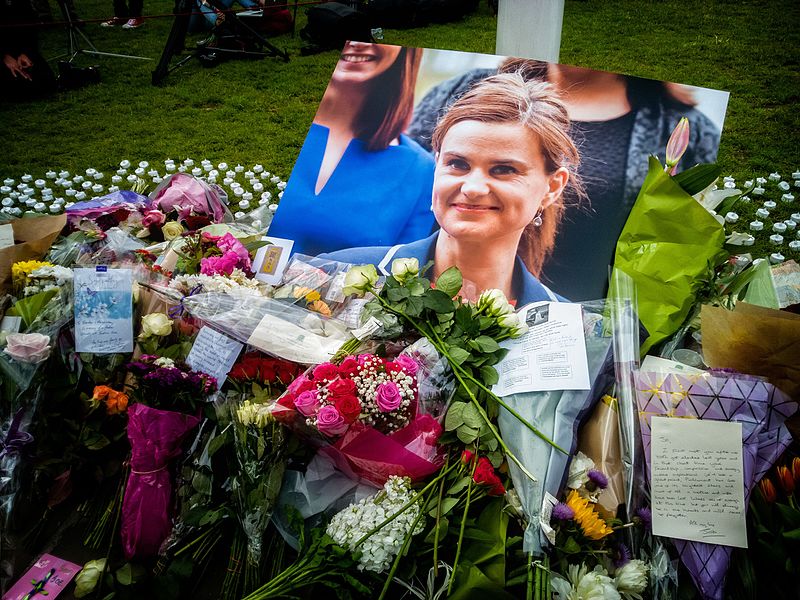
We need to look again at identity politics. Horror, despair, rage, confusion: they and other emotions are all understandable reactions to Jo’s killing last week.
Blog
Moving the OEWG forward
Global multilateral nuclear disarmament has proven over the last 70 years to be a process characterised by stagnation, originating from a series of competing international interests.
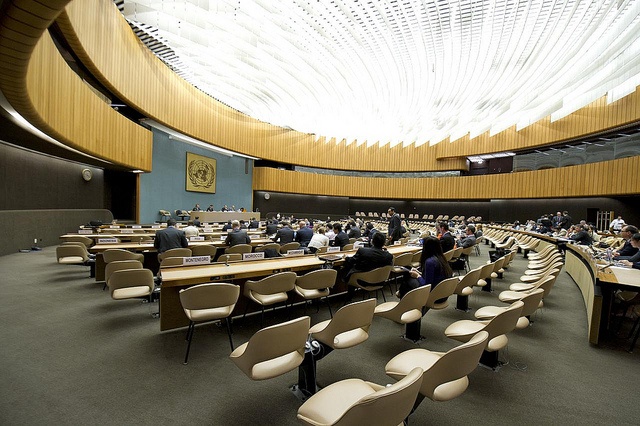
Moving the OEWG forward
Global multilateral nuclear disarmament has proven over the last 70 years to be a process characterised by stagnation, originating from a series of competing international interests.
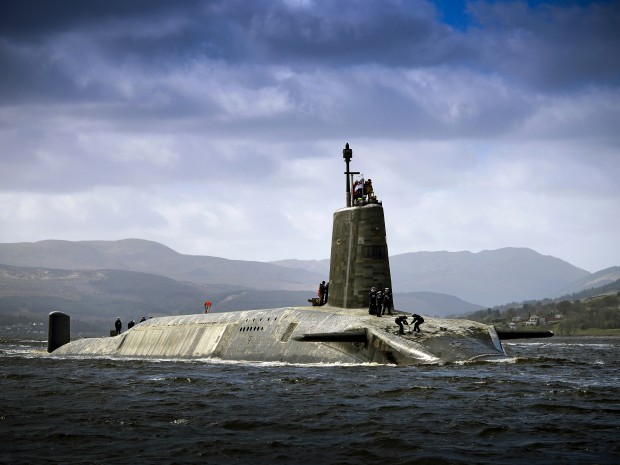
Concerning SSBN Vulnerability - recent papers
Two BASIC papers published in recent months (The Inescapable Net: Unmanned Systems in Anti-Submarine Warfare and A Primer on Trident's Cyber Vulnerabilities), have asserted the UK’s strategic nuclear deterrent is in danger of becoming vulnerable in such a way that it can no longer be relied upon to fulfil its primary role.

Celebrating Alyson Bailes
Our former colleague and friend Alyson Bailes died on Friday 29th April, after an extended fight against cancer over the last decade.
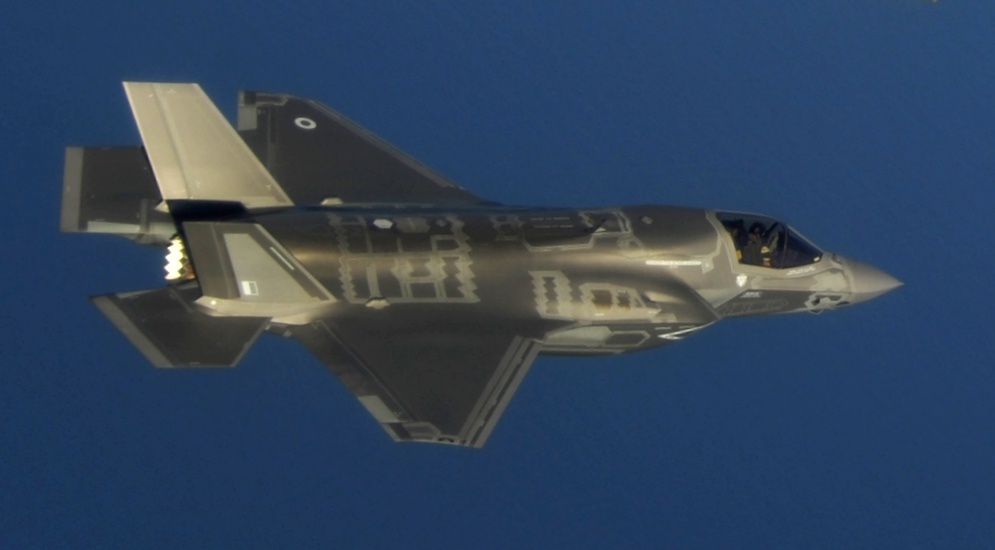
Trident Advocates Target the Air-Launched Option
As Emily Thornberry, Shadow Defence Secretary, closes the consultation period on her defence review, critics of the review have been engaging on the substance. They worry that minds currently are just a little too open to alternatives for comfort, and that a non-Trident alternative could become Labour policy.

Understanding the New Arms Race
The stand-off between Russia and the West has prompted triggered fears of a renewed East-West. Amidst this climate of confrontation, nuclear weapons have regained some relevance for strategists on both sides, and political leaders have implied veiled nuclear threats.
International Cooperation over North Korea: Possibilities and Limitations for Russia
North Korea’s fourth nuclear test followed by an orbital rocket launch has presented the Russian Federation with another opportunity to find common ground with other global powers and demonstrate leadership in international affairs.