Here’s a terrifying prospect: President Donald Trump with his finger on the nuclear button. This erratic narcissist with little knowledge of the world and, according to his former ghost writer, an attention span of five minutes, with the power to set off a nuclear war. This seems unlikely to come about now, with Trump trailing in the polls, but the election is some way off and it cannot be ruled out.
Blog
Trident Wrapped Up?
It is a mystery why Cameron and then May took Trident to a vote yesterday. OK, so it’s nice to start off with a good strong issue that delivers a comfortable government majority, unites the Party and splits the opposition. But it risks slaughtering the goose that had just kept laying those golden eggs.
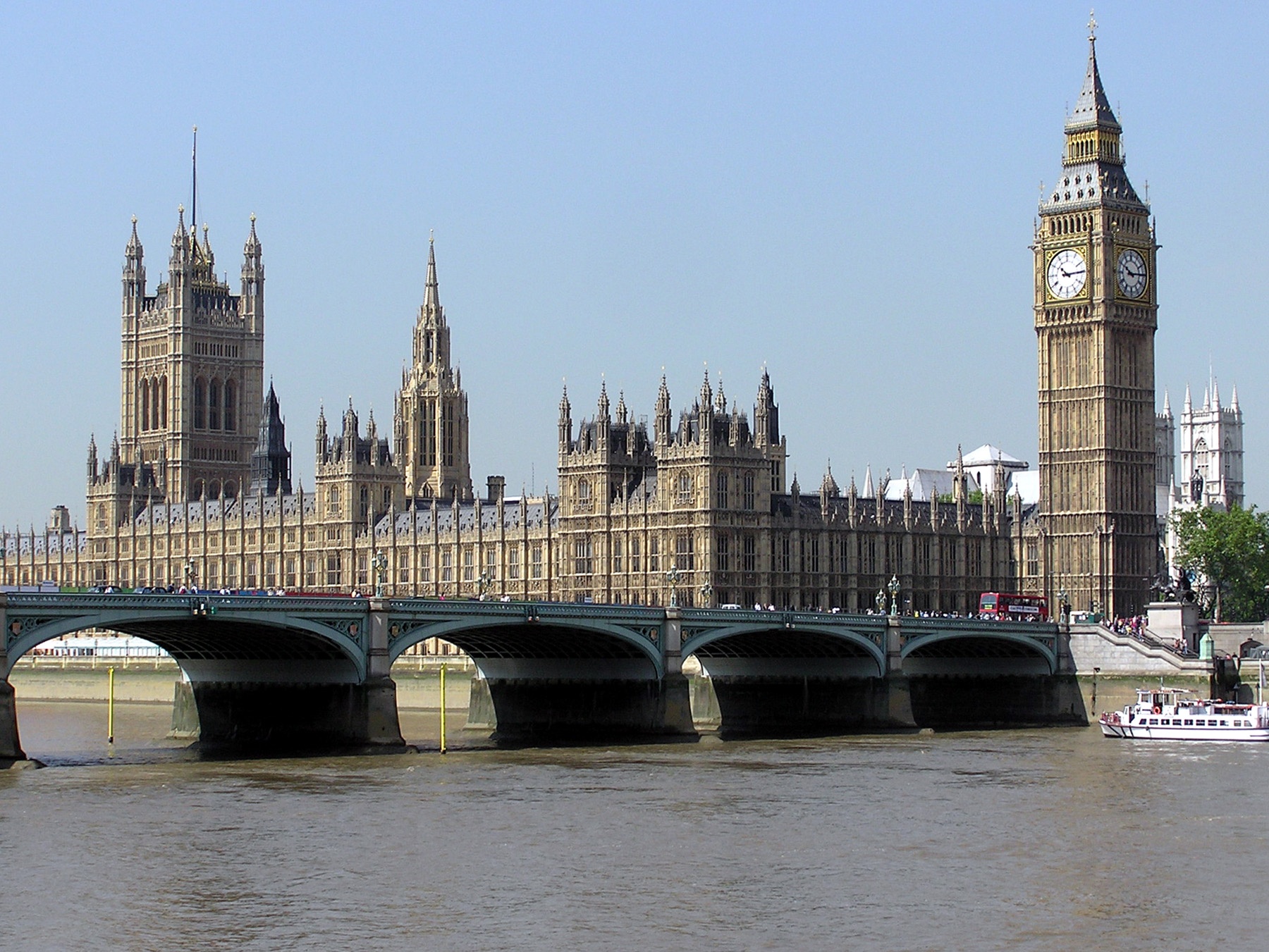
The outcome of the Trident vote will not be the last word
Parliament has today voted in favour of the government’s plans to replace the four Vanguard class submarines with Successor submarines, based upon continuous submarine patrolling. This vote may have provided the country’s new Prime Minister Theresa May a quick and immediate opportunity to demonstrate business as usual, a new government keen to get things done post Brexit.
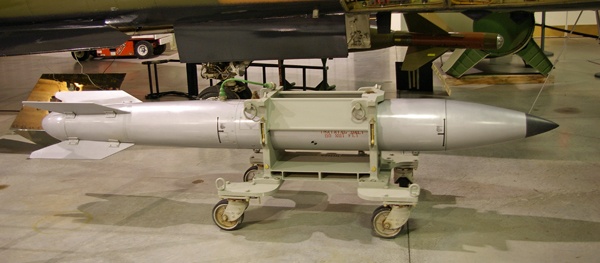
US Nuclear Weapons out of Turkey – NOW
The recent coup attempt in Turkey raises a number of highly troubling questions, not least of which regarding the ongoing security situation surrounding 50-some US B61 nuclear gravity bombs held at Incirlik Air Base.
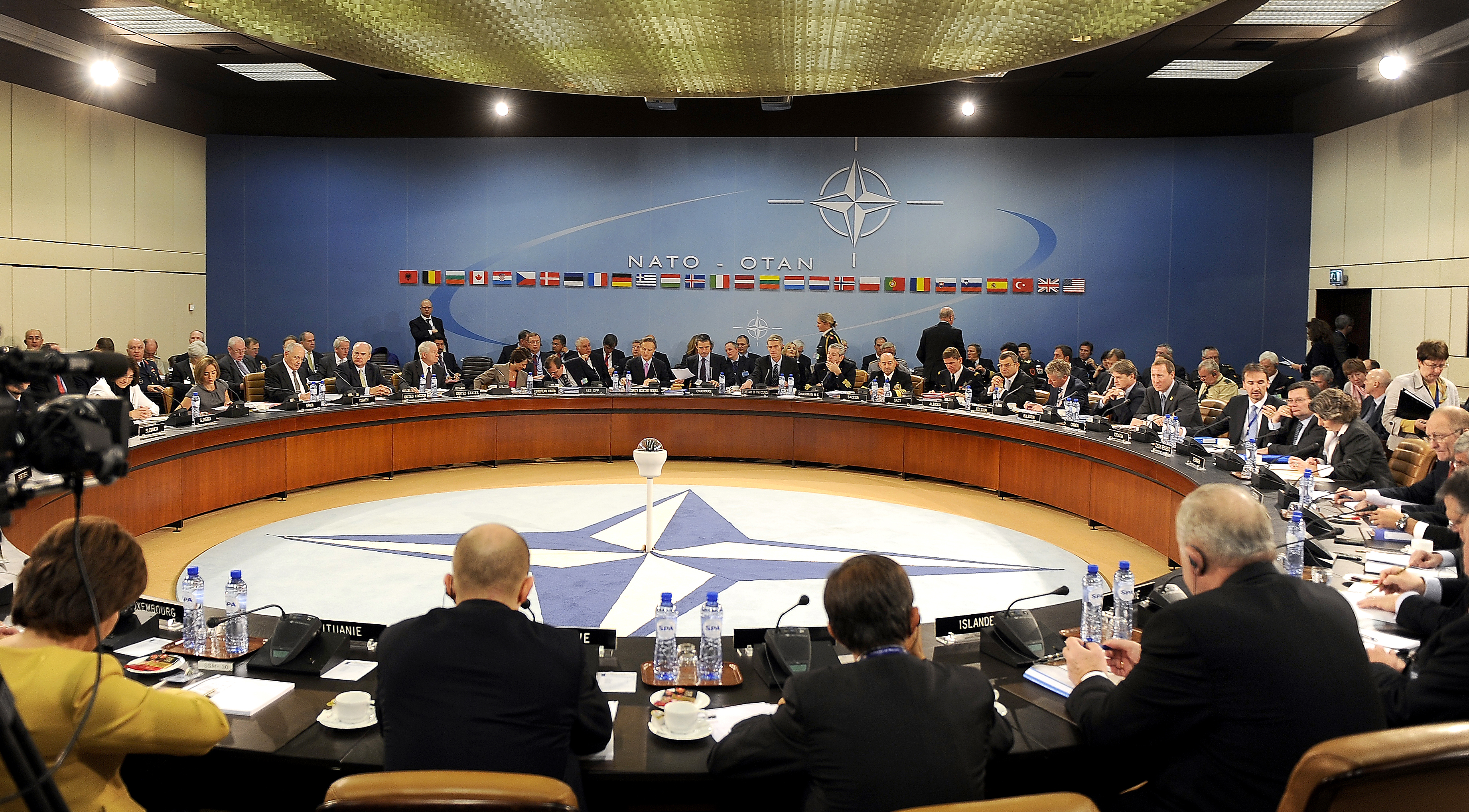
NATO’s 2016 Warsaw Summit: symbolism of a mature alliance?
When NATO heads of state and government enter the halls of the National Stadium in Warsaw for their Summit meeting on Friday, July 8th they will do so with mixed anxieties. They will review the successful implementation of their 2014 Wales Summit commitments, in particular the NATO Readiness Action Plan and the partial reversal of the trend of declining defence budgets.
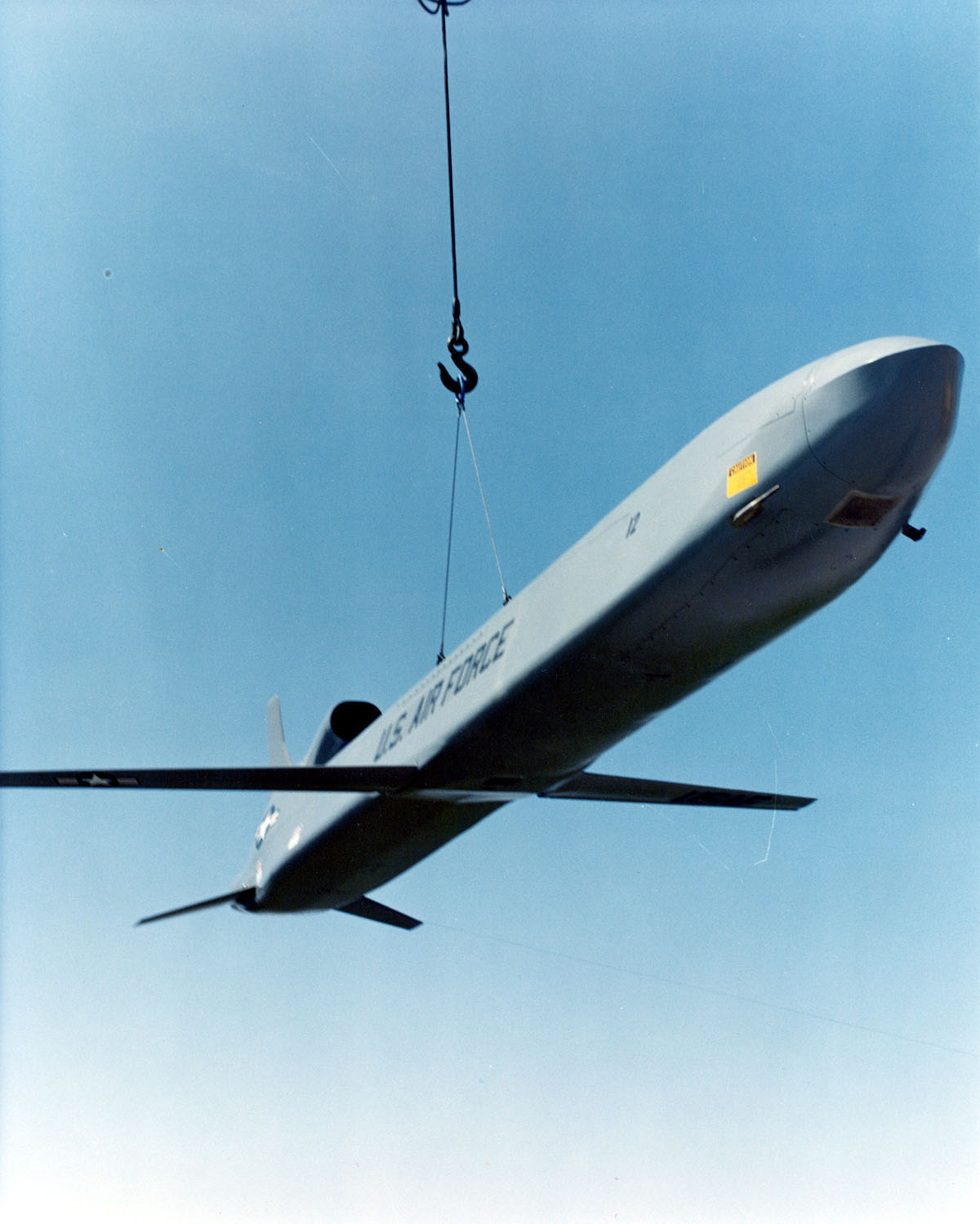
The LRSO: It’s Time for Arms Control
The Pentagon’s plans to acquire a new nuclear air-launched cruise missile (ALCM), known so far as the Long-Range Standoff Weapon (LRSO), remain live. On 16th June, the House of Representatives rejected an amendment to reduce funding for the development of the LRSO. If adopted, the cut would have slowed the development of the new weapon by three years, perhaps buying enough time to reconsider the wisdom behind the programme.
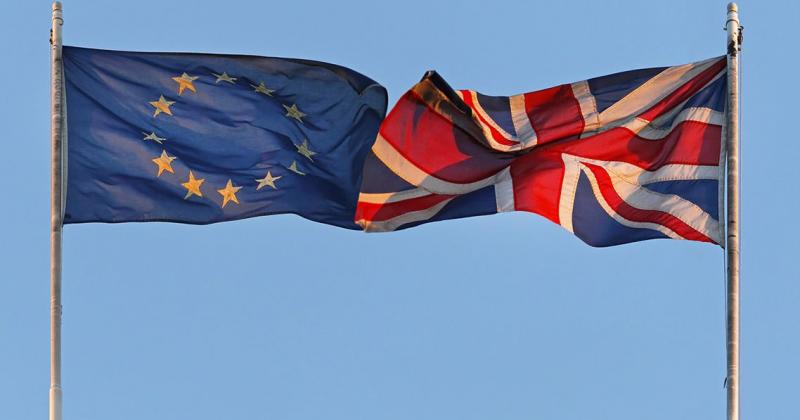
Brexit: Impact on Trident
The potential fall-out from the UK vote to leave the EU cannot be over-estimated. The political, economic and constitutional implications are deeply uncertain. The market turmoil and the plunge in the value of the pound will translate into massive financial pressures on government spending. The pressures for constitutional referenda in Scotland and Northern Ireland have just strengthened dramatically.
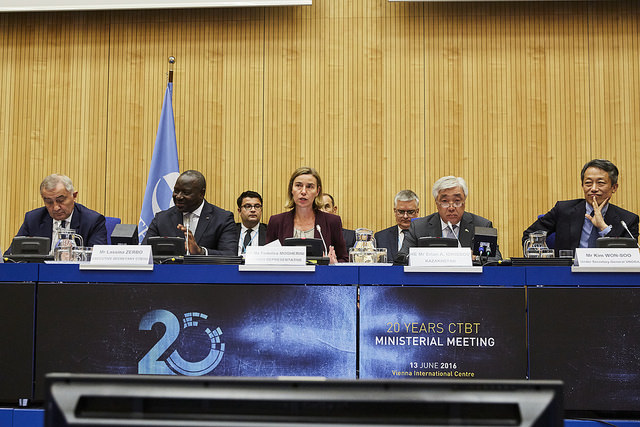
The role of the nuclear test ban as a non-proliferation and arms control instrument
The Comprehensive Nuclear-Test-Ban Treaty (CTBT) was agreed in 1996 after more than 2000 nuclear tests had left a lasting, poisonous legacy. The treaty’s negotiations had already contributed to the indefinite extension of the NPT the year before (having contributed to the failures of the 1980 and 1990 NPT Review Conferences). Confidence in arms control and disarmament was high, and nuclear arsenals were falling dramatically. Strategic relations were good. But things look very different today, with high levels of distrust and low confidence in achieving further disarmament progress.