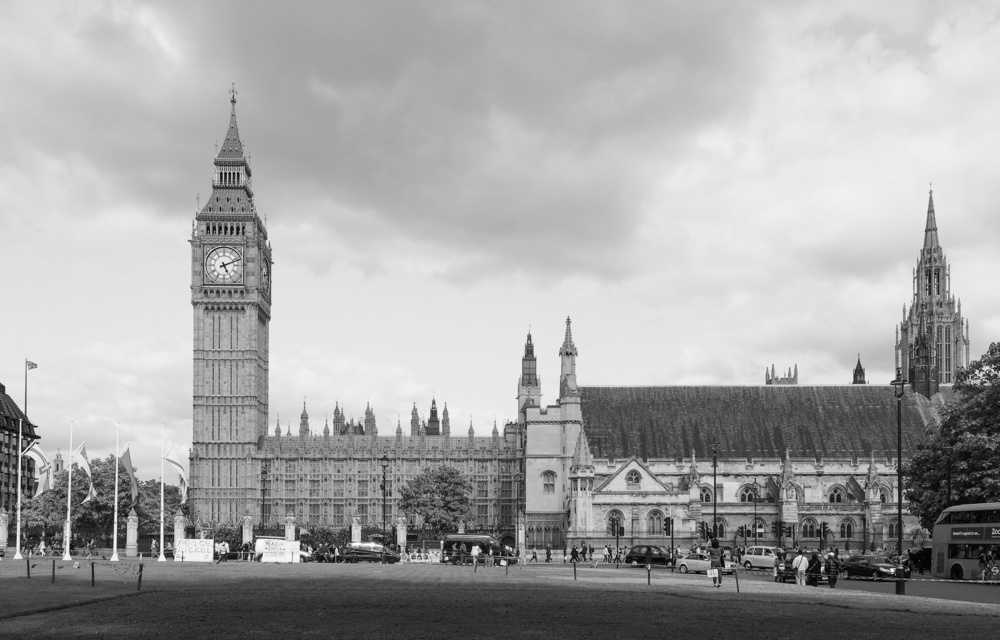
The British general election has come and gone, the UK has once again been humiliated at the Eurovision song contest, the May bank holiday is behind us, and all appears ready for another dreary summer.
Search Results for: publication
2014 Annual Activities Report
In 2014, BASIC prioritised its further engagement in building trust and dialogue amongst opinion-formers and decision shapers working in areas of nuclear deterrence, non-proliferation and disarmament.
UK Nuclear Policy Now: Questions Remain
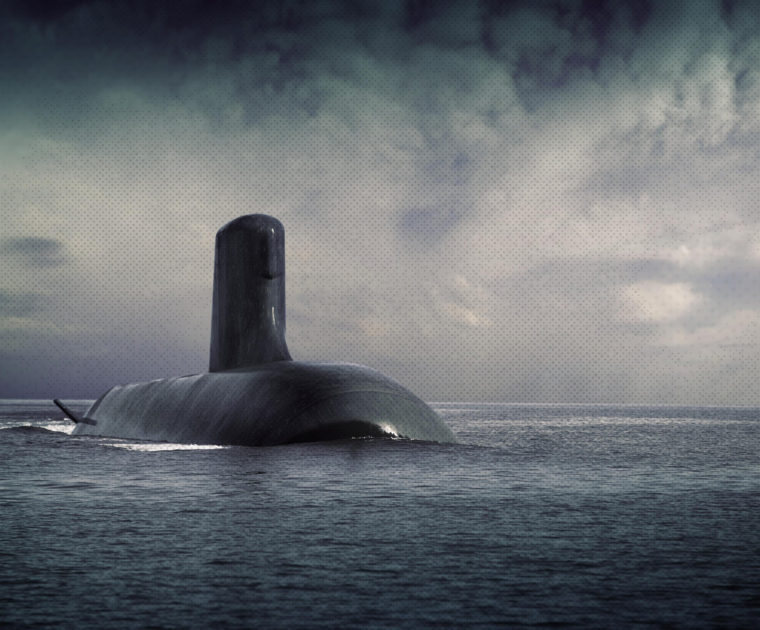
The Conservatives fought the election with a clear policy of like-for-like renewal of the Trident nuclear weapon system, and now have a majority in Parliament and fully control the government. The Labour Party also contested the election on a similar policy. If there was any doubt prior to the election that Trident renewal would go ahead, it is surely answered unequivocally now.
Multilateral Nuclear Disarmament – It Would Be a Nice Idea
The conventional wisdom among nuclear-weapons powers is that their arsenals can only be dismantled multilaterally, step-by-step—yet the associated co-ordination dilemmas keep proving insuperable.
NPT is an Election Issue: UK Member of Elite Club of Irresponsible Nations
Nuclear weapons are attracting a higher profile in this UK election debate than they have in any nuclear weapon state in a generation. Yet the focus is dominated by symbolic prejudice (does a political leader have the necessary mettle to resist minority opinions and renew Trident?) rather than strengthening national security in the round, let alone Britain's contribution to global peace and security.
The Labour Party’s manifesto and policy on nuclear weapons
With just 24 days to the polls, the public today got first sight of the Labour Party 2015 General Election manifesto titled ‘Britain can be better’
Eyes wide shut: Commons Defence Committee and UK security policy
It appears self-evident to a key Westminster committee that global insecurity requires a significant upgrade in UK military capability. Self-evident—and wrong.
A Memo to the Next Prime Minister: Options Surrounding the Replacement of Trident
The Main Gate decision on the construction of a new fleet of nuclear ballistic missile submarines at a capital cost of £20-25bn is expected early 2016. This Memo to the Prime Minster clarifies that there will in fact be a range of options available when a decision is to be made including the commissioning of four, three or two Successor submarines, further delay in the programme or a decision to begin the process of divesting the UK of its nuclear arsenal.