

Discussions about the feasibility and necessity of a legal ban on nuclear weapons took centre stage at the first session of the United Nation’s Open-Ended Working Group on taking forward multilateral nuclear disarmament.
Search Results for: publication
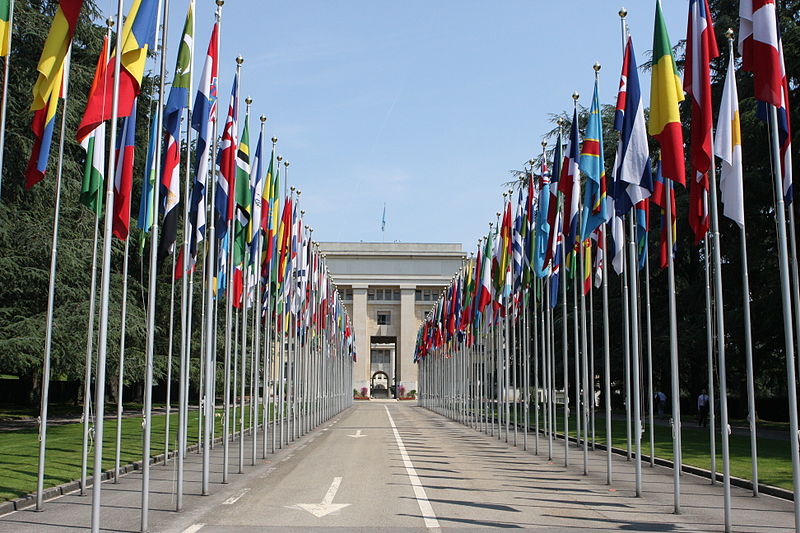
The OEWG is taking multilateral nuclear disarmament negotiations forward
The new Open-ended Working Group (OEWG), established in United Nations General Assembly Resolution 70/33 adopted in December 2015, opened on 22 February in Geneva. It will meet over the course of 15 working days in February, May and August of 2016 and submit a final report in October.
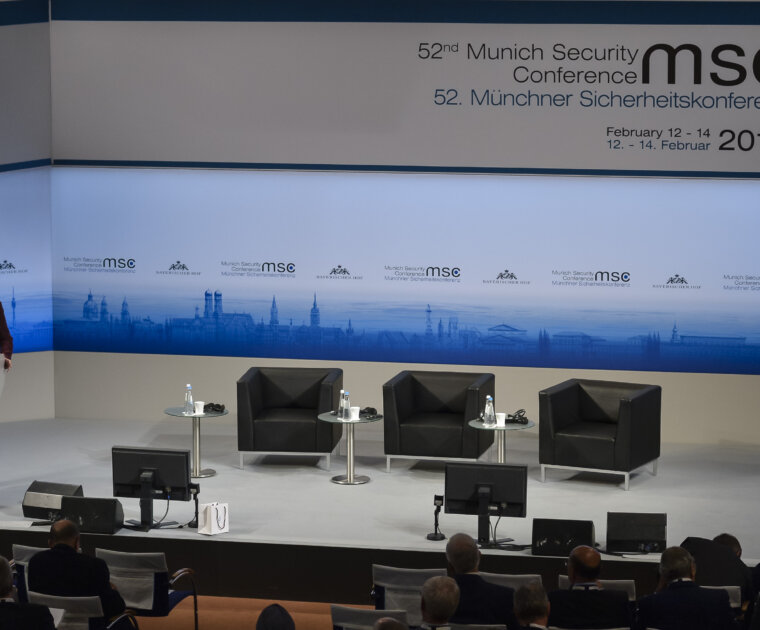
From Munich to Warsaw: NATO rethinks deterrence
The Munich Security Conference is possibly the biggest annual event in the calendar for global elites talking strategic security and stability. This year’s shindig confirmed that the myriad of challenges facing the world is as complex as ever. One issue in particular was vexing delegates: the confrontation between the West and Russia and its implications for NATO’s eastern flank.
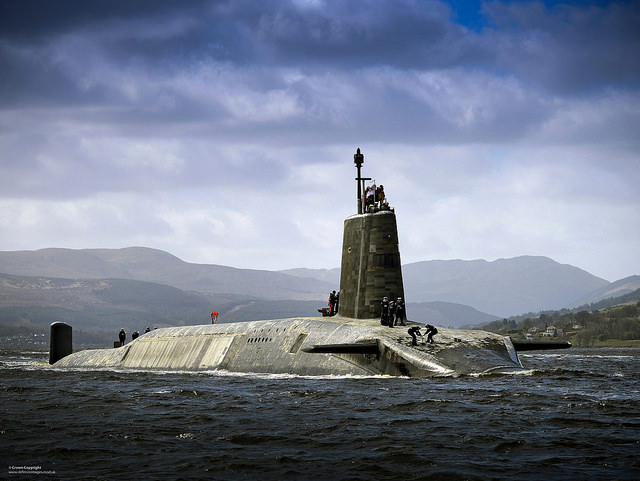
Making Sense of the Trident Debate Requires an Open Mind – In Defence of Emily Thornberry
It has always astounded me how little attention people have paid to risk and future developments when debating Trident. It's a debate that heats the passions up more than most, because it deals with such visceral things as security and morality, and acts as a proxy for political identity. All too often people revert to established positions, comfortable that they are right, even if they lose.
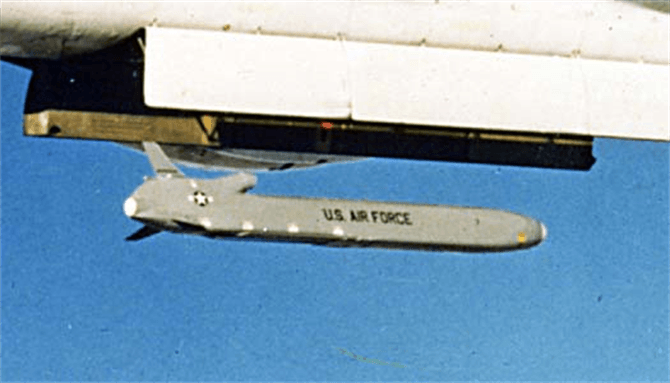
America needs the LRSO… just in case
Lord Salisbury said once that if generals were left to their own devices, they might well decide to put garrisons on the Moon to defend us from Mars. Envisioning worst-case scenarios and drawing up contingency plans for them is part of what the military does to get its job right. The problem with this professional reflex is that it often fails to assess comparative risk effectively, and in particular fully account for the risks of unintended consequences or the impacts on others. When it comes to nuclear policy and procurement decisions, the temptation for overkill is high.
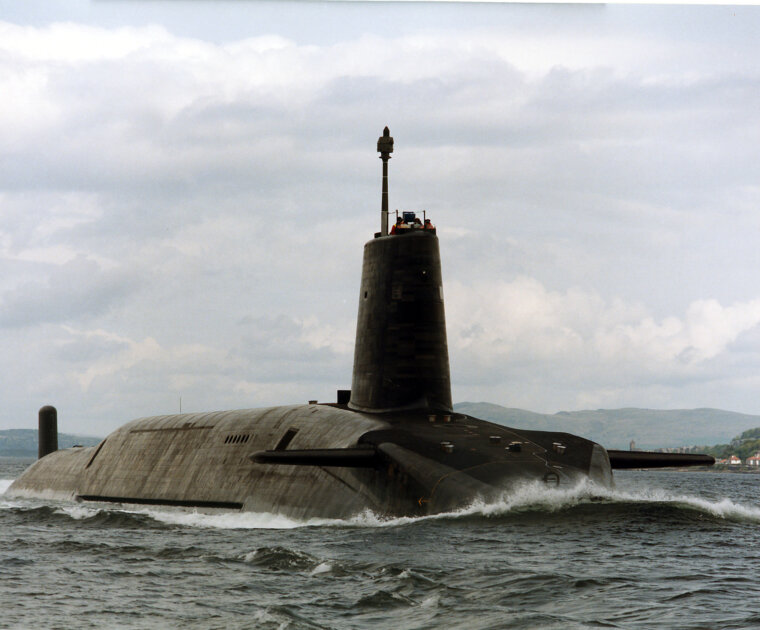
Will Trident Still Work in the Future?
Developments in anti-submarine warfare could be decisive. Emerging developments in technology that are transforming our lives and already revolutionising the battle-space in air and on land could ensure that submarines will no longer be stealthy in the foreseeable future, however silent they are. This is undeniable, and claims that these risks are minimal to Trident’s future are patently false. The judgement comes in assessing this risk and when it becomes operational, based upon the speed of technology development today, and what countermeasures that could be developed. This briefing outlines the risk and its consequences to the programme.

Reframing the Narrative on Nuclear Weapons
Innovative thinking is needed to overcome deeply entrenched attitudes and slow progress in the shared responsibility to strengthen nuclear non-proliferation measures and achieve global security through nuclear disarmament. This publication represents 14 months of investigation into how future nuclear weapons policy can become more relevant to the concerns and the security of the next generation.
Trident Commission: Evidence, Events and Publicity
Evidence Submissions
During the course of its work, the Commission will seek submissions of evidence from interested parties. Written submissions, with the permission of those submitting evidence, will be published here and organised by theme.These are the initial questions that we are seeking submissions on, and we will be adding more as the commission’s work progresses: