
Global multilateral nuclear disarmament has proven over the last 70 years to be a process characterised by stagnation, originating from a series of competing international interests.
Search Results for: publication
Moving the OEWG forward
Global multilateral nuclear disarmament has proven over the last 70 years to be a process characterised by stagnation, originating from a series of competing international interests.
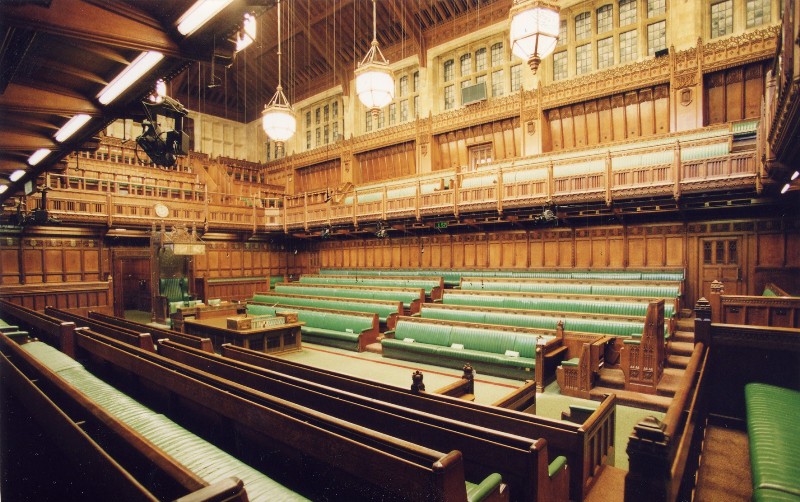
Commons Vote on Trident Imminent?
The UK Conservative government is considering pushing a rushed vote on Trident in July to divert attention from Brexit debates and exploit Labour’s internal divisions. However, such a move could be premature and politically risky. Delaying the vote could yield greater strategic benefits and allow more comprehensive debate and planning.
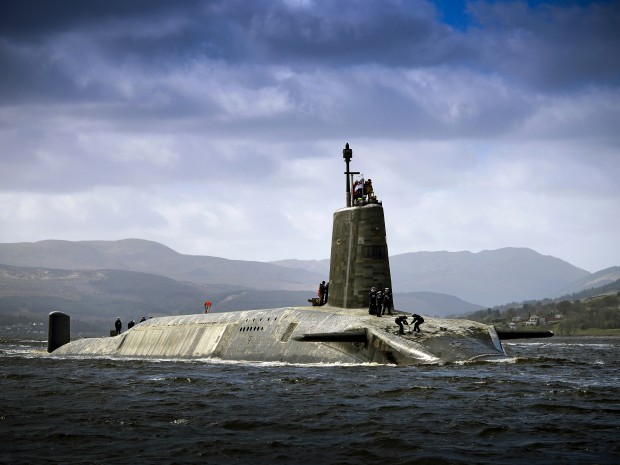
Concerning SSBN Vulnerability - recent papers
Two BASIC papers published in recent months (The Inescapable Net: Unmanned Systems in Anti-Submarine Warfare and A Primer on Trident's Cyber Vulnerabilities), have asserted the UK’s strategic nuclear deterrent is in danger of becoming vulnerable in such a way that it can no longer be relied upon to fulfil its primary role.
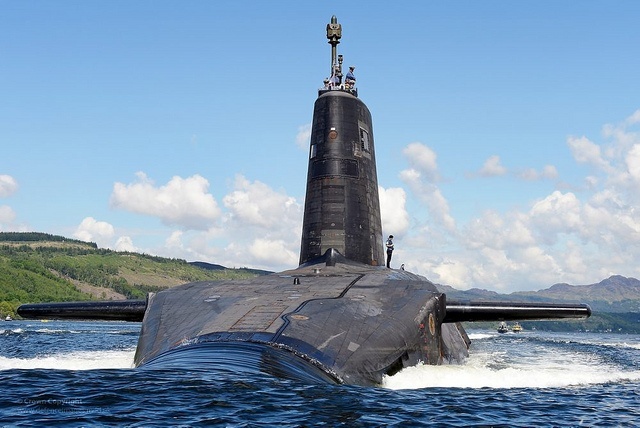
Price tag on Trident nuclear missile fleet still unknown but rising
Richard Norton-Taylor has written an article for the Guardian on April 26th about the rising costs of Trident and has cited BASIC’s input into the ongoing financial debate.
SNP MP blasts Trident ‘factsheet’ as short on facts
Andrew Learmonth from the National wrote an article outlining the criticisms of SNP MP, Kirsten Oswald, regarding a recently published factsheet by the UK Government on Trident. The article goes on to cite BASIC in outlining the projected costs of Trident renewal, and pulls quotes directly from a recent publication written by Dr. Nick Ritchie.

Understanding the New Arms Race
The stand-off between Russia and the West has prompted triggered fears of a renewed East-West. Amidst this climate of confrontation, nuclear weapons have regained some relevance for strategists on both sides, and political leaders have implied veiled nuclear threats.
Trident is Vulnerable
A debate is now raging over BASIC's exposure of the threat emerging technologies present to the future viability of Trident submarines. The Ministry of Defence (MoD) states they do not believe it is a problem, and that even if it were submarines would still be the best, most stealthy platform for nuclear missiles. The confidence implied in the MoD's public line is unjustified, and must surely cover up a deep concern held by strategists for the future viability of its most expensive weapon system.