
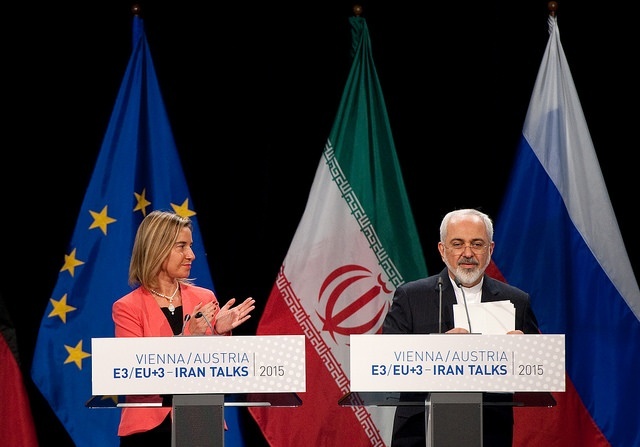
The Iran nuclear deal is seen by many as a success for international relations and security. Implementation Day (16th January) came after years of intensive negotiations. Iran has reduced activities that could have been used to develop nuclear weapon capabilities and the E3+3 has responded by lifting many of its sanctions. There remain severe doubts and enemies of the deal in the United States, Iran and neighbouring states. There are likely to be developments in the region that could put the agreement under further pressure.
Search Results for: press
North Korea’s Hydrogen Bomb Test and the Questions It Raises
North Korea announces that it has tested a hydrogen bomb. This raises three questions: Is it true? Should we be worried about it? What can we do about it?

Nuclear-free Mongolia: A Model for Northeast Asia?
For some countries, the response to grave feelings of national vulnerability has been the acquisition of nuclear weapons. Yet the global disarmament movement, and, specifically, advocates for denuclearisation in Northeast Asia have an unlikely yet powerful model of hope – Mongolia.

Reframing the Narrative on Nuclear Weapons
Innovative thinking is needed to overcome deeply entrenched attitudes and slow progress in the shared responsibility to strengthen nuclear non-proliferation measures and achieve global security through nuclear disarmament. This publication represents 14 months of investigation into how future nuclear weapons policy can become more relevant to the concerns and the security of the next generation.
Trident – Decisions Taken and Immediate Prospects
The SDSR was published last week and now we know: the in-service date for the Trident Successor submarines is to…
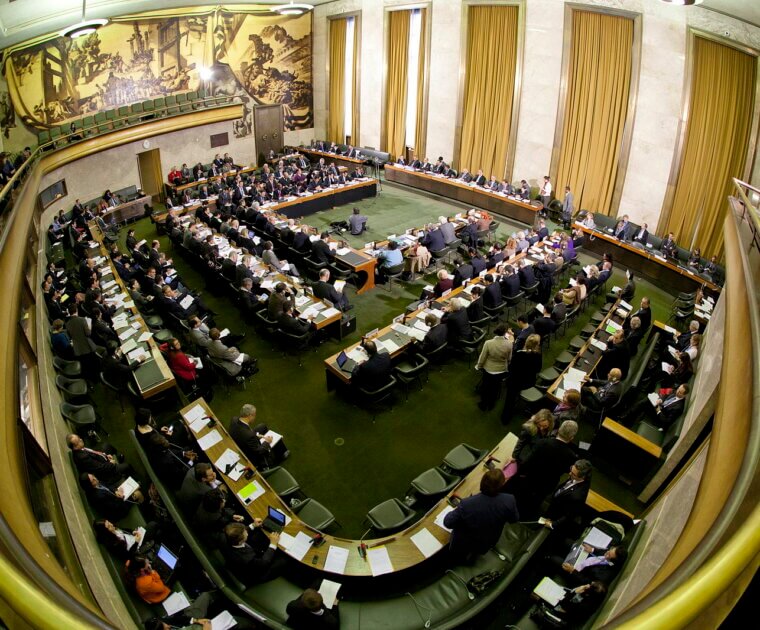
Lessons Learned from 70 Years of Nuclear Weapons
Nuclear disarmament has been the most desirable objective of global arms control policies since nuclear weapons were invented, along with general and complete disarmament. But it is also one that has generated most contention and conflict.
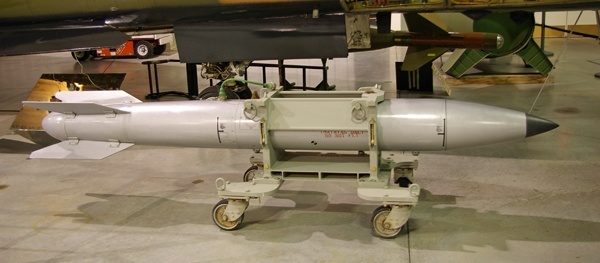
Hair Trigger Alert
Russian aircraft make intrusions into the air space of the Baltic states and skirt the air space of Britain. Russian bombers attack targets in Syria, and America is advised to keep its aircraft out of the way. Russia may have designs on the Baltic States, and is certainly playing a role in Syria. Possibilities arise of a clash that could lead to escalation.
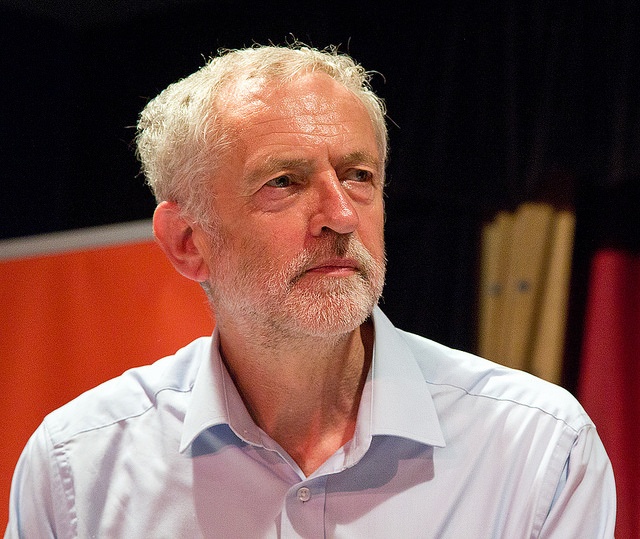
Labour and Trident Now
This week's non-debate of Trident at the Labour Party conference is now an opportunity to reframe the issue and set the UK on a more stable path towards a non-nuclear future. But it will take collaboration between people on different sides of the current divide.