
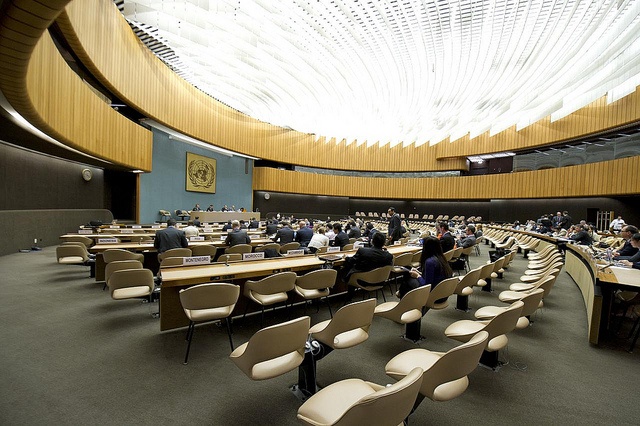
Global multilateral nuclear disarmament has proven over the last 70 years to be a process characterised by stagnation, originating from a series of competing international interests.
Search Results for: press
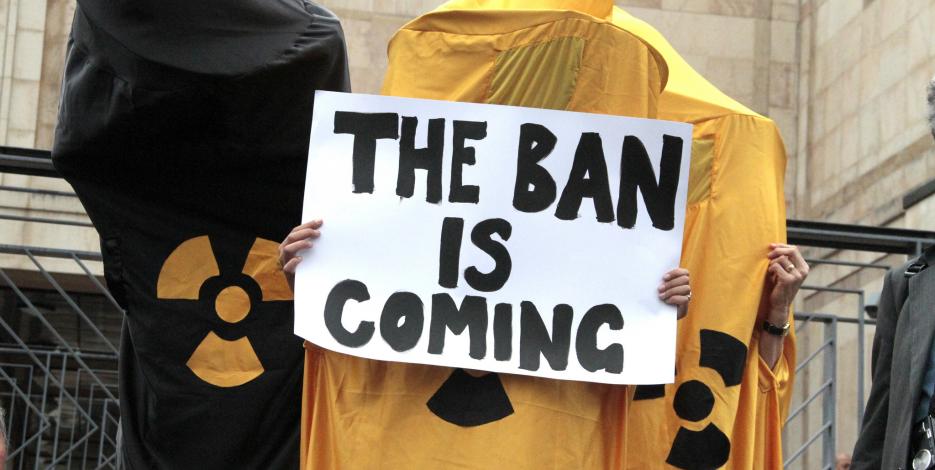
Report: Beyond the Ban: The humanitarian initiative of nuclear disarmament and advocacy of no-first-use nuclear doctrines
Deep dissatisfaction with the lack of progress in multilateral nuclear disarmament has led a large number of states within the international community to participate in a process to highlight the humanitarian impacts of nuclear weapons.

Celebrating Alyson Bailes
Our former colleague and friend Alyson Bailes died on Friday 29th April, after an extended fight against cancer over the last decade.
Feeding the ‘Monster’: Escalating Capital Costs for the Trident Successor Programme
In October 2015 Jon Thomson, Permanent Under Secretary at the Ministry of Defence, described the Trident Successor programme as a “monster” that kept him up at night, “the biggest project the Ministry of Defence will ever take on” and “an incredibly complicated area in which to try to estimate future costs.”

The 2016 Nuclear Security Summit Returns to Washington
In his 2009 speech in Prague, President Obama described the threat of terrorists acquiring nuclear weapons as the “most immediate and extreme threat to global security”. Setting the bar high, he also announced the start of a global summit process that would focus on the security of nuclear materials from the threat of theft and terrorism in and work “to secure all vulnerable nuclear material around the world within four years”.
International Cooperation over North Korea: Possibilities and Limitations for Russia
North Korea’s fourth nuclear test followed by an orbital rocket launch has presented the Russian Federation with another opportunity to find common ground with other global powers and demonstrate leadership in international affairs.
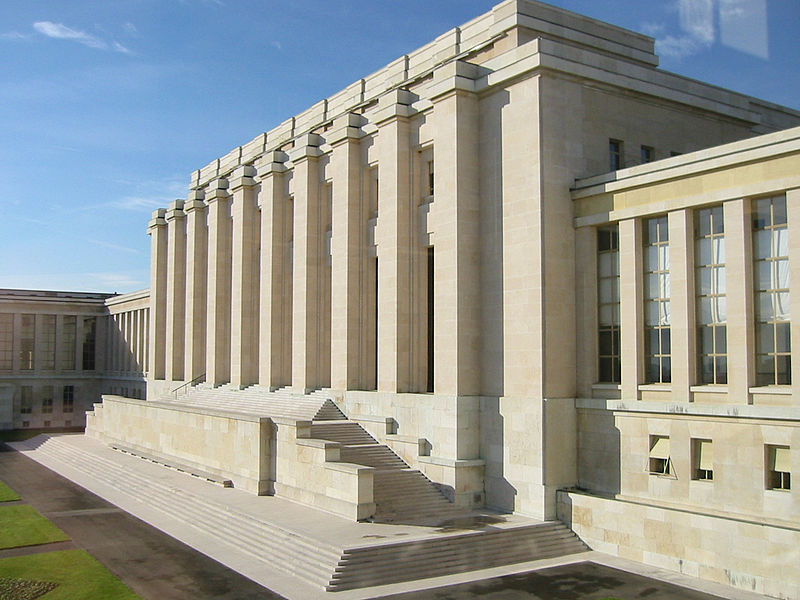
2016 OEWG: Polarisation in Perspective
Discussions about the feasibility and necessity of a legal ban on nuclear weapons took centre stage at the first session of the United Nation’s Open-Ended Working Group on taking forward multilateral nuclear disarmament.
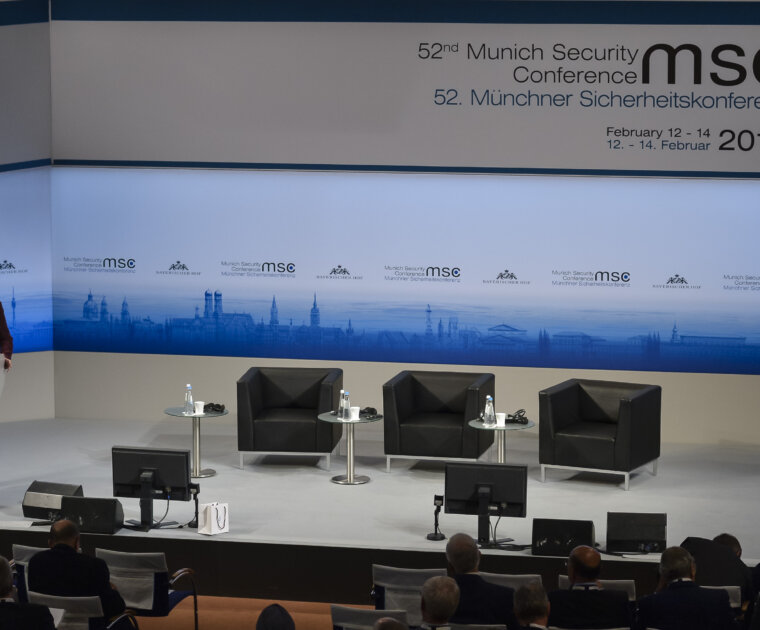
From Munich to Warsaw: NATO rethinks deterrence
The Munich Security Conference is possibly the biggest annual event in the calendar for global elites talking strategic security and stability. This year’s shindig confirmed that the myriad of challenges facing the world is as complex as ever. One issue in particular was vexing delegates: the confrontation between the West and Russia and its implications for NATO’s eastern flank.