

Space-based weapons programmes are developing faster than the treaties meant to govern them. When capabilities and intentions remain opaque, how can states build enough shared understanding to stop a crisis in orbit from escalating? BASIC’s latest Non-Proliferation and Disarmament Brief, “Risk Reduction in Outer Space: A proposal for Confidence-Building Measures”, by guest contributor Syeda Saba Batool, sets out a practical answer.
Search Results for: press
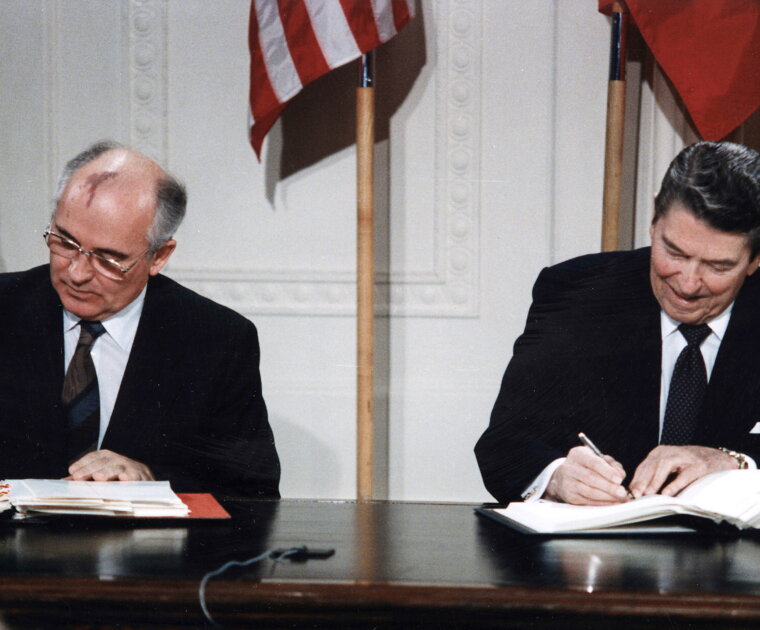
Why We Need Another Reykjavík Moment
In the latest piece in our 40th anniversary series, Nicholas Wheeler, Non-Resident Senior Fellow and Professor of International Relations at the University of Birmingham argues that judging the 1986 Reykjavík Summit by its failure to produce a deal misses its lasting achievement.

No More “Black Saturdays”: Learning the Right Lessons from the Cuban Missile Crisis
In a new piece for BASIC, Non-Resident Senior Fellow Professor Nicholas J. Wheeler and Syed Ali Zia Jaffery, Deputy Director of the Center for Security, Strategy and Policy Research at the University of Lahore, warn that today’s nuclear rivals may be losing sight of the fact that preventing nuclear catastrophe hinges on cooperation rather than brinkmanship. India and Pakistan both claim success in their May 2025 crisis, risking a higher baseline of escalation, while Russia and NATO may be misjudging their ability to control escalation.

Rethinking Escalation in South Asia
This article is based on BASIC’s latest report, Addressing Future Nuclear Crisis Scenarios in South Asia through a Responsibility-Based Approach, and subsequent report launch event co-hosted by Center for Security, Strategy and Policy Research (CSSPR) at the University of Lahore and BASIC’s Responsibilities and Global Governance Programme.
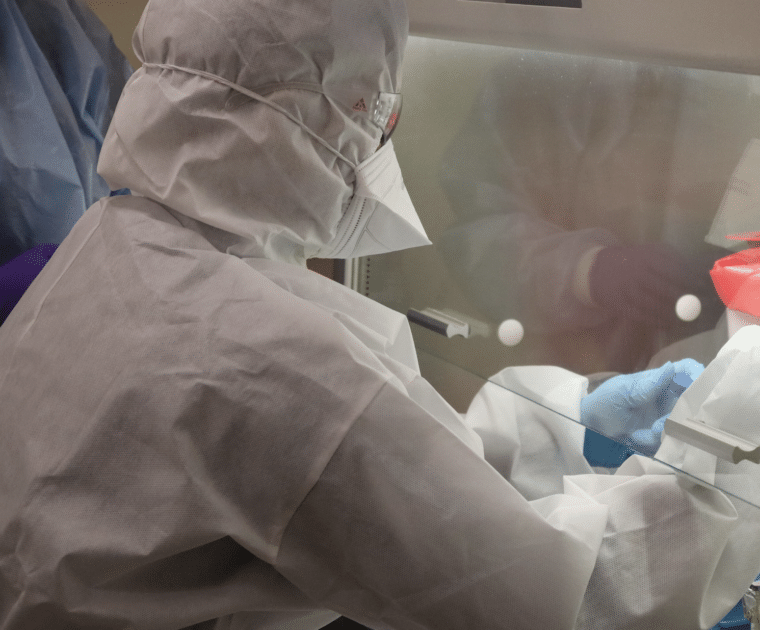
Reported, Denied, and Suspected: Implications of a Case of Possible Laboratory-Acquired Plague Infection in the Russian Federation
BASIC’s latest Non-Proliferation and Disarmament Brief, “Reported, Denied, and Suspected”, by guest contributor Péter Marton, examines the recent death of a worker at Russia’s Irkutsk Anti-Plague Research Institute and what the official response means for global biosecurity.

US-Saudi Nuclear Deal: Atoms, Alliances and Ambiguity
In the third publication in our series, Non-Proliferation and Disarmament Briefs (NPD Briefs), guest contributor Shaza Arif unpacks the long term implications of the proposed US-Saudi nuclear deal.

Video: BASIC Report Launch: Addressing Future Nuclear Crisis Scenarios in South Asia through a Responsibility-Based Approach
On 20 August 2026, BASIC’s Responsibilities and Global Governance Programme (RGG) and the Center for Security, Strategy and Policy Research (CSSPR) co-hosted a live webinar on BASIC’s latest report: Addressing Future Nuclear Crisis Scenarios in South Asia through a Responsibility-Based Approach.

News: BASIC Launches NPT Monitor to Spur Transparency Around States’ Nuclear Commitments
BASIC is pleased to announce the launch of the Nuclear Non-Proliferation Treaty (NPT) Monitor, a free web tool to enhance and simplify the monitoring of countries’ progress on the landmark 1970 treaty. It provides clear, evidence-based information on how states are implementing the 2010 NPT Action Plan, tracking progress across the NPT’s three pillars: disarmament, non-proliferation, and peaceful uses of nuclear science and technologies.