
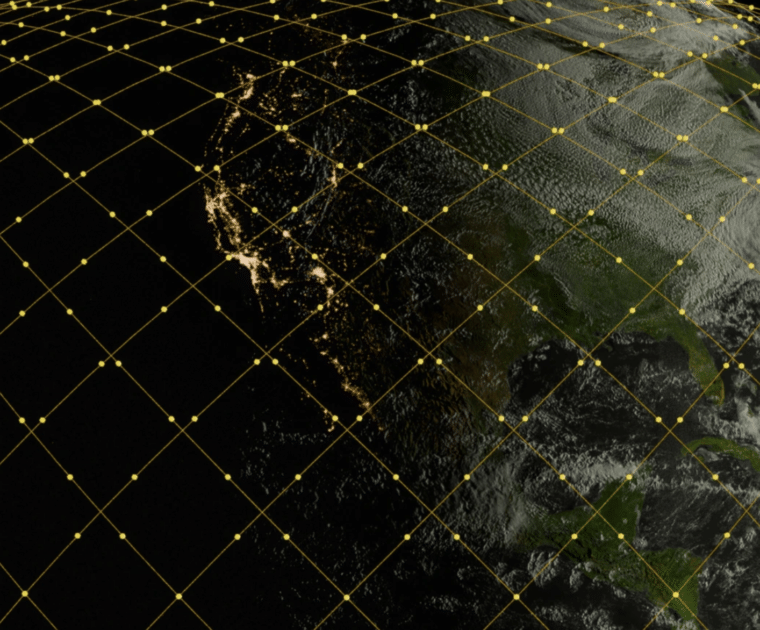
In our series marking the 40th anniversary of the historic Reykjavík Summit, Policy Fellows Dr Matthew Hartwell and Ching Wei Sooi explain that nuclear and space risks are now deeply intertwined, yet still tackled separately. That blind spot is stifling the diplomacy and dialogue needed to keep today’s rivalries stable.
Responsibilities and Global Governance
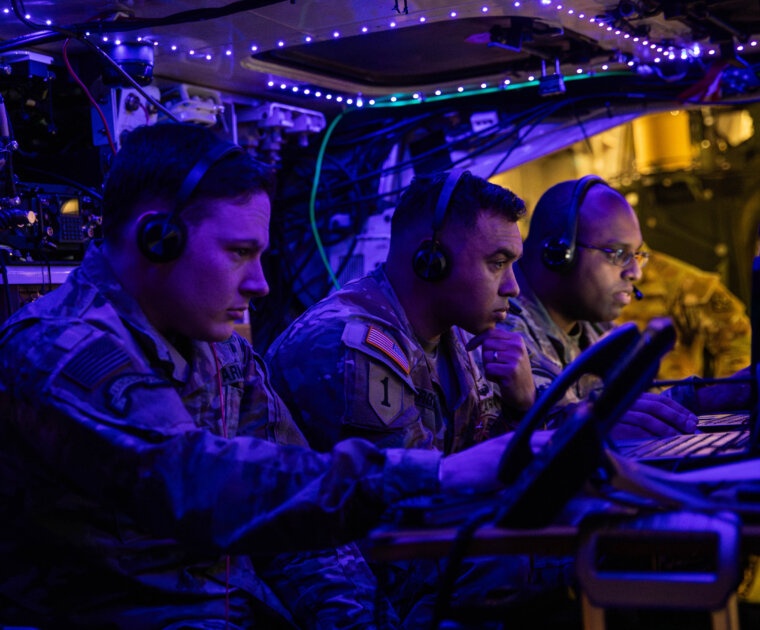
Report: Governing Military AI: Designing Meaningful Human Control in AI-Enabled Decision-Making
As states expand their use of AI in military decision-making, is being “looped in” enough to ensure that a human can exercise proper judgement and control? Drawing on 32 semi-structured interviews with stakeholders across 14 countries, this report argues for a context-sensitive and risk-proportionate approach to Human-Machine Interaction (HMI).

Video: BASIC Report Launch: Addressing Future Nuclear Crisis Scenarios in South Asia through a Responsibility-Based Approach
On 20 August 2026, BASIC’s Responsibilities and Global Governance Programme (RGG) and the Center for Security, Strategy and Policy Research (CSSPR) co-hosted a live webinar on BASIC’s latest report: Addressing Future Nuclear Crisis Scenarios in South Asia through a Responsibility-Based Approach.

Escalation and Restraint: Revisiting the May 2025 Conflict
In the latest series of articles reflecting on the anniversary of the May 2025 India-Pakistan crisis, Shaza Arif explores how the crisis highlights the dangerous stability-instability paradox in South Asia, where nuclear deterrence prevents full scale war but simultaneously enables recurring limited conventional clashes, escalating the risks of miscalculation, arms races, and uncontrolled escalation under the nuclear shadow.

Report: Addressing Future Nuclear Crisis Scenarios in South Asia through a Responsibility-Based Approach
This report is a product of two Track 2/1.5 dialogues involving two crisis simulations that were facilitated by BASIC’s Responsibilities and Global Governance Programme with participants from Indian and Pakistani nuclear policy communities in Bahrain in February 2026.

Reimagining the Perils of Brinkmanship in South Asia
In the latest series of articles reflecting on the anniversary of the May 2025 India-Pakistan crisis, Syed Ali Zia Jaffery examines how misperceptions, weak crisis-management mechanisms, emerging technologies, and geographical proximity could make future India-Pakistan crises dangerously prone to nuclear brinkmanship.
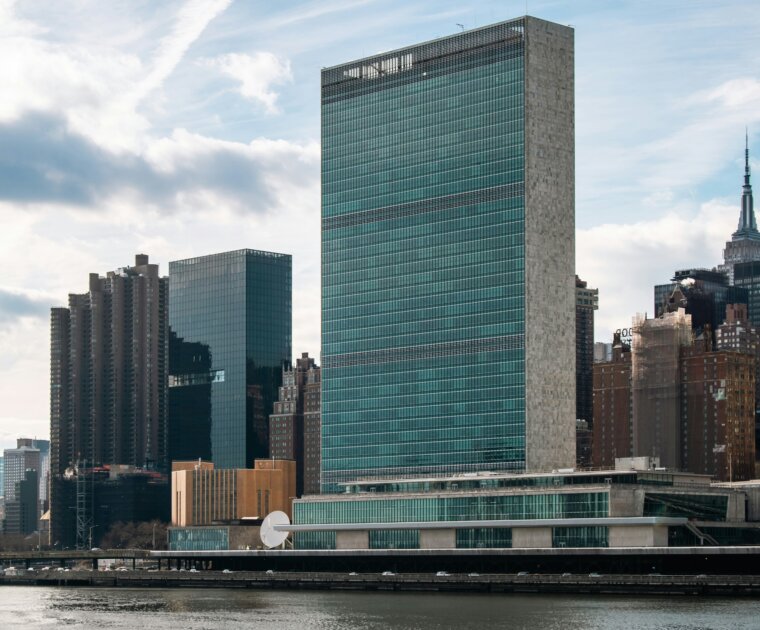
Working Paper: Strengthening Dialogue in the Non-Proliferation Treaty: the Nuclear Responsibilities Approach
The Centre for Policy, Conflict and Co-operation (CPCCR) at the University of Stirling and BASIC have submitted a working paper, authored by Dr Megan Dee, “Strengthening dialogue in the Non-Proliferation Treaty: the nuclear responsibilities approach”, to the 2026 Review Conference of the Parties to the Treaty on the Non-Proliferation of Nuclear Weapons.

NukeChat Episode 6: How to Talk Nuclear Responsibilities in a Third Nuclear Age
In the final NukeChat episode, Dr Megan Dee and Dr David Chambers discuss the different framings and approaches that can be used – and avoided – by States when talking nuclear responsibilities in an NPT framework, as well as the merits of using a nuclear responsibilities approach to strengthen dialogue and contribute to transparency, confidence-building, and risk reduction efforts.