
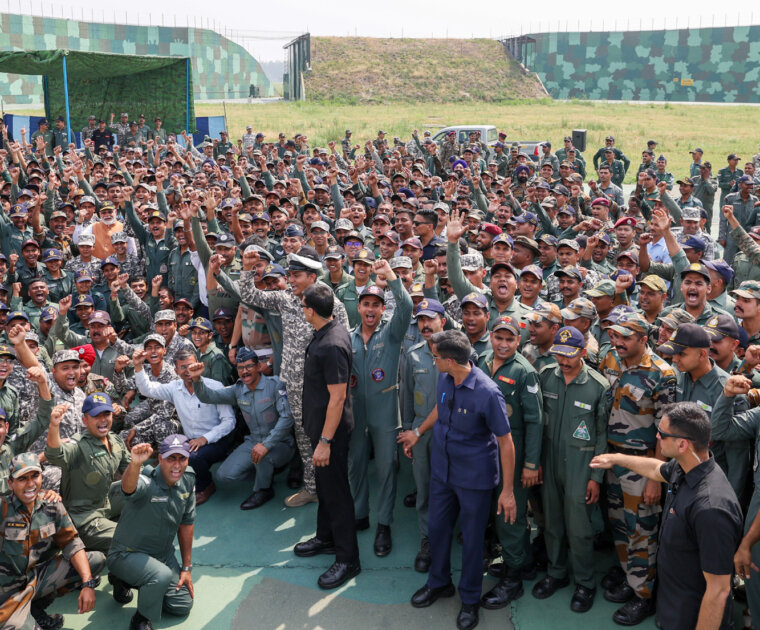
In this article, originally published in The Diplomat, Dr Chiara Cervasio and Professor Nicholas J. Wheeler analyse the Pahalgam crisis from a historical perspective, tracing how India and Pakistan have navigated past moments of acute nuclear danger.
Search Results for: news
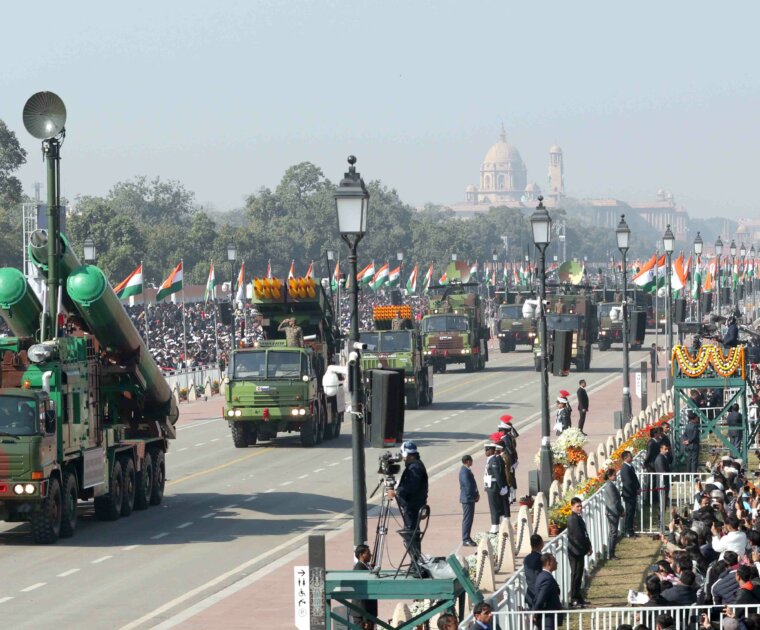
Operation Sindoor establishes India’s New Response Doctrine towards Pakistan
Retired Indian army Brigadier Dr Arun Sahgal and PhD Candidate Ambuj Sahu argue that its response to tensions with Pakistan was a unique use of technology-driven kinetic activity using missiles and drones in the subcontinent’s first non-contact war.
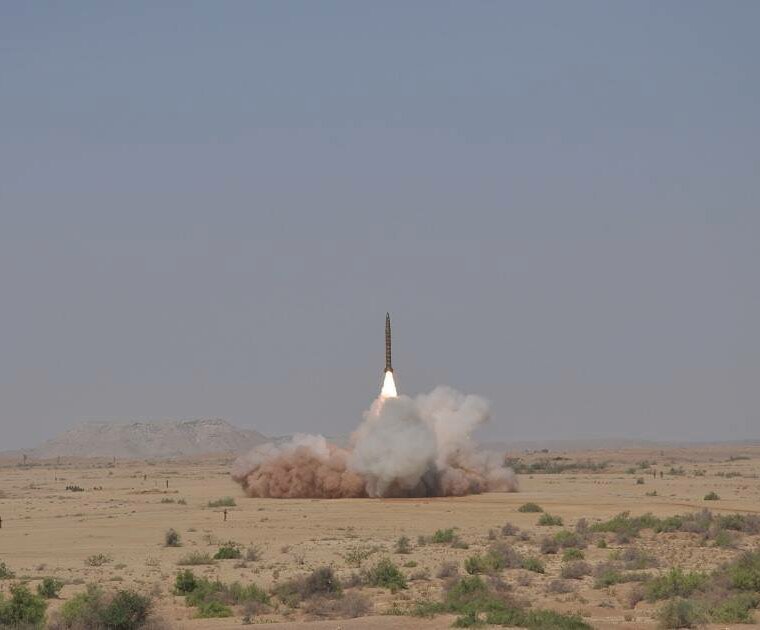
No Space for War: Marka-e-Haq and the Logic of Deterrence in South Asia
Dr Zahir Kazmi, Arms Control Advisor at Pakistan’s Strategic Plans Division argues that recent tensions between Islamabad and Delhi have tested the resilience of nuclear deterrence in South Asia to the limit.
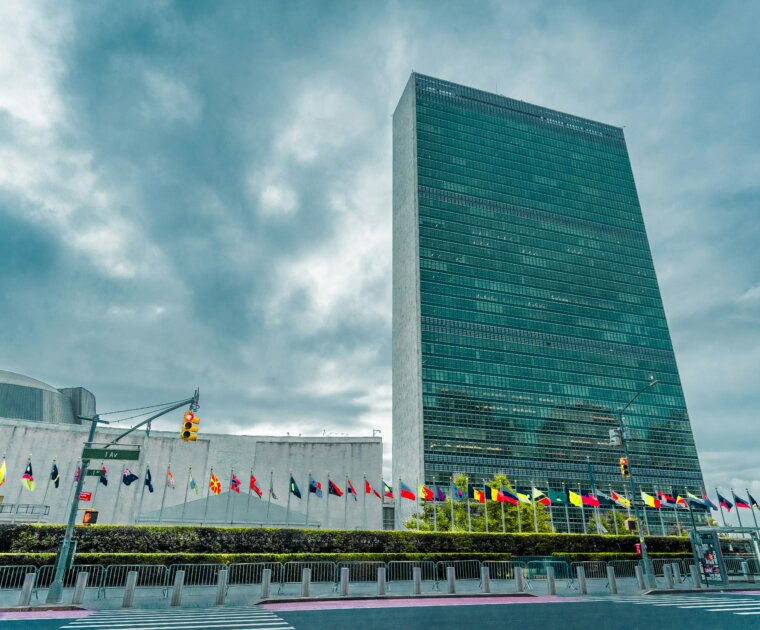
Minilateralism and the Third Nuclear Age: In Pursuit of Dialogue
Megan Dee explores a third nuclear age in which distrust, deadlock and disorder impinge multilateral mechanisms for dialogue and deliberation. Ahead of the 2025 Nuclear Non-Proliferation Treaty (NPT) Preparatory Committee in New York (27 April-10 May), this piece considers how minilateralism can sustain dialogue and revive multilateralism in this space.

The India-Pakistan Pulwama-Balakot Crisis Six Years On
Six years ago this month, India and Pakistan were emerging out of a deep crisis…
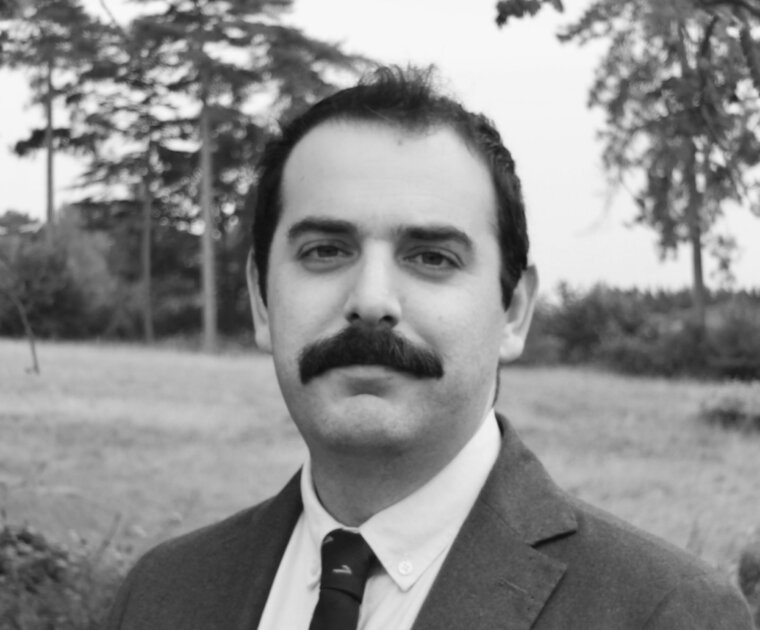
Manuel Herrera Almela
Dr Manuel Herrera is a Senior Policy Fellow at BASIC and Programme Manager of the Non-Proliferation and Disarmament Programme.
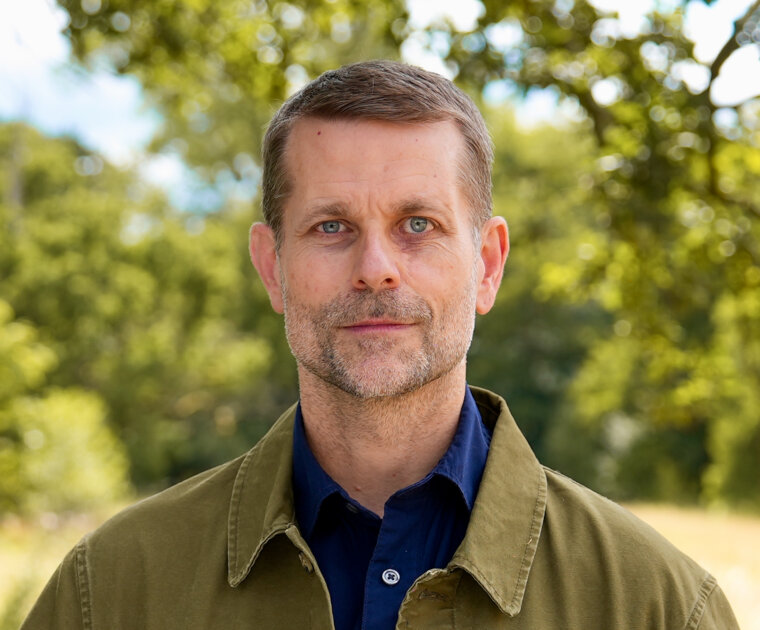
Lyndon Burford
Dr Lyndon Burford is a Policy Fellow at BASIC and Project Manager of the Nuclear Transparency Index.
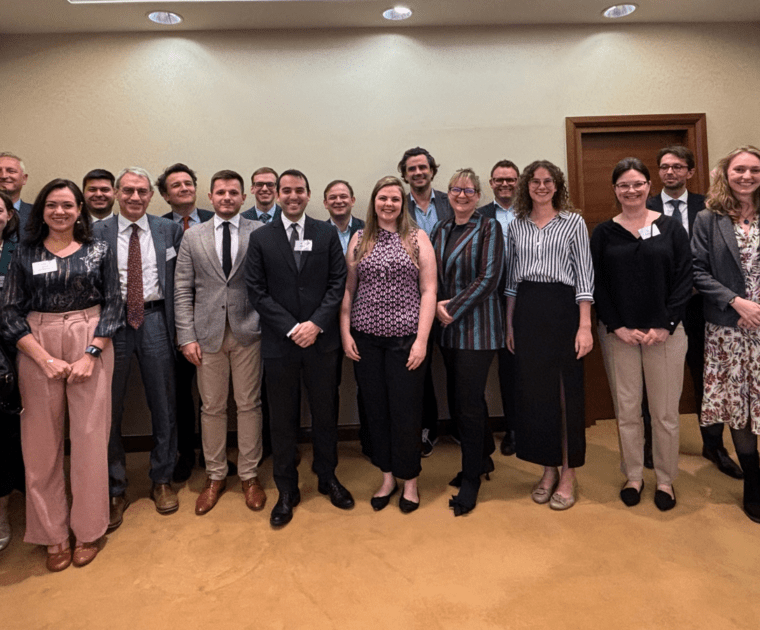
Event Review: ‘Shaping a Sustainable Security Architecture for Europe’ in Warsaw
On September 19, BASIC’s Risk Reduction Programme hosted a workshop entitled ‘Shaping a Sustainable Security Architecture for Europe’ in Warsaw.