Iranian and Israeli peace activists argue that dialogue is the most effective way of reducing tensions between the two countries. The views expressed belong solely to the authors of the article and do not reflect their government’s position, any affiliated institutions, or that of BASIC.
The 12-day war between Israel and Iran has ended—for now—but its consequences continue to reverberate across the region and the world. While the ceasefire may be holding, this fragile pause cannot obscure the deeper rupture: a deliberate attack on diplomacy, a weakening of the global non-proliferation regime, and a dangerous shift toward a new era of militarised insecurity. In this moment of uncertainty, we must confront three questions: why this war happened, what it changed, and what must be done to prevent a far greater catastrophe.
Despite dramatic headlines, Israel’s decision to strike Iran was not driven by an imminent existential threat. Despite dramatic headlines, Israel’s decision to strike Iran was not driven by an imminent existential threat. A recent report on Al-Jazeera said that Intelligence assessments from Israel, the US and international agencies indicated that Iran had not made the decision to build nuclear weapons. The reasons for this were diplomatic: the US and Iran were on the verge of resuming nuclear negotiations. A breakthrough was within reach. For Prime Minister Benjamin Netanyahu, that prospect was not consistent with a political career built on the perpetual Iranian threat.
“With Hamas weakened, Hezbollah degraded, and former President Assad’s regime in Syria toppled, Israel now faces no serious regional adversary capable of threatening its survival.”
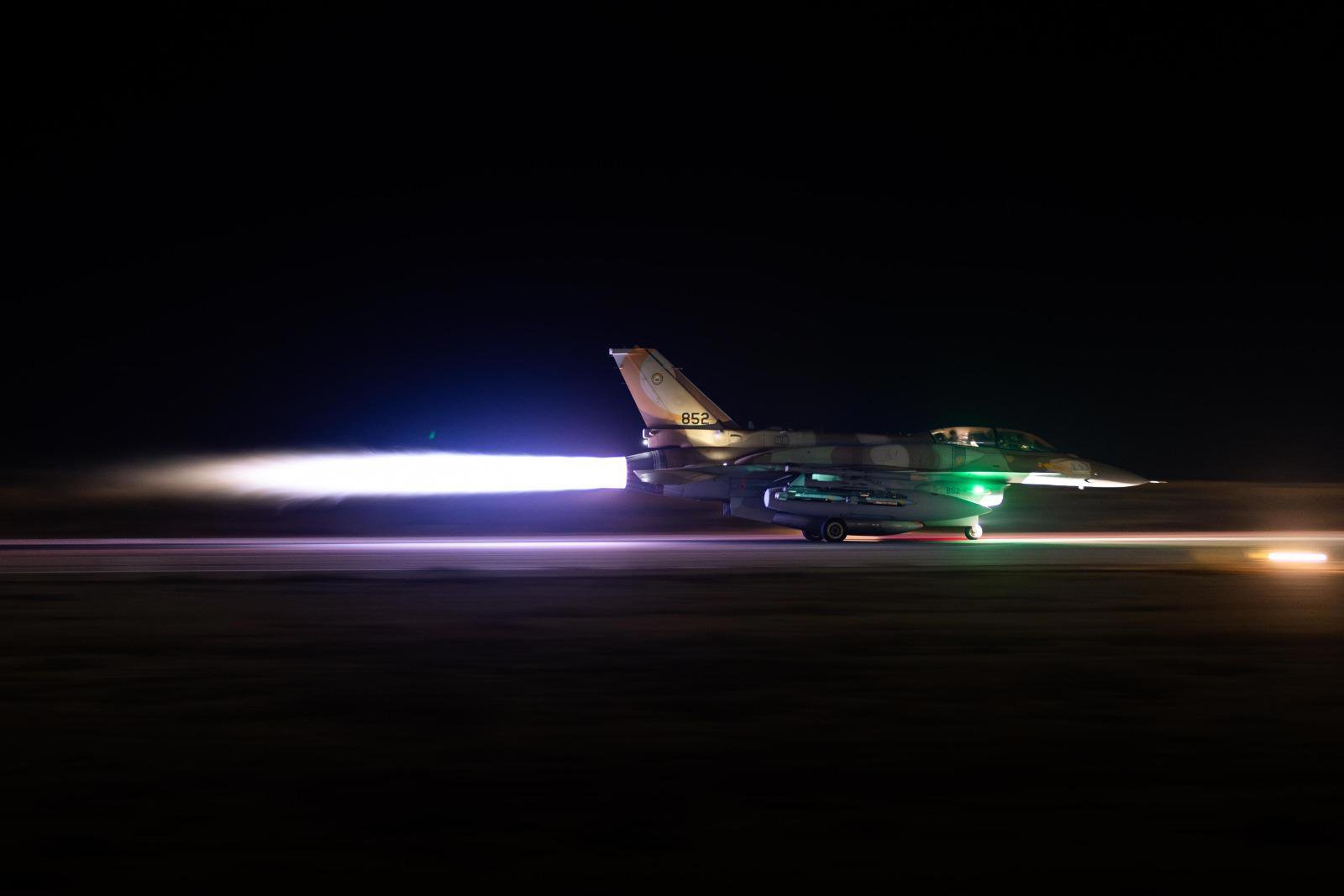
The war served multiple purposes for Mr Netanyahu. First, it derailed US-Iran talks at a critical moment. The Israeli prime minister has long feared that rapprochement between Washington and Tehran would diminish Israel’s regional leverage and influence over US policy. Second, it distracted from mounting domestic turmoil: his failure to resolve the Gaza crisis, rising international condemnation over tens of thousands of Palestinian deaths, and ongoing corruption trials. Third, he succeeded in dragging the US into a war Israel could not sustain alone. President Trump took the bait, authorizing B-2 bombers and submarine-launched cruise missiles to strike Iran’s nuclear sites at Fordow, Natanz, and Isfahan. Mr Trump declared it a “spectacular military success”. Iran, by contrast, called it a grave breach of international law and retaliated by targeting a US base in Qatar. A fragile ceasefire followed.
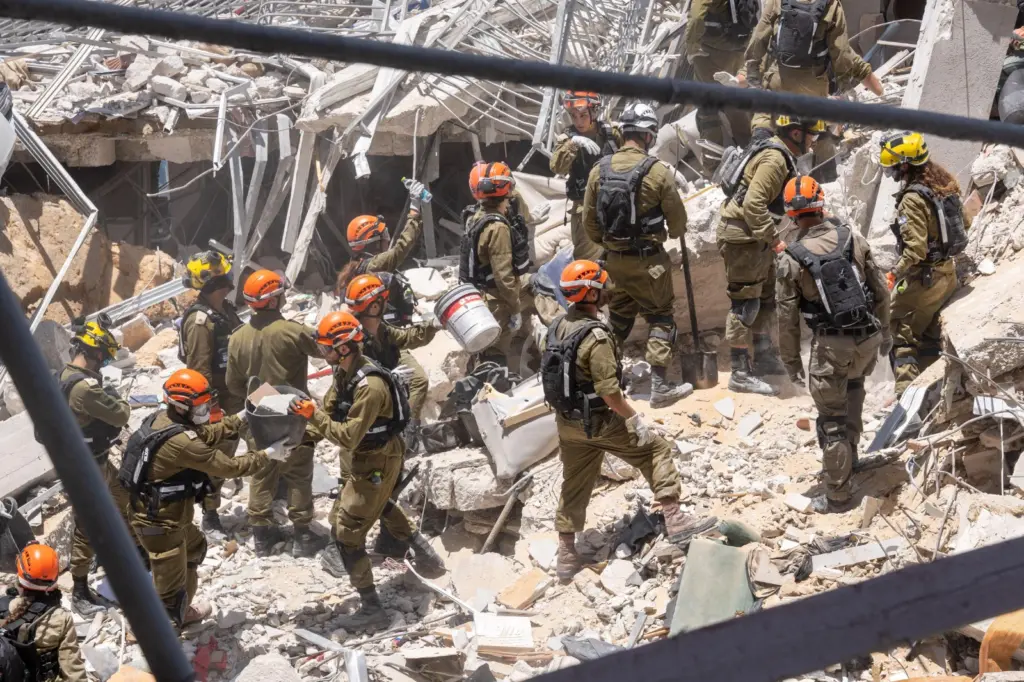
In the short term, Mr Netanyahu got what he wanted. But the long-term fallout may be disastrous. Israel’s missile defence systems were pierced by direct attacks on military and civilian targets. Hundreds of thousands of Israelis took shelter as the illusion of invincibility cracked. Public confidence was shaken. Iran suffered immense losses: with more than 1,000 dead, including senior Revolutionary Guard figures and nuclear scientists, with major nuclear and military infrastructure damaged. Yet the strikes may have unified rather than divided Iranian society. Even government critics rallied in response to what was widely seen as an act of aggression.
The longer-term consequences include the discrediting of diplomacy. In 2015, Iran signed the Joint Comprehensive Plan of Action (JCPOA), accepted the most intrusive nuclear inspections in history, and was found in full compliance by the International Atomic Energy Agency (IAEA) and US intelligence. But in 2018, President Trump abandoned the deal, undermining a rare diplomatic success and setting the stage for this crisis. After this summer’s bombings, Iran suspended cooperation with the IAEA, expelled inspectors, and left the agency uncertain about the location or use of its 400 kg of highly enriched uranium. Trust has evaporated, It has to be remembered that the UN agency and Iran have been cooperating since the Joint Comprehensive Plan of Action (JCPOA) – also known as the Iran nuclear agreement – which provided for comprehensive agreement for monitoring and inspections, including verification protocols. Except for the final report produced a few days prior to the Israeli and US airstrikes, the IAEA had one of its biggest and most successful programmes in Iran. Such cooperation would have not been possible in the absence of trust, even though there were many times where both parties were overtly suspicious of each other.
The global non-proliferation regime is also at risk. Officially Iran is still within the legal bounds of the Nuclear Non-Proliferation Treaty (NPT) even though it has been accused of breaching INFCIRC/214 and not complying with nuclear safeguards. Tehran argued that while it was doing its utmost to abide by the NPT, its facilities were being bombed while nuclear-armed Israel − outside the NPT − faced no consequences. Iran also argued that the NPT has no limitations on enrichment levels for member states and that the double standards to which it is being subjected only serve to weaken international institutions and the rule-based order. Iranian leaders are questioning the value of a treaty that failed to protect them from military attacks by two nuclear-armed states. The message to other nations is dangerous: compliance offers no protection, and nuclear weapons may be the only reliable deterrent. Countries like Saudi Arabia, Egypt, and Turkey may now feel compelled to pursue their own nuclear capabilities.
Mr Netanyahu’s domestic political gains may also be fleeting. By damaging Iran’s nuclear programme, he has weakened the very threat used to justify crackdowns and endless regional warfare. With Hamas weakened, Hezbollah degraded, and former President Assad’s regime in Syria toppled, Israel now faces no serious regional adversary capable of threatening its survival. The rationale for continued aggression is eroding. Even in the US voices in Congress and the foreign policy establishment are calling for restraint and accountability.
For Iran, the consequences are equally complex. The war devastated key infrastructure and prompted a crackdown at home. If conflict reignites, Iran is unlikely to show the same restraint. It is already preparing for a prolonged confrontation. Should Iran choose to close the Strait of Hormuz − a chokepoint for 20% of global oil and gas trade − the consequences would be global: economic shockwaves, civilian deaths, and a prolonged regional war.
Yet this moment also presents Iran with a choice. Rather than exiting the NPT or pursuing weaponisation, it could return to the core terms of the JCPOA—limiting enrichment, accepting inspections, and restoring transparency. In return, the US must engage seriously, committing to lift sanctions and uphold its end of the deal. Reviving the JCPOA remains the most viable solution and should be treated as an urgent international priority.
However, resolving the nuclear issue alone will not secure the region. The war highlighted the absence of a regional security framework in the Middle East. No other region remains as fragmented, unprotected, and prone to escalation. Ceasefires and bilateral deals cannot resolve deeper structural drivers of conflict: occupation, inequality, repression, and militarization. A multilateral process is needed, like the Organization for Security and Co-operation in Europe (OSCE), where states can address disputes, manage risks, and resolve conflicts through dialogue.
The Middle East Treaty Organisation (METO), which we represent, has worked with diplomats, experts, and civil society to lay the groundwork for such a framework, advancing WMD disarmament, peace and security. This includes supporting the 2018 UN resolution calling for an annual conference on a Middle East WMD-Free Zone. Since then, nearly every country in the region – all 22 Arab states, Iran, and four of the five permanent members of the UN Security Council − have participated. All decisions are made by consensus, giving each state veto power. Israel and the US have boycotted these talks so far, but the door remains open. We urge them to take their seats at the UN conference not as an endpoint, but as the beginning of a regional approach to arms control and broader security.
The 12-day war was a warning. It exposed the brittleness of deterrence, the hollowness of unilateral strikes, and the global consequences of regional conflict. It fractured diplomacy, shook the NPT, and brought the region closer to a nuclear tipping point.
But it also clarified something essential: there is no alternative to diplomacy. No nation − Israel, Iran, or any other − can achieve dominance through force alone. No bombs can eliminate knowledge or erase a people’s will. No unchecked aggression can ensure security. Only through dialogue, cooperation, and shared commitments can we escape this destructive cycle.
Emad Kiyaei is the Iranian co-author of Middle East Weapons of Mass Destruction: A new approach to non-proliferation, published by Routledge. He is a director at the Middle East Treaty Organisation (METO), which seeks to eradicate all weapons of mass destruction from the Middle East through innovative policy, advocacy and educational programmes.
Sharon Dolev is an Israeli peace and human rights activist with a focus on eradicating nuclear and other weapons of mass destruction from the Middle East and beyond through innovative policy, education, advocacy, and activism. She is the founder and Executive Director of the METO.