
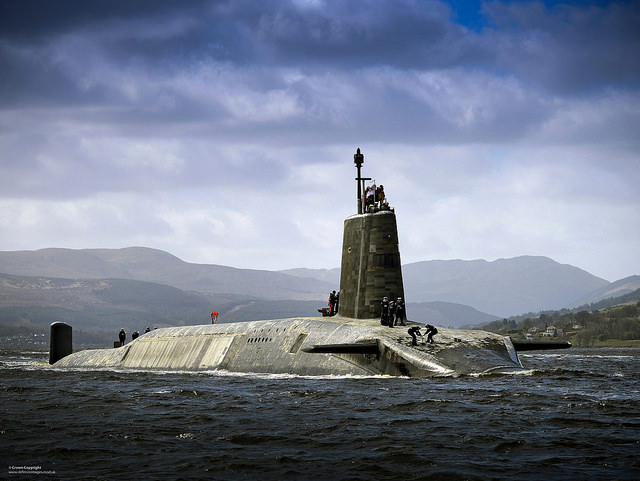
It has always astounded me how little attention people have paid to risk and future developments when debating Trident. It's a debate that heats the passions up more than most, because it deals with such visceral things as security and morality, and acts as a proxy for political identity. All too often people revert to established positions, comfortable that they are right, even if they lose.
Programmes
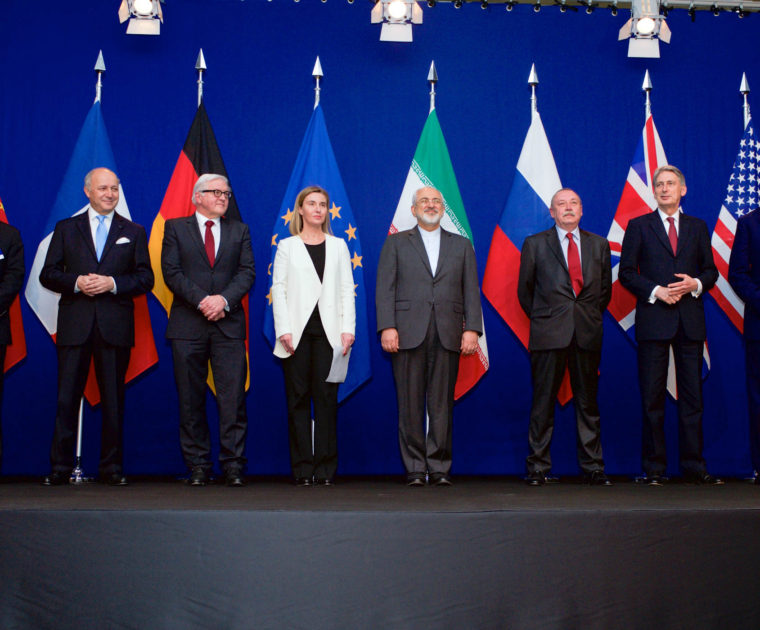
Newsnight special on Trident
BASIC's Paul Ingram was interviewed in the BBC Newsnight special on Trident that aired on 4 February 2016. The special includes a diversity of perspectives from analysts and parliamentarians. Watch the Newsnight special here: http://www.bbc.co.uk/iplayer/episode/b06zlm8q/newsnight-04022016 NB: This content is only available in the UK, and only until 29 February 2016.
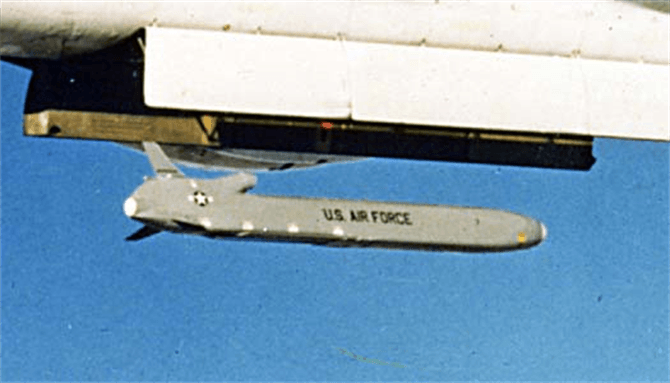
America needs the LRSO… just in case
Lord Salisbury said once that if generals were left to their own devices, they might well decide to put garrisons on the Moon to defend us from Mars. Envisioning worst-case scenarios and drawing up contingency plans for them is part of what the military does to get its job right. The problem with this professional reflex is that it often fails to assess comparative risk effectively, and in particular fully account for the risks of unintended consequences or the impacts on others. When it comes to nuclear policy and procurement decisions, the temptation for overkill is high.
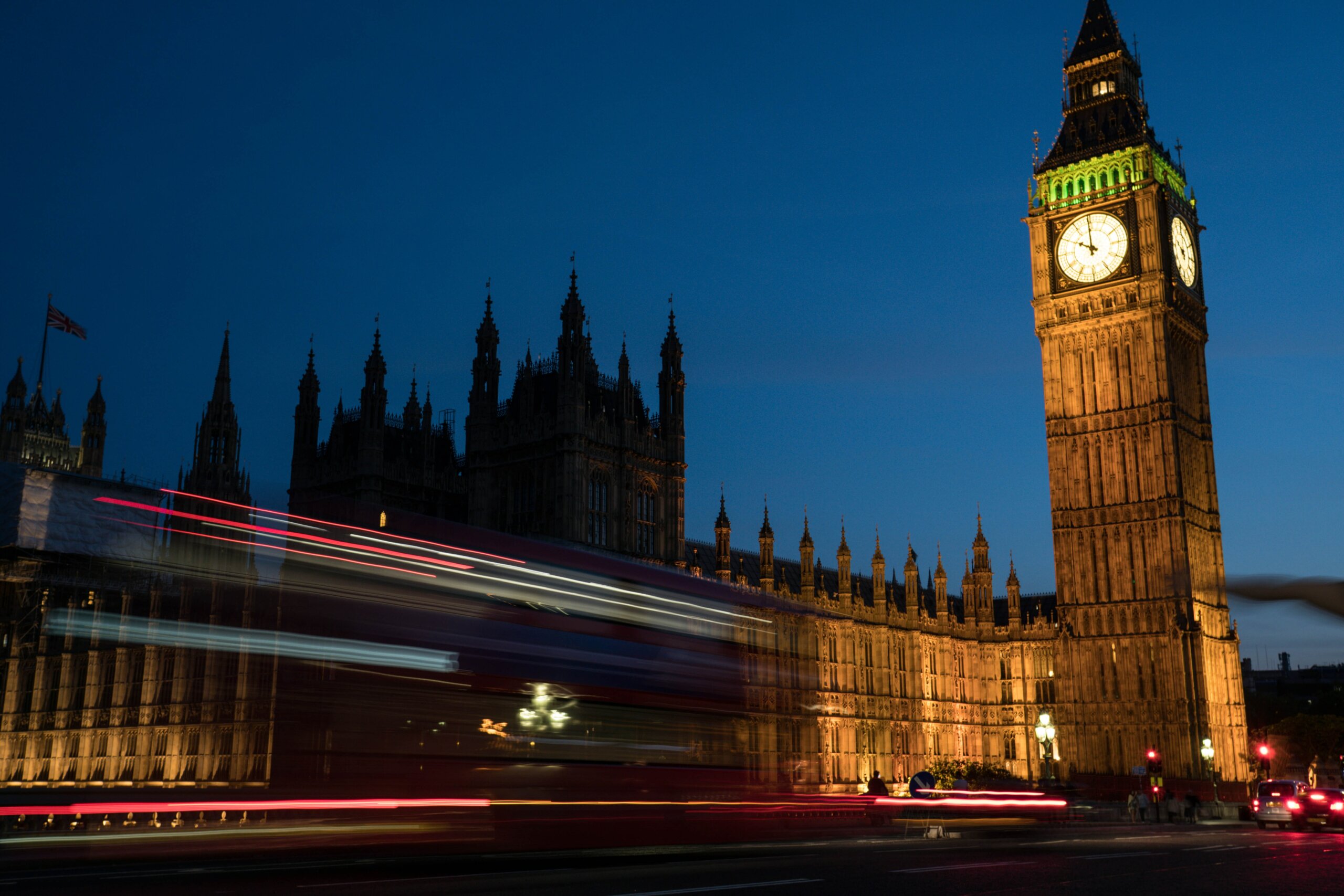
Next Generation Roundtable: Britain’s Security and the Role of Nuclear Weapons
BASIC’s Next Generation project will host Crispin Blunt MP for remarks about Britain’s security and the role of nuclear weapons, including specifics about the most recent SDSR released in November 2015 and the forthcoming parliamentary debate on Trident.
Trident: What the future holds for the UK’s nuclear submarines
The Independent’s Cole Moreton wrote an article about what the future holds for the UK’s nuclear submarines in terms of political debate and construction timeline.
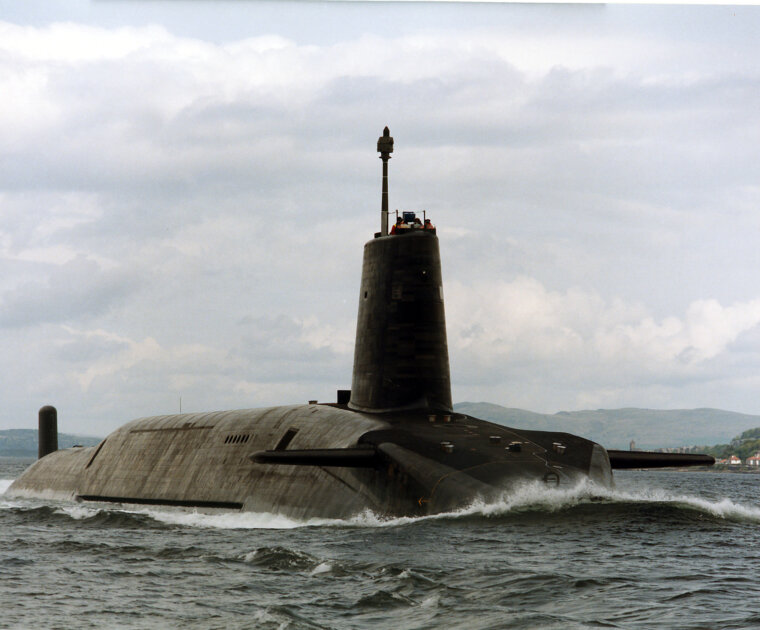
Will Trident Still Work in the Future?
Developments in anti-submarine warfare could be decisive. Emerging developments in technology that are transforming our lives and already revolutionising the battle-space in air and on land could ensure that submarines will no longer be stealthy in the foreseeable future, however silent they are. This is undeniable, and claims that these risks are minimal to Trident’s future are patently false. The judgement comes in assessing this risk and when it becomes operational, based upon the speed of technology development today, and what countermeasures that could be developed. This briefing outlines the risk and its consequences to the programme.
Trident: A Done Deal?
Trident is in the news again, and will continue to generate heat in the run up to a parliamentary debate promised later this year on the programme and patrolling posture. But the outcome is clear, pre-determined in the minds of the political elite and to some extent in contractual and diplomatic commitments. For now. Could the equation change in the next parliament? The momentum behind the project appears unstoppable, but beware unexpected shocks before coming to a firm conclusion.