
In-DepthNews covered the release of the final report from BASIC’s next generation project.
Programmes
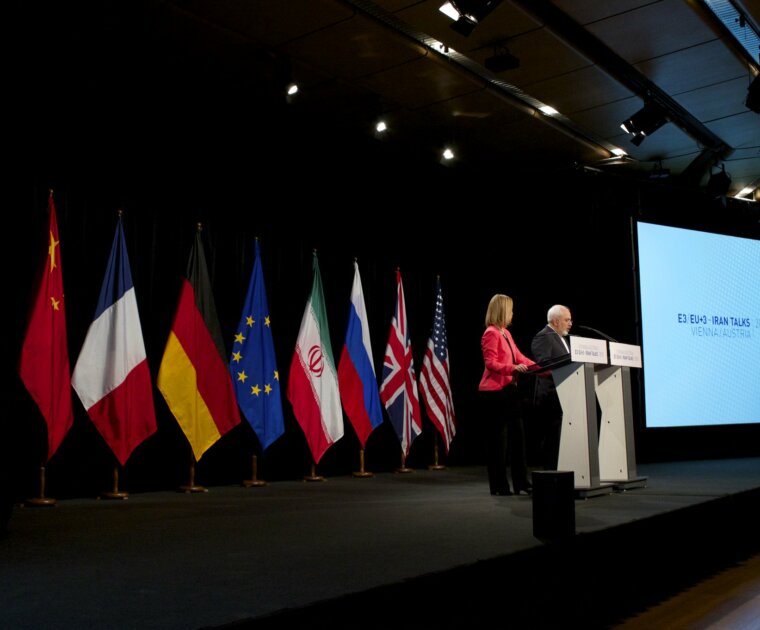
Agreement with Iran: No Longer Enemy Number One
Profil Online’s Christina Feist interviewed BASIC’s Paul Ingram on the Iranian economy, Western interests and the relationship with Israel just a few days after Implementation Day.
North Korea’s Hydrogen Bomb Test and the Questions It Raises
North Korea announces that it has tested a hydrogen bomb. This raises three questions: Is it true? Should we be worried about it? What can we do about it?

‘Trident is Old Technology’: the Brave New World of Cyber Warfare
This article by the Guardian’s Julian Borger details emerging disruptive technologies and cyber warfare that “means a country can be brought to its knees with the click of a mouse.”

Nuclear-free Mongolia: A Model for Northeast Asia?
For some countries, the response to grave feelings of national vulnerability has been the acquisition of nuclear weapons. Yet the global disarmament movement, and, specifically, advocates for denuclearisation in Northeast Asia have an unlikely yet powerful model of hope – Mongolia.
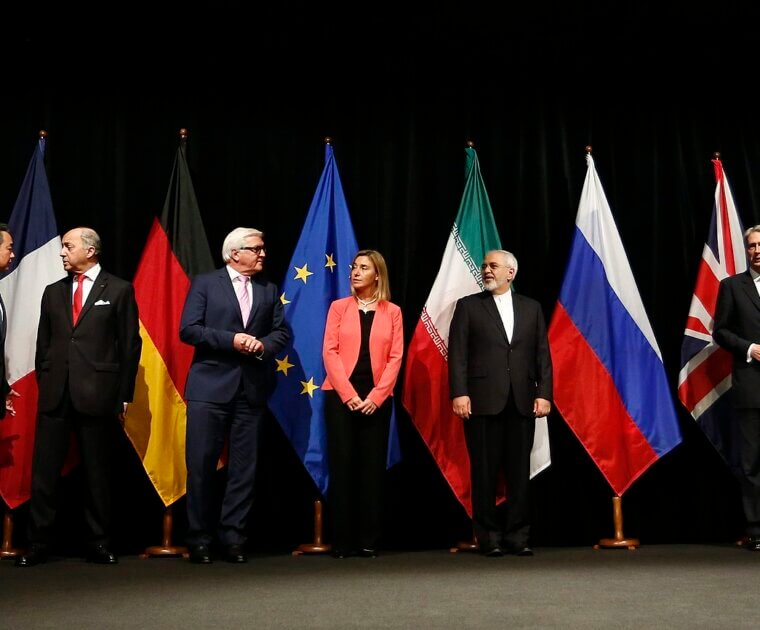
Is Iran’s ‘Implementation Day’ imminent?
Paul Ingram was interviewed on The Newsmakers Programme on TRT World News to discuss the implementation of the Iran nuclear deal.

Reframing the Narrative on Nuclear Weapons
Innovative thinking is needed to overcome deeply entrenched attitudes and slow progress in the shared responsibility to strengthen nuclear non-proliferation measures and achieve global security through nuclear disarmament. This publication represents 14 months of investigation into how future nuclear weapons policy can become more relevant to the concerns and the security of the next generation.

Systems Mapping: Nuclear Security & Non-Proliferation
As a follow on to the Next Generation project, we will hosting a series of systems mapping workshops across the USA and UK to map problem themes related to nuclear security and non-proliferation in order to surface possible improvements that help to address some of the wicked problems associated with nuclear security.