

The Programme on Nuclear Responsibilities brings together Nuclear Weapon States and Non-Nuclear Weapon States to foster understanding and dialogue on the responsibilities of states and state leaders around nuclear weapons. Launched in 2016, the Programme is now moving into an exciting second phase – find out more here.
Programmes
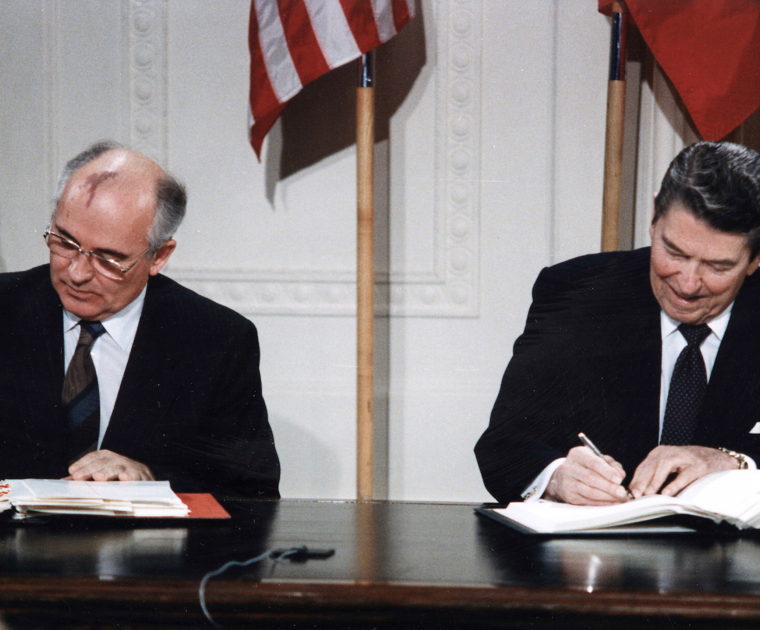
What Next for the INF Treaty?
On 31 October, the APPG on Global Security and Non-Proliferation held a meeting to discuss the future of the INF Treaty, following President Trump announcing his intention to withdraw.
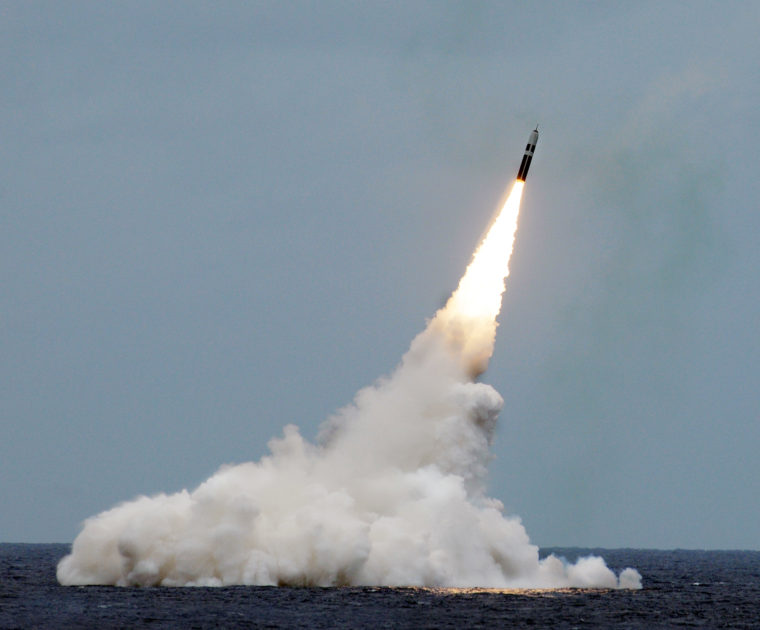
Report: How much does the UK spend on nuclear weapons?
This report draws upon a mixture of publicly available data and estimates in order to outline both the current operating costs of the Trident nuclear weapon system, as well as the estimated costs of the current plans to renew the UK’s nuclear arsenal.
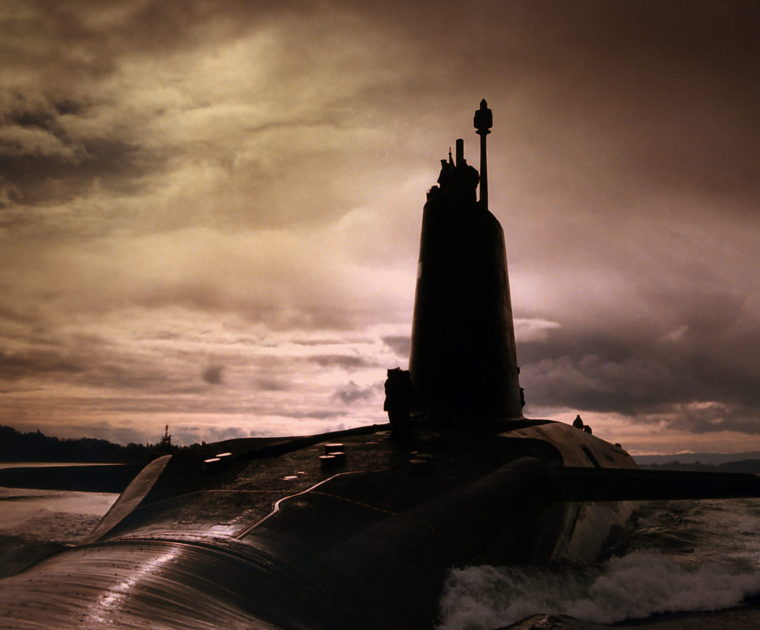
Report: (Dis)Continuous Deterrence: Challenges to Britain’s Nuclear Doctrine
Despite strong rhetorical support on part of the government for Continuous At-Sea Deterrence (CASD), a real risk exists that CASD could be interrupted in the early 2030s.
Europe must defend the INF Treaty and restraint in international diplomacy
On 20th October, President Trump announced his intention to “terminate” the INF Treaty, indicating that the United States would abrogate the deal. His move comes as a blow to international arms control, and especially to US allies in Europe, showing a careless disregard for diplomacy.
After the NATO Summit: Prospects for the Alliance
On 18 August, the APPG on Global Security and Non-Proliferation held a meeting to discuss the future of the transatlantic alliance after the NATO and Helsinki Summits
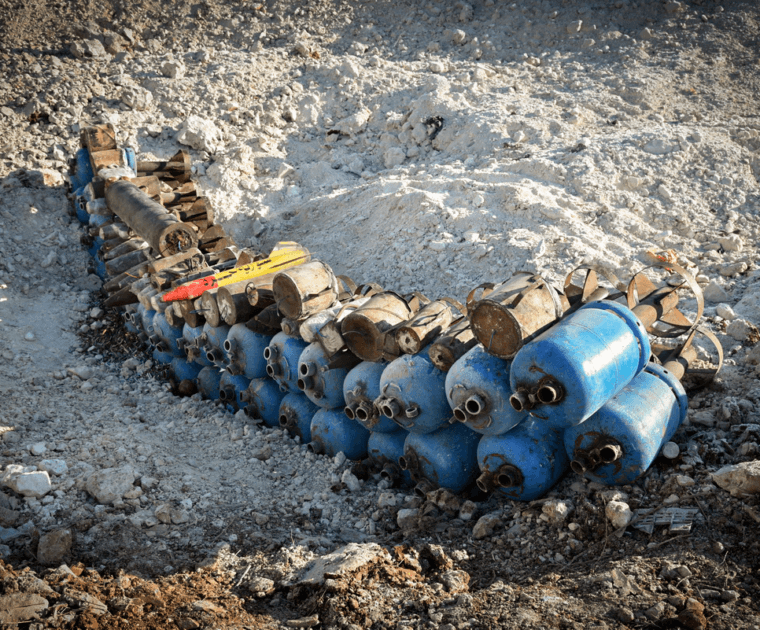
Attributing Chemical Weapons Use: The Future of the OPCW
On 16 August, the APPGs on the United Nations and on Global Security and Non-Proliferation held a joint meeting on the future of the Chemical Weapons Convention.
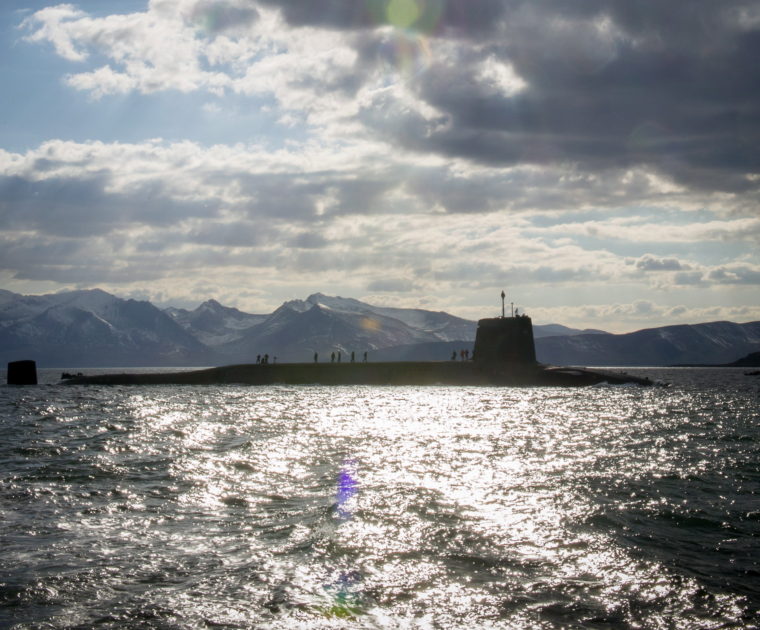
Report: Blowing up the Budget: The Cost Risk of Trident to UK Defence
BASIC’s new report illustrates in clear detail the cost risk of Trident renewal to the UK’s Defence budget; Dreadnought’s through life costs are likely to be between £110-114bn.