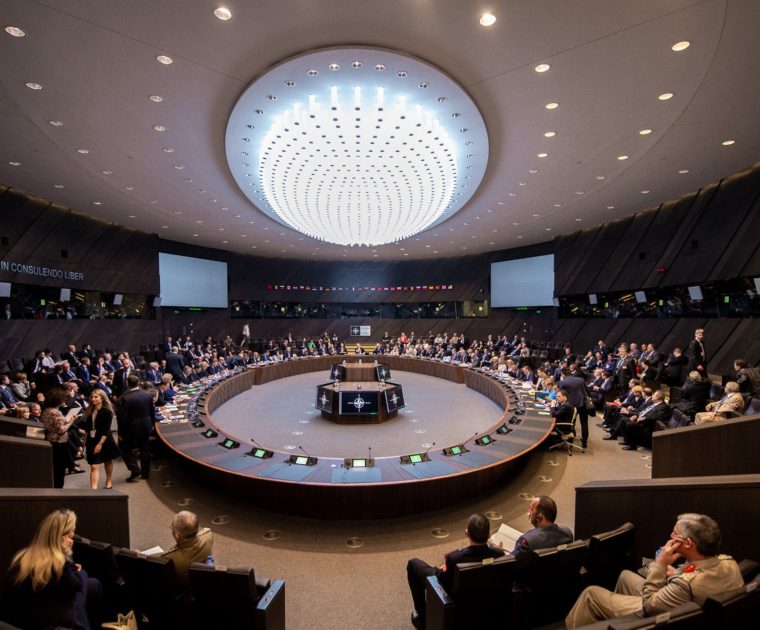
The transatlantic alliance is strained. That’s a problem. NATO matters because it is critical to the U.S. strategy of keeping World War III at bay.
Programmes
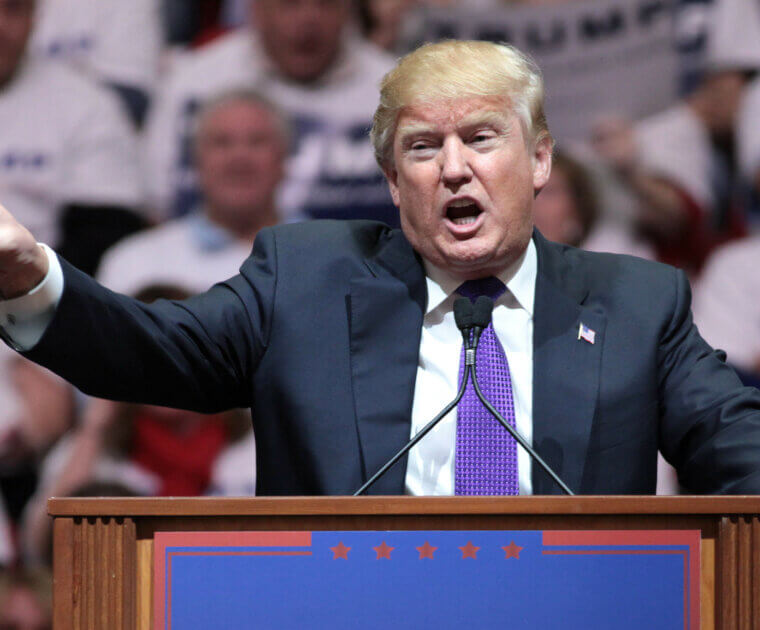
Trump’s volatile nuclear policy begins to take effect
As in many other policy realms, Trump’s nuclear mission also seems to be aimed at reversing the legacy of his immediate predecessor, while having no notable contribution to the initiatives pursued by his Republican predecessor to curb proliferation, even if through proactive means.
The Shadow NATO Summit IV
In advance of the NATO Summit in Brussels on 11-12 July 2018, BASIC, ICCS Birmingham, NATO Watch and King’s College London examined trends in transatlantic security, nuclear weapons proliferation and the attitudes and assumptions underlying current NATO policy.
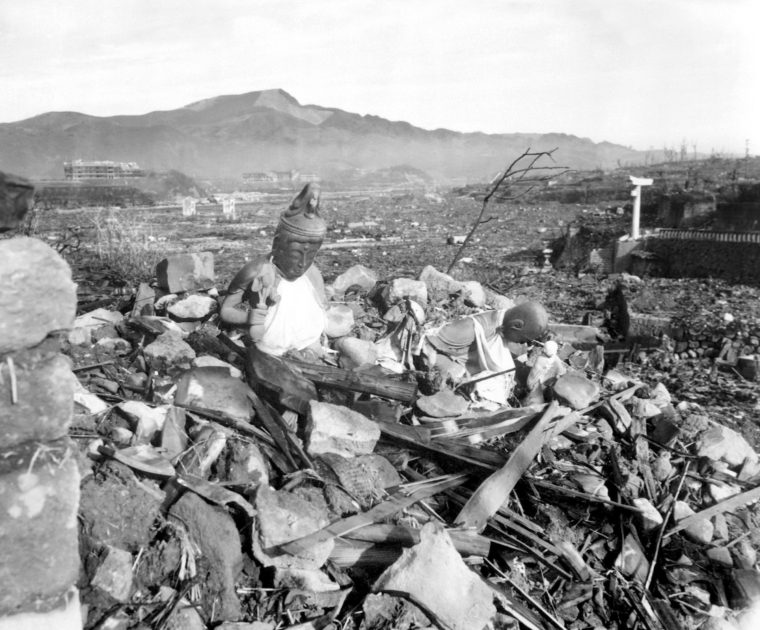
Report: Negative Security Assurances: The Test of Commitment to Multilateral Nuclear Disarmament?
Nuclear armed states already offer some limited and conditional guarantees (NSAs) that they will not threaten nuclear attack on other states that do not have nuclear weapons. This report looks at the opportunities there are in building upon these guarantees.

Where is the conversation around nuclear weapons and how can art and politics work together for social change?
Where is the conversation around nuclear weapons and how can art and politics work together for social change?
Europe and the Iran Deal: Between a Rock and a Hard Place
After more than a year of uncertainty, President Trump announced that the United States would reimpose sanctions against Iran in violation of the JCPoA (Joint Comprehensive Plan of Action), leaving the Iran Deal in limbo.

Report: Foregrounding India’s Nuclear Responsibilities: Nuclear Weapons Possession and Disarmament in South Asia
The wider international milieu should consider the risks posed by the Indo-Pak confrontation because they have both violated the ‘first law’ of nuclear politics: nuclear-armed states do not fight wars with each other.

NATO Needs a Declaratory Policy
NATO has never had a declaratory policy. Instead it has explicitly preferred thus far to rely on the three distinct declaratory policies of its nuclear member-states, despite their contrasting conditions-for-use.