What does a small team in London dedicated to shifting the debate on nuclear disarmament worldwide do? We collected together a small number of representative activities we conducted in one week in June 2019.
Content Type
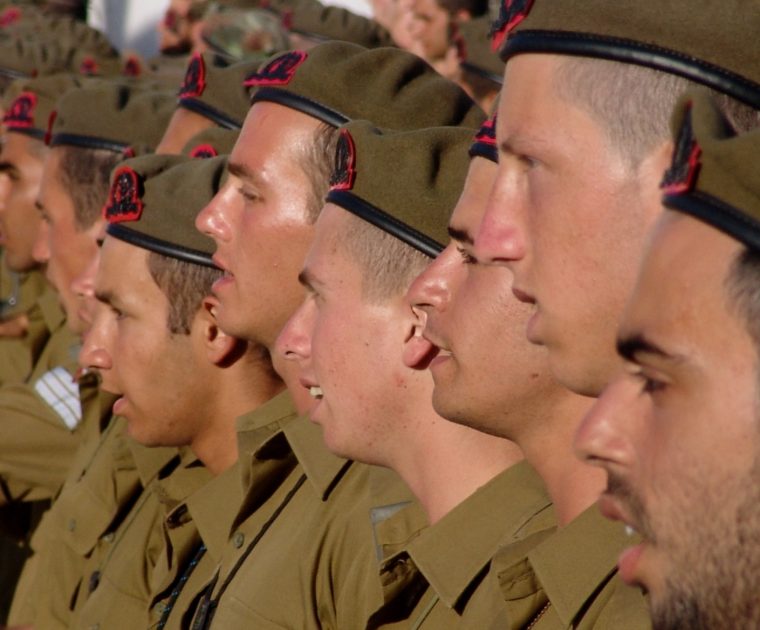
Why the Israeli Policy of Nuclear Ambiguity is Harmful for Prospects of a WMD Free Zone in the Middle East
The Israeli policy of nuclear ambiguity is perhaps one of the most controversial nuclear policies today, and is the subject of some criticism by other states in the Middle East and nuclear disarmament activists.

Stockholm Syndrome: Looking to Escape the Nuclear Trap We’re Caught In
Whilst the public debate over nuclear disarmament tends to deal in black and white, the reality is that the nuclear disarmament process to which every member of the international community is committed to inevitably involves a complex set of steps that can be taken unilaterally, bilaterally and multilaterally.

Report: Reducing Nuclear Risks: European perspectives from the 2019 PrepCom
This report arises from a roundtable on ‘Developing European Perspectives on Nuclear Risks’ on 7 May 2019, hosted at the Polish Mission to the UN in New York and under the sponsorship of the Dutch Foreign Ministry during the 2019 Non-Proliferation Treaty (NPT) Preparatory Committee.
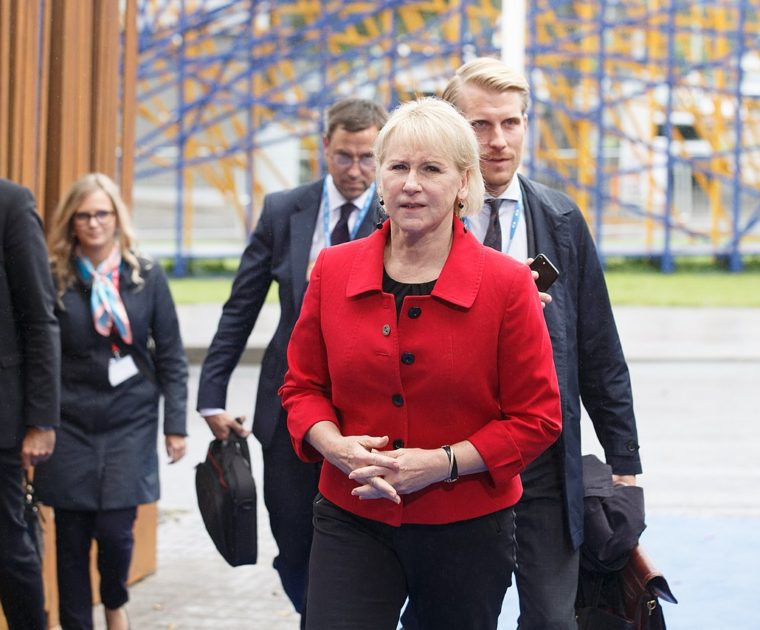
Swedish Foreign Minister hosts ministerial meeting for Stepping Stones approach
On Tuesday, 11 June, Foreign Ministers from 15 countries meet in Stockholm to discuss how to make progress on nuclear disarmament. The impetus for this meeting is the Swedish ‘Stepping Stones’ implementation approach, which seeks to revive the blocked disarmament pathway in the Non-Proliferation Treaty.
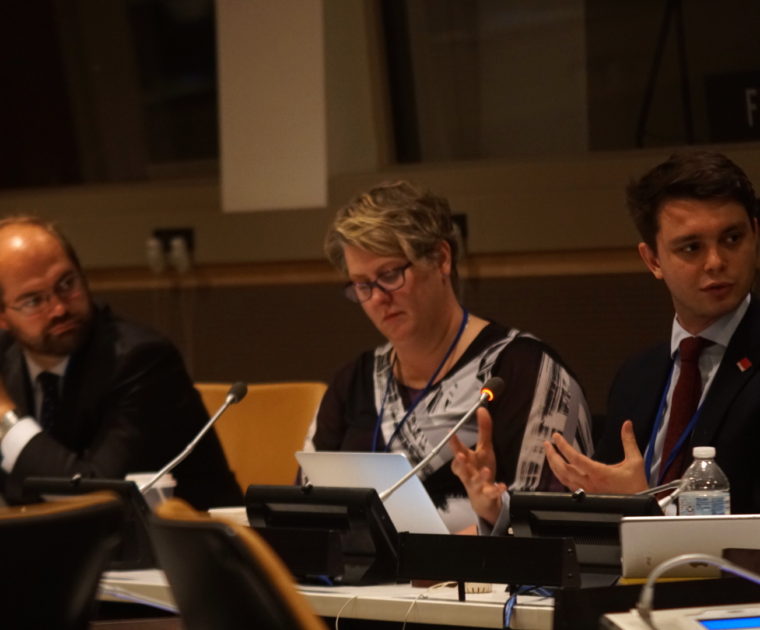
Nuclear Responsibilities at the NPT Preparatory Committee 2019
Representatives from the United Kingdom, Japan, Malaysia and Australia reported back on consultations about nuclear responsibilities in 2018-2019, at a side event at the 2019 NPT Preparatory Committee.
Achieving the Possible: WMD-Free Zone in the Middle East
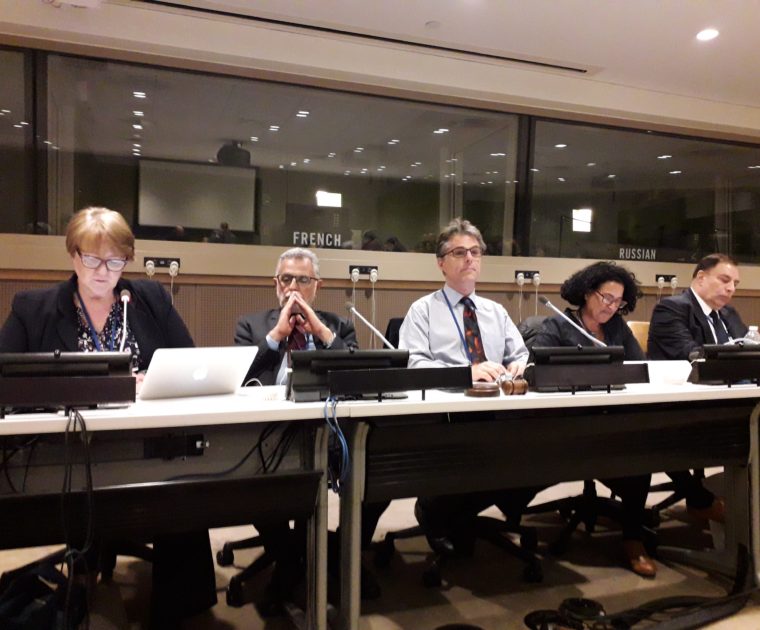
On the 8th of May, the Middle East Treaty Organisation (METO) Project held a side-event in conjunction with the support of the Irish Ministry of Foreign Affairs on Achieving the Possible: WMD Freezone in the Middle East. As negotiations at the 2019 NPT PrepCom continue and Iran announces it is suspending some of its obligations of the 2015 Iran Deal, the issue of how the international community can make progress of this issue pivotal to regional and global security becomes increasingly pertinent.
Report: Re-emerging Nuclear Risks in Europe
The security environment in Europe has deteriorated in recent years, and nuclear risks have re-emerged as a prime concern for European governments.