
The Commission’s concluding report, published on 1 July 2014, is intended to inform a more considered debate over Britain’s nuclear weapon policy focused on national security, mindful of the politics and the strategic and diplomatic context. This is a direct response to the report and represents the views of the author. BASIC publishes it here as part of an ongoing discussion.
Blog

Talking about Trident & the Next Generation of Global Threats
BASIC and WMD Awareness kicked off their Talking Trident: A Conversation with the Next Generation event series on July 9th in Shoreditch in east London. These events are a series of debates being held to give young adults in Britain the opportunity to express their opinions on the issue of nuclear weapons before the government makes a decision on whether to renew its nuclear system, Trident, in 2016.
Beyond the Trident Commission Report
The Trident Commission report on Britain’s nuclear weapons policy aims to distill core national security arguments and challenge vague pro-renewal stances. Public and political engagement remain minimal despite the crucial timing and evolving global threats. The Commission debates Britain’s independent nuclear deterrence and its role in NATO, ultimately questioning the alignment of current policies with global disarmament goals.
Building Dialogue: The Trident Commission and our nuclear future
Dialogue is the most crucial ingredient in determining a future where we no longer live in the shadow of nuclear destruction. Without dialogue we will not be able to overcome the widespread orthodoxy that claims it is now impossible for nuclear weapons to be abolished. Without dialogue we will not be able to convince potential proliferators not to take the nuclear path.
The Nuclear Weapon as a Symbol
Being the most powerful and destructive weapon ever conceived by human beings, able to annihilate entire populations, the nuclear weapon is a powerful symbol with multiple dimensions.
Let’s Call It a Bargaining Chip
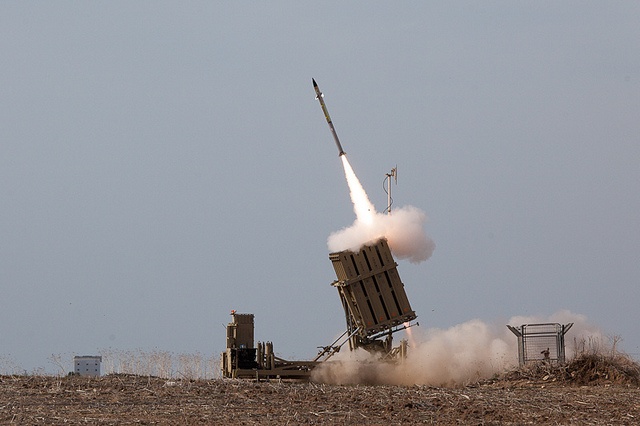
Referring to Israel’s nuclear program as a bargaining chip is not a breakthrough idea. Scholars have argued before that in lieu of having a “deterrence policy that does not deter,” Israel might perceive its nuclear arsenal as a bargaining chip to negotiate with its Arab counterparts over regional security issues, including around a WMD-free zone in the Middle East.
Alternative proliferation methods? The nuclear fuel cycle and hydrodynamic testing
Nuclear security, that is, the protection of nuclear materials, technology, and knowledge, is an ever changing field in which academics, policy makers and industry representatives must be forever vigilant for potential new forms of proliferation and security challenges.
Going back to the Six-Party Talks, is there any hope?
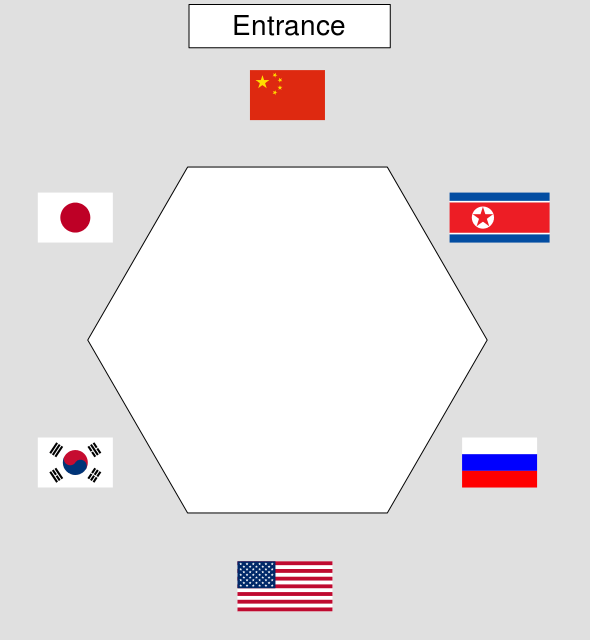
North Korea’s nuclear weapons program has given rise to much debate on the security challenges that it brings to the international system. Its deployment of ballistic missiles and testing of nuclear devices (2006, 2009, and 2013) have alarmed states around the world, and posed dangers and threats to the region. In fact, recent activity at North Korea’s nuclear facility has given rise to new concerns about the possibility of a fourth nuclear test.