
NATO heads of states discussed the multitude of threats at their summit in Wales earlier this month. The debate was predictably dominated by the Russian – Ukrainian crisis, though delegates also discussed how best to strengthen Afghan National Security Forces. Buried within the summit declaration was the condemnation of the Democratic People’s Republic of Korea (DPRK) for carrying out nuclear weapon and ballistic missile tests.
Blog
Iran’s uranium enrichment plant: central to negotiations over Iran’s nuclear power
Enriching uranium is the most difficult part of building a nuclear bomb. If you can get hold of 15 pounds of highly-enriched uranium, which is a lump about the size of a grapefruit, and have a reasonably sophisticated engineering industry, you can build a nuclear bomb.
Knowledge, Accessibility and Awareness of Nuclear Weapons
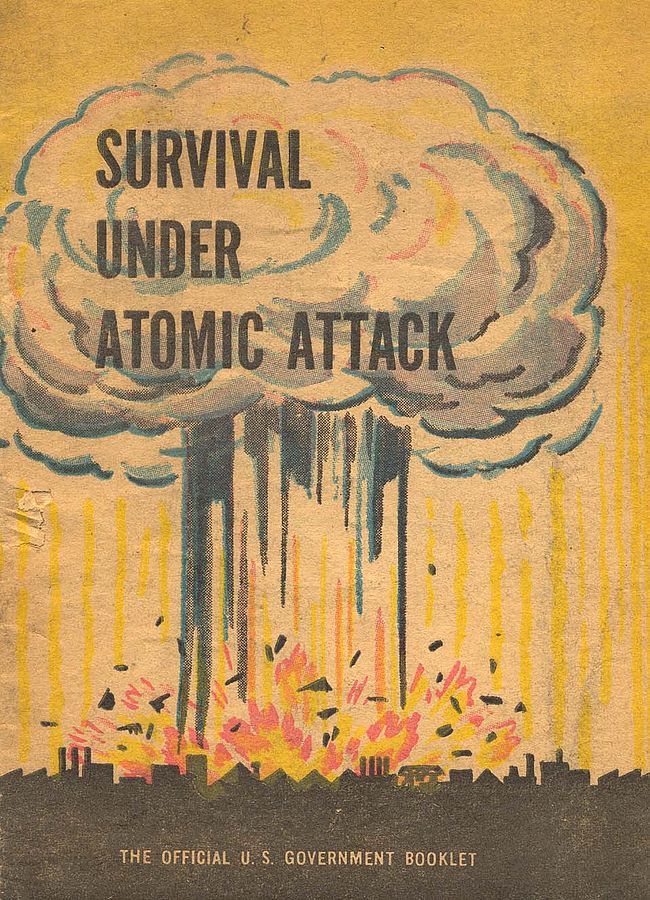
In the early 1980s, a number of educators and organizations sought to bring a highly controversial issue back into American classrooms: nuclear weapons. Unlike their parents’ generation, students would not be learning how to “duck and cover” in the event of a nuclear attack but would discuss the choices involved in averting nuclear warfare.
Do not let the Helsinki conference on a Mideast WMD-Free Zone fall off the “to-do” list
If Russia, the UK, and the US – as the co-conveners of the Helsinki conference on a WMD-Free Zone in the Middle East – had a priority list of foreign policy agenda items, convening such a conference would likely be hidden somewhere on pages 4 or 5 of a double-sided document, printed in 11 pt. Calibri font. Even among key stakeholders, the mounting crises in the region might reduce the diplomatic impetus for convening the conference, at least within the intended deadline of “as soon as possible” and certainly before the 2015 NPT Review Conference.
UK-US sign secret new deal on nuclear weapons
BASIC's Executive Director, Paul Ingram was quoted in an article about the Mutual Defence Agreement (MDA) signed between US and UK officials.
Here's what he said: “With the deepening of technical collaboration that shapes the procurement decisions here in London over nuclear weapons programmes, in a manner that stretches or breaks Article 1 of the NPT, it is high time we took this relationship and its consequences for international security seriously.”
What’s ahead for the United States and the United Kingdom?
Tomorrow the U.S. Senate Foreign Relations Committee will host a hearing on the P5+1 negotiations with Iran. Witnesses will include Wendy Sherman, Under Secretary of State for Political Affairs and the U.S.’ lead negotiator on the Iran nuclear talks, and David Cohen, the Treasury Department's Under Secretary for Terrorism and Financial Intelligence. Last weekend the six-month deadline (July 20th) for the interim Joint Plan of Action passed without a final deal being reached.
What’s behind the deepening US-UK nuclear weapon cooperation?
The Mutual Defense Agreement (MDA) lies at the heart of the special nuclear relationship between the United States and United Kingdom. The nuclear relationship set up by the MDA is seen to be beneficial to both the US and UK by cementing the bilateral relationship in sharing of nuclear weapons technology, as well as enshrining a certain uneven power structure in law.
A vote for Scotland’s independence could reverberate through NATO
Research Fellow at the National Defence University, Leo Michel, wrote an op-ed for the LA Times ahead of the Scottish referendum on independence and the implications on the future of the British nuclear forces and NATO. Michel cites the Trident Commission in his article.
Read the full article here: http://www.latimes.com/opinion/op-ed/la-oe-0725-michel-scotland-independence-nuclear-fo-20140725-story.html