World leaders will descend upon New York this week to meet, and deliver their annual remarks to the United Nations General Assembly. The Syrian crisis is sure to take up a fair amount of diplomatic attention at the podium and on the sidelines, but there will also be opportunities for nuclear diplomacy.
Analysis
Syria: lessons for the nuclear debate
The threat of military intervention in Syria in response to alleged chemical weapons use by Bashar Al-Assad’s government was put on hold this past week as U.S. and Russian Foreign Ministers, John Kerry and Sergei Lavrov, negotiated a deal that would see Syria sign up to the U.N. Chemical Weapons Convention (CWC) and hand their chemical weapons stockpile over to the international community. As we edge towards a decision, it may be valuable to reflect on the core arguments that have been driving the debate.
“Syria crisis Q&A: chemical weapons disarmament would face multiple hurdles”
BASIC Executive Director Paul Ingram was quoted in this article by Damien McElroy. The article briefly reviews Syria's chemical weapons holdings, and asks what it might take to seize and remove its stockpiles.
Raising our sights in Syria
President Obama’s announcement on Saturday that he stands ready – before UN weapons inspectors report on their findings but contingent on Congressional consultation – to initiate military action against the Syrian regime for its alleged use of chemical weapons in Damascus two weeks ago, has received mixed reactions both in the US and further afield.
Looking beyond the U.S.- Russia stalemate
The decision last week to cancel President Obama’s September meeting in Russia with President Putin sparked a wave of questions among policy watchers.
Fighting a prevailing Cold War mentality
The US Congress is entering its home stretch this week, as it works its way through five more hot and humid days before its month-long summer recess begins on Friday. Likewise, in Europe, many institutions have already wound down for their traditional August break. This is a chance to step out of the political fray, take stock and refocus.
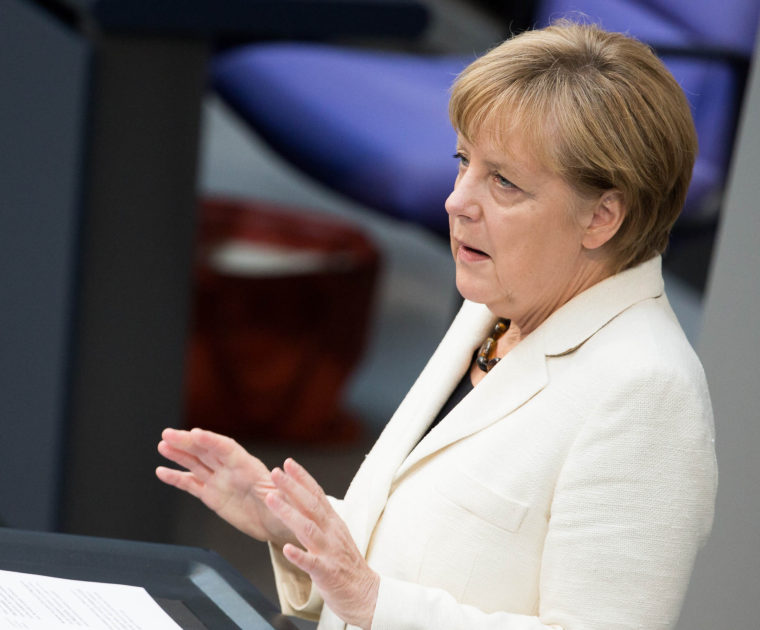
Rethinking Nuclear Deterrence and Burden-Sharing
On Friday, BASIC brings together Oliver Meier (Germany) and François Rivasseau (France) to discuss extended deterrence and NATO nuclear burden-sharing as a part of our ongoing Strategic Dialogue series at the Capitol Hill Club in Washington, D.C.
Cutting back Britain’s nuclear submarine fleet would be huge gamble with the nation’s security, claims Defence Secretary
The Daily Record referenced BASIC's recent report, 'Trident in UK Politicis and Public Opinion', in this article which highlights the political divide on the Trident debate between the UK main parties.
Read the full article on the Daily Record's website:
http://www.dailyrecord.co.uk/news/politics/cutting-back-britains-nuclear-submarine-2056750