

On 13 February, the APPG on Global Security and Non-Proliferation held a meeting to discuss the current climate for disarmament and the upcoming NPT review conference in 2020.
Analysis

Report: Common but Differentiated Nuclear Responsibilities – Perspectives from Tokyo
This report proposes that states have ‘common but differentiated responsibilities’ around nuclear weapons and is developed from a one-day roundtable to introduce the Japanese nuclear policy community to the ‘nuclear responsibilities’ framing.

Conflict in Kashmir — Responsibilities and the Fallacy of Escalation of Control
Hailed by India as a successful demonstration of Indian resolve, India’s “non-military pre-emptive strike” against…
The United Kingdom’s Non-Proliferation and Disarmament Diplomacy
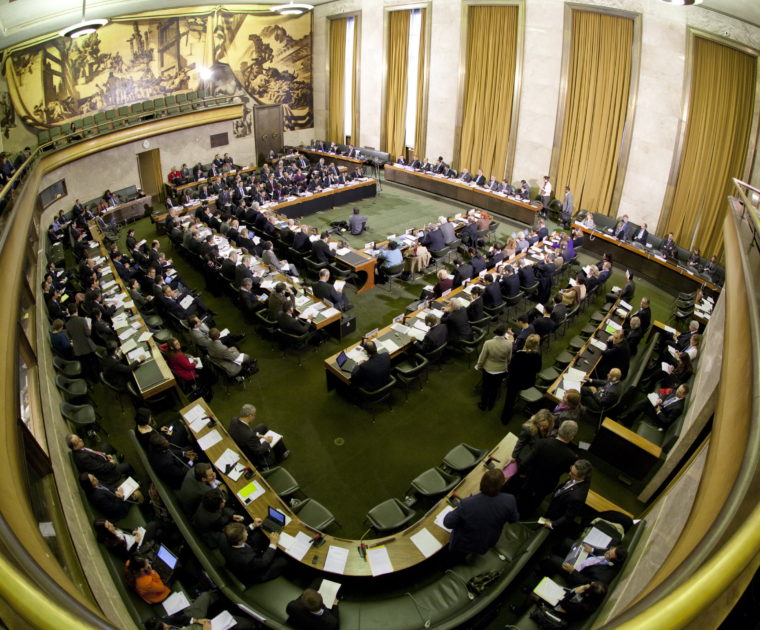
On 21 January, the APPG on Global Security and Non-Proliferation held a meeting to discuss the UK’s approach to global non-proliferation and disarmament diplomacy.
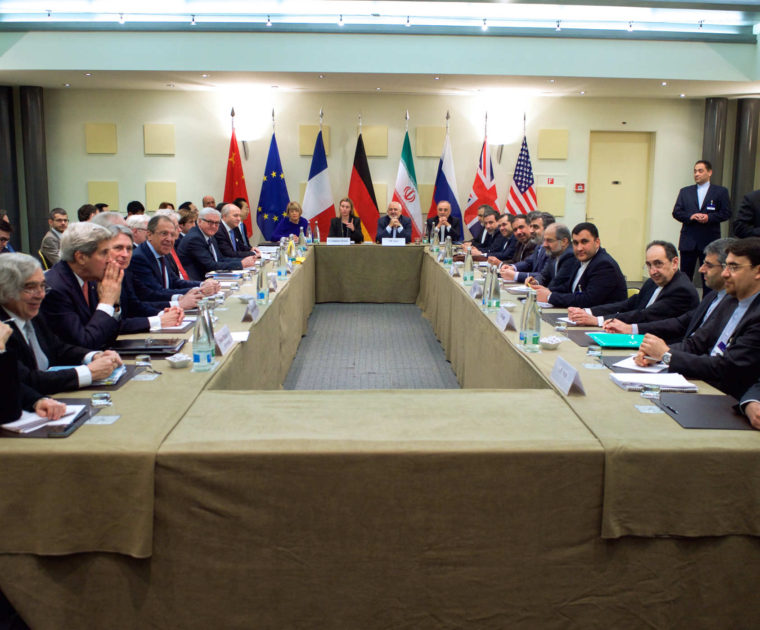
How can we move forward after the US withdrawal from the Iran deal?
The adoption of the JCPoA signalled Iranian willingness to cooperate with western nations. However, in May 2018, President Donald Trump fulfilled a campaign promise and pulled the US out of the deal, reinstating sanctions on Iran and threatening foreign entities with secondary sanctions.
Paul Ingram Gives Oral Evidence to the House of Lords International Relations Committee for the NPT Inquiry
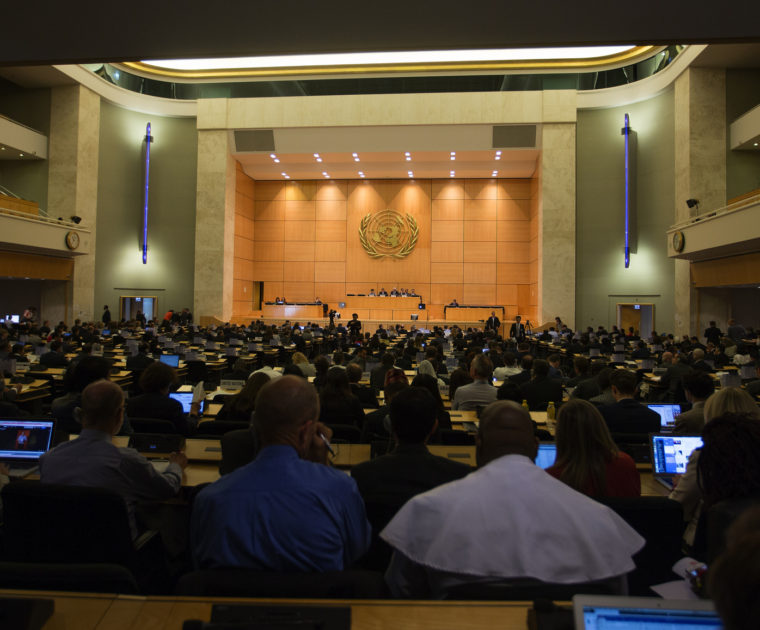
Paul Ingram, BASIC’s Executive Director, gave oral evidence to the House of Lords International Relations Committee, as part of their Inquiry into the Nuclear Non-proliferation Treaty and nuclear disarmament.
BASIC submits evidence to Defence Select Committee Inquiry into the INF Treaty
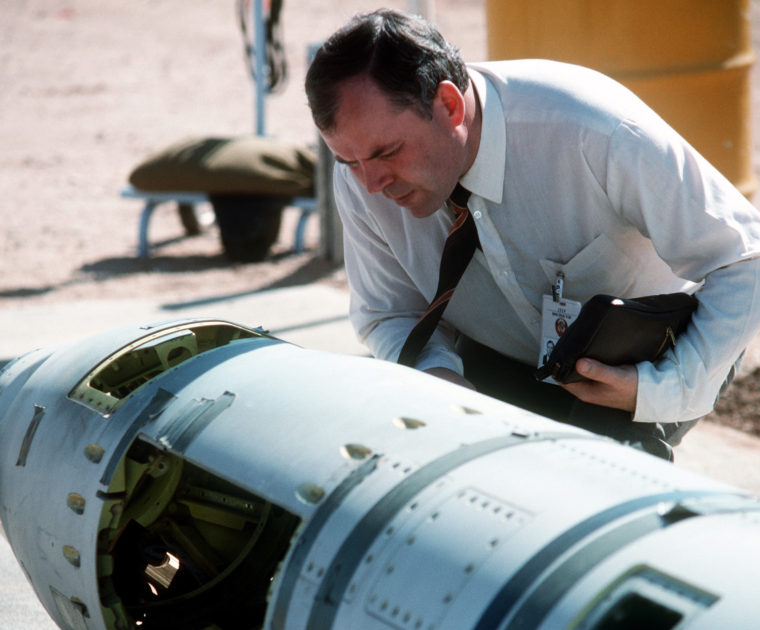
BASIC submitted evidence to the Defence Select Committee Inquiry into the INF Treaty.
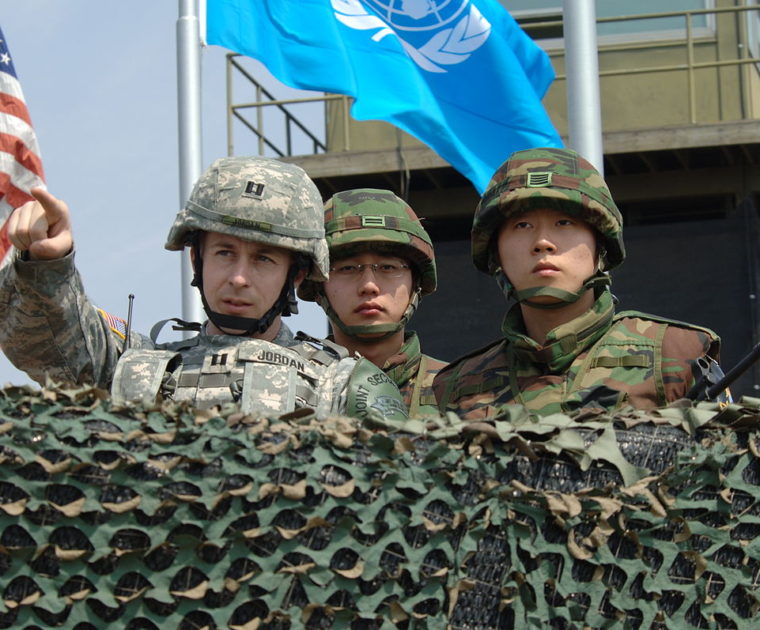
Washington’s Northeast Asian nuclear umbrella and Sino-American strategic relations
The American nuclear umbrella, though focused on the DPRK, also positions Washington against one of its major great power rivals. As the US Naval War College’s Terrence Roehrig has argued, the US nuclear umbrella concurrently deters China to an extent.