

BASIC and WMD Awareness kicked off their Talking Trident: A Conversation with the Next Generation event series on July 9th in Shoreditch in east London. These events are a series of debates being held to give young adults in Britain the opportunity to express their opinions on the issue of nuclear weapons before the government makes a decision on whether to renew its nuclear system, Trident, in 2016.
Search Results for: press
The prospect of success with Iran
This week, Iran and the P5+1/E3+3 group of world powers are under pressure to produce a comprehensive agreement around the former’s nuclear program by a deadline of Sunday, July 20th, or otherwise agree to extend their existing interim arrangement. Iranian Foreign Minister Mohammad Javad Zarif and U.S. Secretary of State John Kerry were holding direct discussions after several foreign ministers from the P5+1 gathered in Vienna this past weekend to assess progress toward a long-term deal that would provide reassurance that Iran’s program will not be used for producing nuclear weapons.
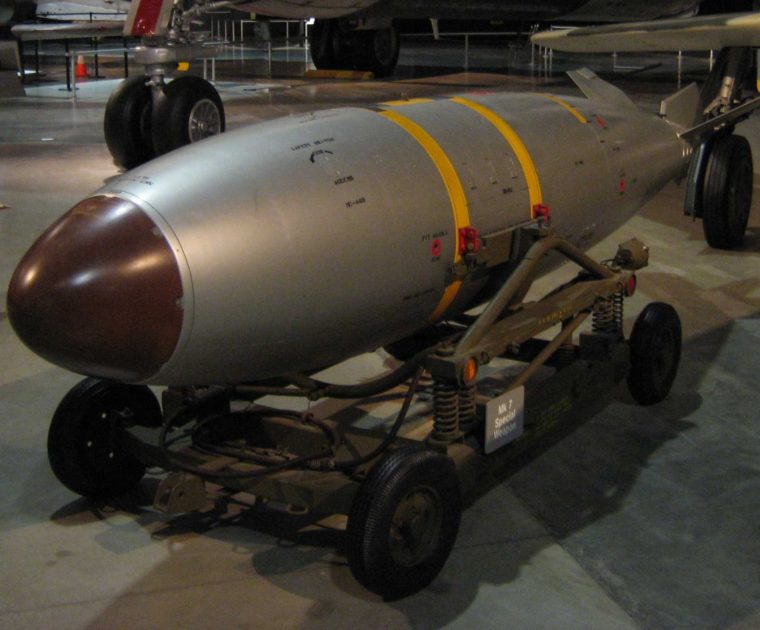
Are nuclear weapons cut out to meet the security challenges of the next generation?
This is a hard question to answer because of the complexity in trying to predict the future. We have some idea of what international security challenges we may face in one, five, and even ten years time, but further than that our predictions become educated guesses.
Building Dialogue: The Trident Commission and our nuclear future
Dialogue is the most crucial ingredient in determining a future where we no longer live in the shadow of nuclear destruction. Without dialogue we will not be able to overcome the widespread orthodoxy that claims it is now impossible for nuclear weapons to be abolished. Without dialogue we will not be able to convince potential proliferators not to take the nuclear path.
Westminster pushes one million people into poverty
The Trident Commission, spearheaded by BASIC, launched its concluding report on July 1st, and it is expected to add significant value to the debate on whether or not to keep Britain’s nuclear deterrent. A press release by the Scottish National Party responded to the Trident Commission by arguing that one million people live in poverty in Scotland, while at the same time Westminster wishes to spend a significant amount of money on a Trident renewal programme.
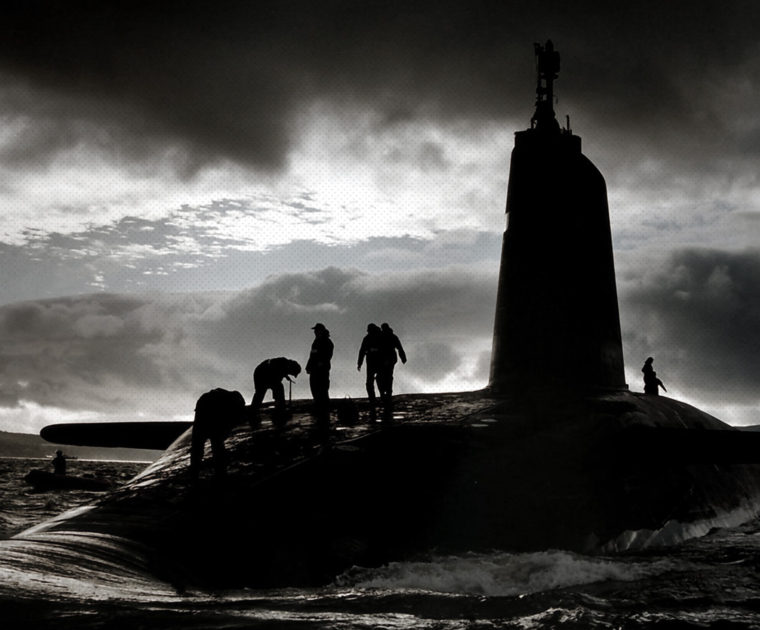
Launch of the Trident Commission’s concluding report
BASIC set up the Trident Commission in 2011 as an inquiry into Britain’s nuclear weapon policy. Its final report, published today, represents the collective views of the eight Commission members after engaging in an intense three-year process. The primary purpose of this report is to contribute to an informed and deeper debate on Trident renewal that focuses on national security in its widest sense. We are experiencing rapid strategic change in this century and the relevance of our major defence investments to tomorrow’s threats must be analysed across a wide range of considerations.
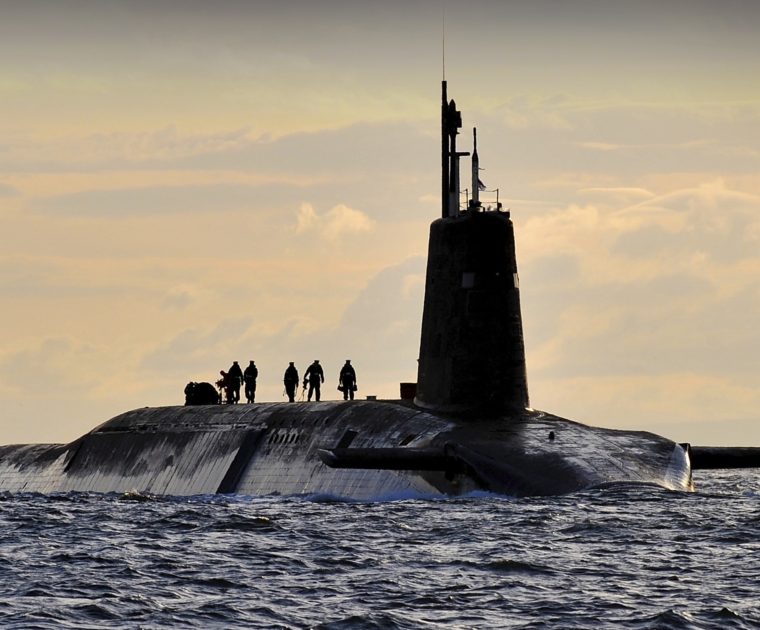
Behind the Trident Commission Report
The village of Westminster is failing the UK public over Britain’s nuclear weapons policy at this most critical of moments. The Scots are about to vote on whether to leave a Union that is supposedly defended by Trident, and yet Trident is currently the most potent symbol for the SNP of what they claim is wrong with the Union. And the government in London is two years away from a final decision on whether to replace the nuclear weapon system.
