Through the second half of the twentieth century, North Korea’s communist regime managed to survive in large part thanks to the backing of its key ally, the USSR. Post-Cold War Russia later modified its position toward its old Cold War ally, and bilateral relations became damaged when the then-USSR established diplomatic ties with South Korea in 1990.
Search Results for: news
Trident – a liability the UK can ill afford to keep
If Scotland votes yes for independence this week, the chances of the UK having to disarm its nuclear arsenal rise dramatically–and the global non-proliferation regime needs just such a shot in the arm. But even a close no vote should be cause for reassessment over the future of Trident.
A Yes vote in Scotland could finish Trident
This article was written by Paul Ingram and was published in the Ecologist.
WMD-Free Zone in the Middle East
This factsheet outlines various facets of the proposals and attempts to establish a WMD-free zone…
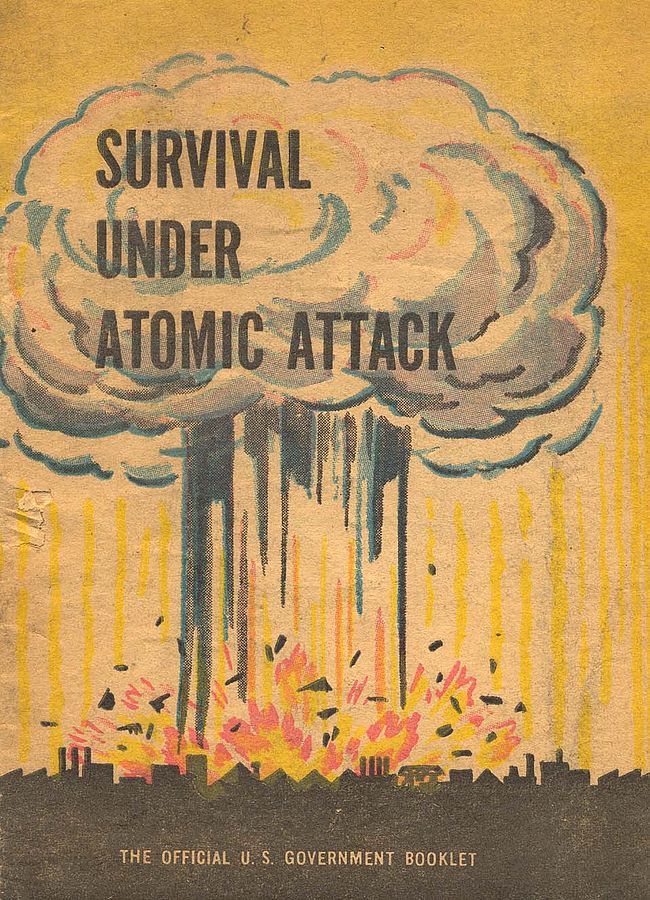
Knowledge, Accessibility and Awareness of Nuclear Weapons
In the early 1980s, a number of educators and organizations sought to bring a highly controversial issue back into American classrooms: nuclear weapons. Unlike their parents’ generation, students would not be learning how to “duck and cover” in the event of a nuclear attack but would discuss the choices involved in averting nuclear warfare.
Do not let the Helsinki conference on a Mideast WMD-Free Zone fall off the “to-do” list
If Russia, the UK, and the US – as the co-conveners of the Helsinki conference on a WMD-Free Zone in the Middle East – had a priority list of foreign policy agenda items, convening such a conference would likely be hidden somewhere on pages 4 or 5 of a double-sided document, printed in 11 pt. Calibri font. Even among key stakeholders, the mounting crises in the region might reduce the diplomatic impetus for convening the conference, at least within the intended deadline of “as soon as possible” and certainly before the 2015 NPT Review Conference.
What’s ahead for the United States and the United Kingdom?
Tomorrow the U.S. Senate Foreign Relations Committee will host a hearing on the P5+1 negotiations with Iran. Witnesses will include Wendy Sherman, Under Secretary of State for Political Affairs and the U.S.’ lead negotiator on the Iran nuclear talks, and David Cohen, the Treasury Department's Under Secretary for Terrorism and Financial Intelligence. Last weekend the six-month deadline (July 20th) for the interim Joint Plan of Action passed without a final deal being reached.
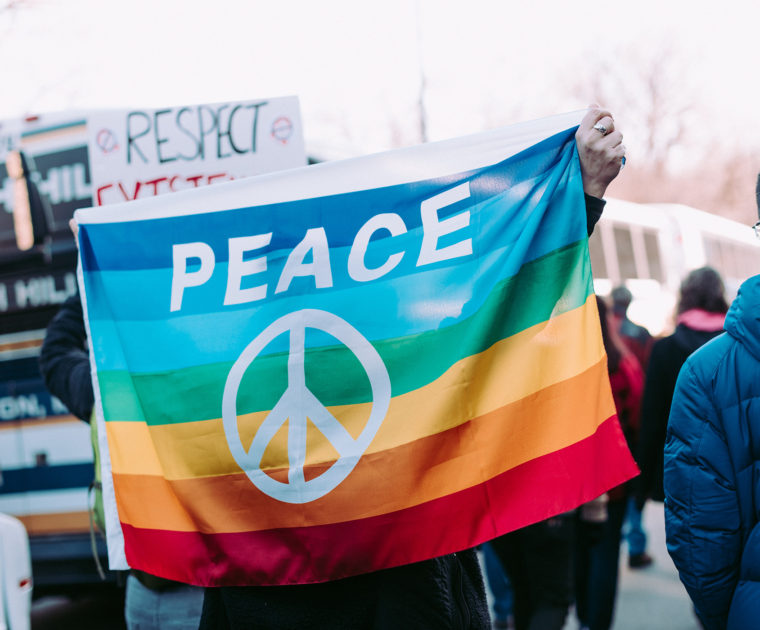
Talking about Trident & the Next Generation of Global Threats
BASIC and WMD Awareness kicked off their Talking Trident: A Conversation with the Next Generation event series on July 9th in Shoreditch in east London. These events are a series of debates being held to give young adults in Britain the opportunity to express their opinions on the issue of nuclear weapons before the government makes a decision on whether to renew its nuclear system, Trident, in 2016.