BASIC Executive Director Paul Ingram was featured talking about Trident on BBC Radio 4 programme Any Answers?
Listen to the full interview with Paul here: http://basicav.podomatic.com/entry/2015-04-13T04_19_27-07_00
BASIC Executive Director Paul Ingram was featured talking about Trident on BBC Radio 4 programme Any Answers?
Listen to the full interview with Paul here: http://basicav.podomatic.com/entry/2015-04-13T04_19_27-07_00
The outline Iran nuclear deal has highlighted divisions in the region—not just between majority Shia and Sunni states but between those supporting the status quo and those challenging it.
It appears self-evident to a key Westminster committee that global insecurity requires a significant upgrade in UK military capability. Self-evident—and wrong.
It may sound like an oxymoron but we need a new global conversation which engages all nuclear-armed states en route to disarmament. Is there such a thing as a responsible nuclear-armed state in the 21st century? If so, what does it look like?
This factsheet outlines the specifics of the Nuclear Non-Proliferation Treaty. It was last updated April 2015.…
This is a factsheet on various aspects of the UK Trident debate. This was last updated…
deadline for the final agreement between the E3+3/P5+1 and Iran is set for the end of June and is not likely to be extended again. However, the P5+1 and Iran set a self-imposed deadline of March 31st to complete a framework agreement for the deal.
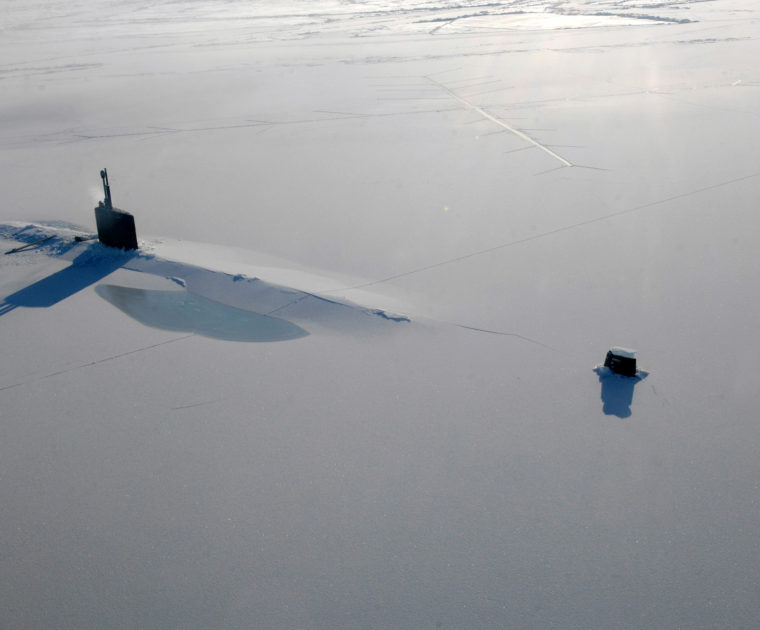
This week the Federation of American Scientists (FAS) released the results of a year-long task force study on Naval Nuclear Propulsion. This task force included experts from the national security, nuclear engineering, nonproliferation and nuclear security fields, including BASIC’s Executive Director Paul Ingram.