
A 2007 US National Intelligence Estimate report concluded that Iran had halted any research related to nuclear weapons in 2003. It categorically stated that this was a result of Iran’s cost-benefit approach.
Programmes
Concern About Iran’s Parchin Facility Not Supported by Images
“With debate flaring in Washington over the July 14 agreement between Iran and world powers, some analysts and politicians say activities at Parchin underline the risks of entering into a deal with the Islamic Republic,” reports Jonathan Tirone from Bloomsberg Business on August 11, 2015.
BASIC executive director, Paul Ingram was quoted in the article as saying: “Parchin is an active site and movement is inevitable. Attempting an impossible cleanup in full view of satellites and just before Congressional votes would be stretching conspiracy theories beyond breaking point.”
Giving Iran too much to lose
‘If Congress wants Iran to be constrained – not only in its nuclear program but also in its actions abroad – then they ought to support the nuclear deal.’ writes BASIC’s senior scientific adviser, Yousaf Butt for the Hill.
“Hiroshima, Nagasaki weren’t cause of Japan’s surrender”: historian Ward Wilson
BASIC Senior Fellow Ward Wilson was interviewed on Russia Today to discuss the 70th anniversary of the nuclear bombing of Hiroshima. While the conventional narrative claims that the gruesome event led to the capitulation of Japan and the end of WWII, new evidence suggests that the bombings of Hiroshima and Nagasaki were not decisive. What implications does this have for the strategy of nuclear deterrence and the value of nuclear weapons in modern geopolitics?
American Exceptionalism and the Folly of Hiroshima
“Seventy years ago, the world fell under the shadow of a nuclear Armageddon, under which it has been living ever since. On August 6 1945, a US B-29 bomber, the “Enola Gay,” dropped the world’s first atomic bomb, innocently named “Little Boy,” on the Japanese city of Hiroshima….” writes Ward Wilson for Sputnik News.
Read the full article on Sputnik News' website here.
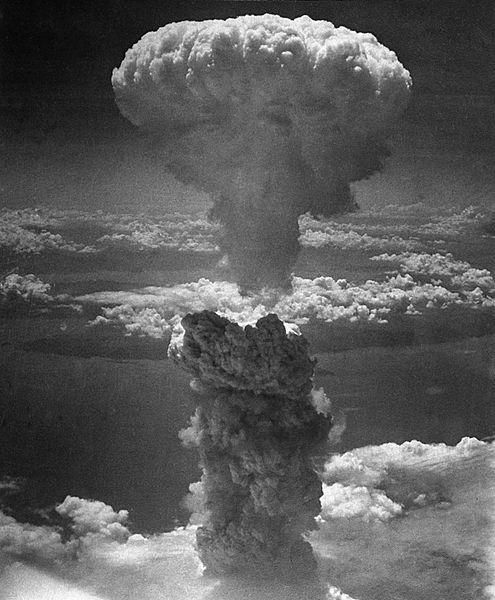
What If Hiroshima Did Not Force the Japanese to Surrender?
You may hear a lot this week that the bombing of Hiroshima was a turning point for humanity – the most important historic event of the 20th century, ushering in the nuclear age. From that moment on, 70 years ago, humans had to come to terms with the fact that we could cause our own devastation along with the majority of large species inhabiting this planet.
A breakthrough for Iranian fanatics
Iranian radicals who see themselves on the front line against Zionism and the Great Satan are on tenterhooks this summer. Iran, a weak middle-power country often itself isolated from the rest of the world, could succeed in dealing a huge blow to the credibility of the most powerful state on the planet, and with it the positive values it represents.
Iran Deal: Now We Must Change Direction
This nuclear deal is a good one for an international community that desperately needs strong assurance when it comes to nuclear non-proliferation.