
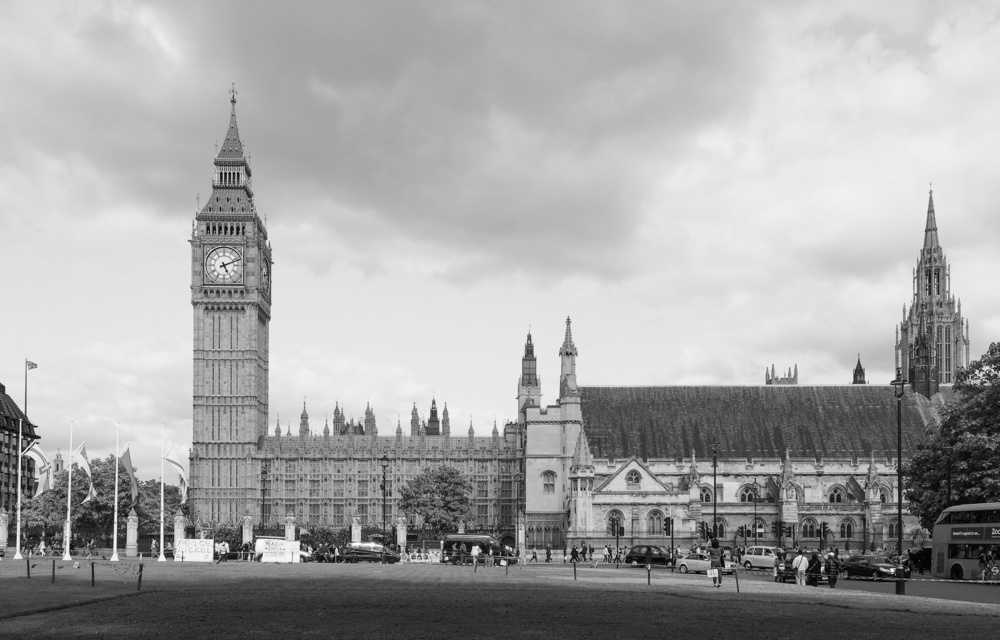
Trident's costs could be spiralling, as reported this week, though it may be too early to tell. Either way, the government is protecting this huge and most controversial military procurement project whilst deeply controversial welfare cuts are being debated. It is not considering cheaper alternatives even as the MoD itself suffers.
Programmes
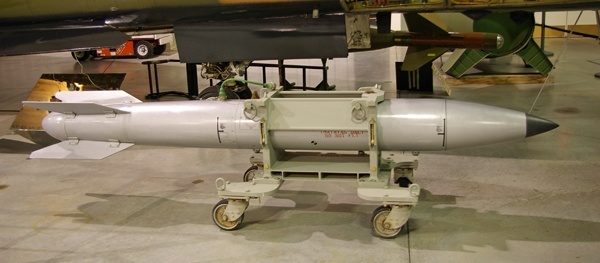
Hair Trigger Alert
Russian aircraft make intrusions into the air space of the Baltic states and skirt the air space of Britain. Russian bombers attack targets in Syria, and America is advised to keep its aircraft out of the way. Russia may have designs on the Baltic States, and is certainly playing a role in Syria. Possibilities arise of a clash that could lead to escalation.
Surviving nuclear zero: A fresh perspective on disarmament in the 21st century
Working with the British American Security Information Council (BASIC), UNA-UK hosted a thought experiment event entitled ‘Surviving Nuclear Zero’ to encourage nuclear experts and students to consider the value states attach to nuclear weapons from a new perspective. The project challenged participants to identify how a post-nuclear UK could protect itself and engage effectively in a world where others still possessed nuclear weapons and where grave threats remained.
Preventing an Iranian bomb: the case against threatening military action
As the Joint Comprehensive Plan of Action on Iran’s nuclear program moves into its implementation phase, many are watching with a careful eye to see if and how it will succeed. Western skeptics are undoubtedly waiting to say, “I told you so” if Iran gets caught red handed developing a nuclear weapon capability. Others may be worried about the future, ten years from now when some of the constraints imposed by the deal expire, and how we will contain Iranian ambitions at that point.
Reframing the Narratives on Nuclear Weapons for the Next Generation
It is a quarter of a century since the Cold War. Yet the debate over nuclear weapons has the shadow of that ideological struggle hanging over it, and investment decisions are being taken that will commit states to deploying nuclear weapons for half a century from now.
The state of the UK and European debates on nuclear weapons
On Thursday October 15th, BASIC and the Federation of American Scientists will hosted a joint discussion on the state of the UK and European nuclear weapons debates, and the importance of this in a global context.
Nuclear Weapons: FAQ
This factsheet outlines the answers some very frequently asked and core questions about nuclear weapons.…
Iran, the JCPoA and the Future of the Non-Proliferation Regime
The non-proliferation regime appears to have stagnated since the previous Review Conference in 2010. It involves deep complexity and relies upon shared norms, but these alone are insufficient for states to have the necessary confidence essential to its success.