
On Monday night, MPs voted 472 to 117 to replace UK’s Trident nuclear weapons system, following a five and half hour Parliamentary debate. The atmosphere was tense; the united SNP benches made an impassioned case against Trident from across the room, while the Conservatives all voted in favour, but for the Chair of the Foreign Affairs Select Committee who voted against the motion. Many arguments were aired both for and against Trident. But what kind of arguments did the MPs make?
Nuclear Arms Control and Disarmament
The UK and its Role in the World
The fifth of BASIC’s 2016 Parliamentary Briefing series relating to the Trident debate focuses on the UK’s role in multilateral nuclear disarmament.
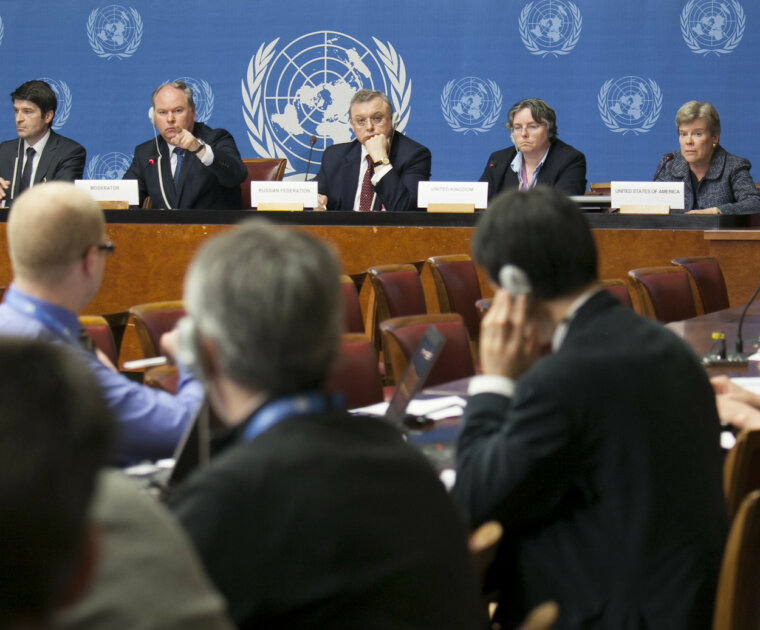
New Strategies for UK Leadership on Multilateral Nuclear Disarmament
The fourth of BASIC’s 2016 Parliamentary Briefing series relating to the Trident debate focuses on the UK’s role in multilateral nuclear disarmament.
European Leadership Network on the Successor SSBN
In the wake of the parliamentary vote over a potential Trident successor, Former Assistant Chief of Defence Staff in the Ministry of Defence, John Gower, cited BASIC's three year independent cross-party enquiry on the issue. Gower acknowledged the balanced and inclusive approach BASIC adopted when undertaking the research.
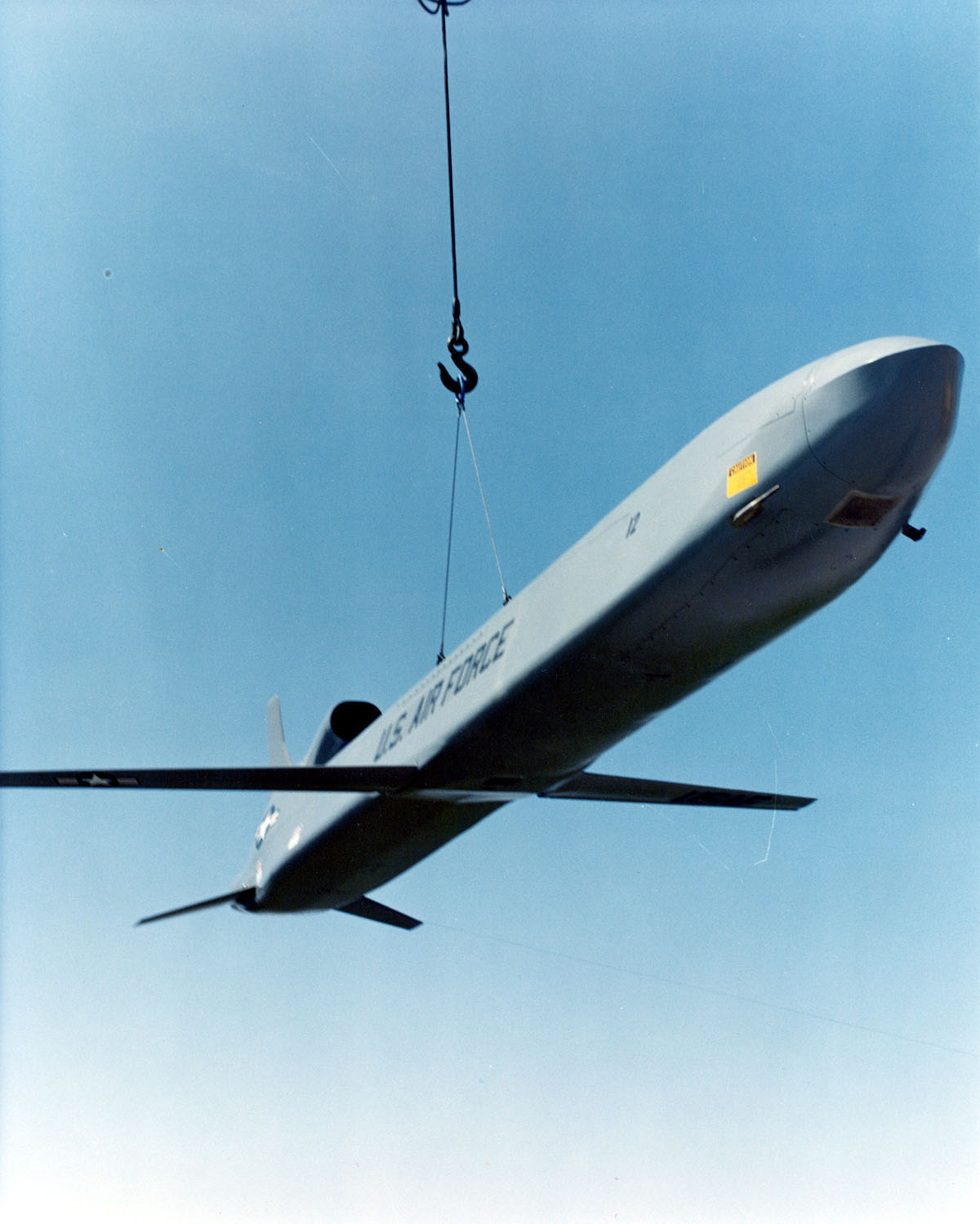
The LRSO: It’s Time for Arms Control
The Pentagon’s plans to acquire a new nuclear air-launched cruise missile (ALCM), known so far as the Long-Range Standoff Weapon (LRSO), remain live. On 16th June, the House of Representatives rejected an amendment to reduce funding for the development of the LRSO. If adopted, the cut would have slowed the development of the new weapon by three years, perhaps buying enough time to reconsider the wisdom behind the programme.
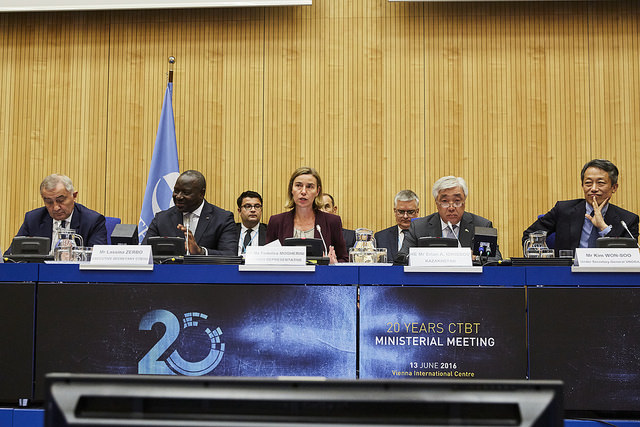
The role of the nuclear test ban as a non-proliferation and arms control instrument
The Comprehensive Nuclear-Test-Ban Treaty (CTBT) was agreed in 1996 after more than 2000 nuclear tests had left a lasting, poisonous legacy. The treaty’s negotiations had already contributed to the indefinite extension of the NPT the year before (having contributed to the failures of the 1980 and 1990 NPT Review Conferences). Confidence in arms control and disarmament was high, and nuclear arsenals were falling dramatically. Strategic relations were good. But things look very different today, with high levels of distrust and low confidence in achieving further disarmament progress.
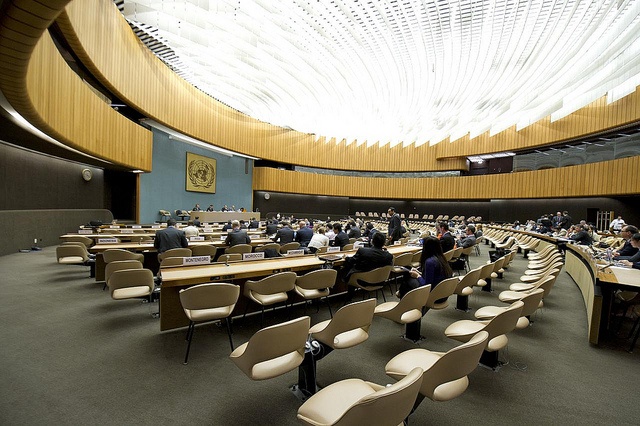
Moving the OEWG forward
Global multilateral nuclear disarmament has proven over the last 70 years to be a process characterised by stagnation, originating from a series of competing international interests.
Moving the OEWG forward
Global multilateral nuclear disarmament has proven over the last 70 years to be a process characterised by stagnation, originating from a series of competing international interests.