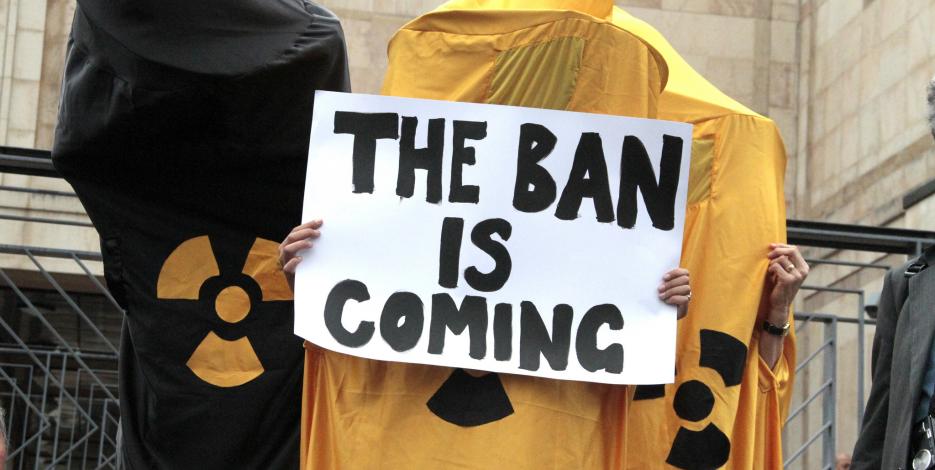
Deep dissatisfaction with the lack of progress in multilateral nuclear disarmament has led a large number of states within the international community to participate in a process to highlight the humanitarian impacts of nuclear weapons.
Nuclear Arms Control and Disarmament
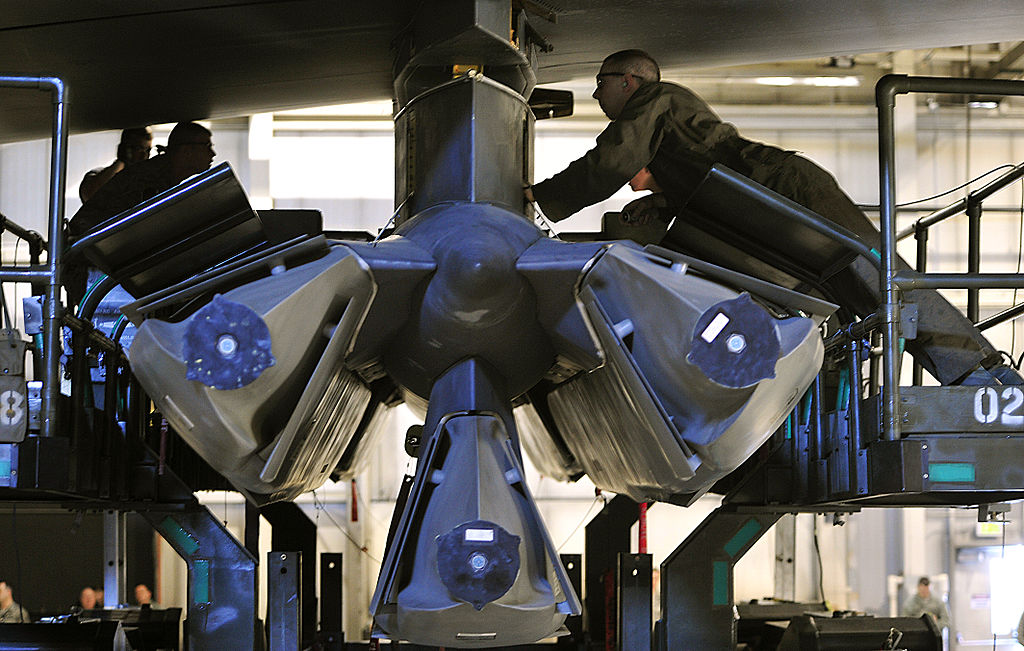
Understanding the New Arms Race
The stand-off between Russia and the West has prompted triggered fears of a renewed East-West. Amidst this climate of confrontation, nuclear weapons have regained some relevance for strategists on both sides, and political leaders have implied veiled nuclear threats.
Non-state actors & WMD: Does ISIS have a pathway to a nuclear weapon?
On March 2014, during the Nuclear Security Summit held in the Netherlands, President Obama identified his number one concern as being the prospect of a nuclear weapon going off in Manhattan. UK Home Secretary Theresa May pinpointed her particular fear of the so-called Islamic State (ISIS) acquisition of “chemical, biological or even nuclear weapons” in the “world’s first truly terrorist state”. Fortunately, there has not yet been a nuclear or radiological terrorist attack, but the smuggling of nuclear material remains a pivotal threat to nuclear security.

The 2016 Nuclear Security Summit Returns to Washington
In his 2009 speech in Prague, President Obama described the threat of terrorists acquiring nuclear weapons as the “most immediate and extreme threat to global security”. Setting the bar high, he also announced the start of a global summit process that would focus on the security of nuclear materials from the threat of theft and terrorism in and work “to secure all vulnerable nuclear material around the world within four years”.
International Cooperation over North Korea: Possibilities and Limitations for Russia
North Korea’s fourth nuclear test followed by an orbital rocket launch has presented the Russian Federation with another opportunity to find common ground with other global powers and demonstrate leadership in international affairs.
2016 OEWG: Polarisation in Perspective
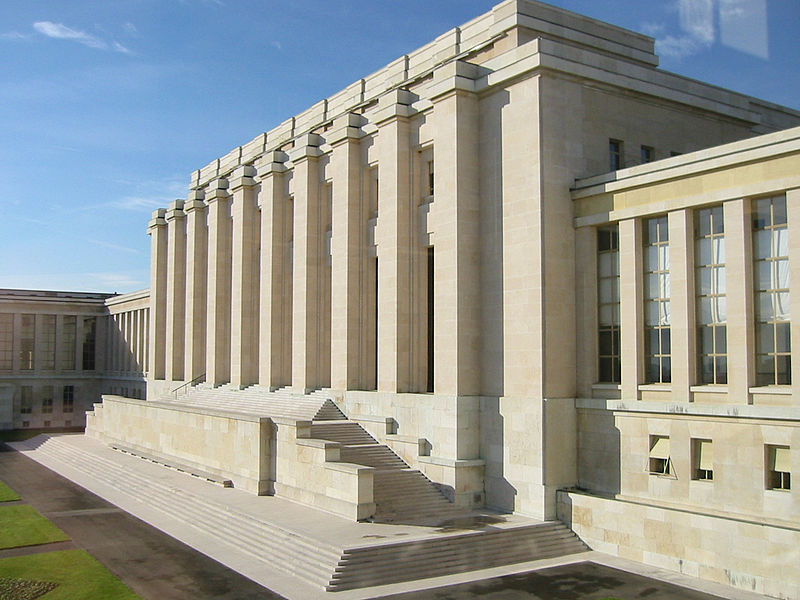
Discussions about the feasibility and necessity of a legal ban on nuclear weapons took centre stage at the first session of the United Nation’s Open-Ended Working Group on taking forward multilateral nuclear disarmament.
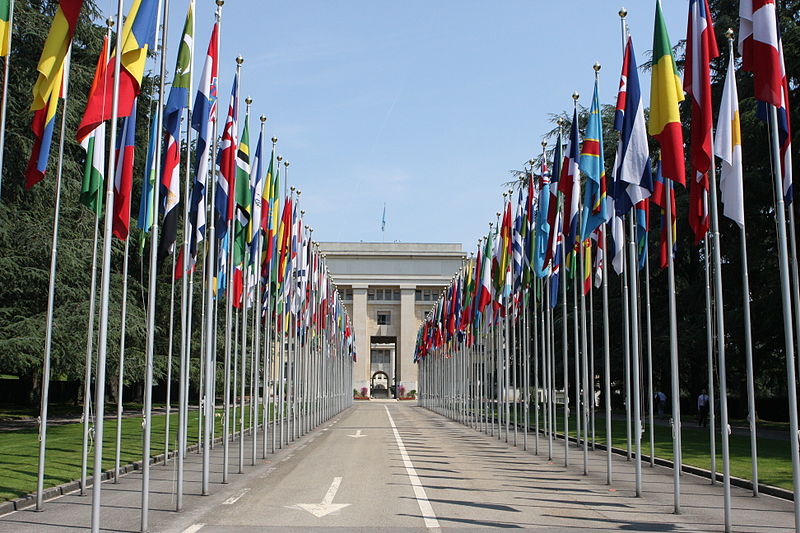
The OEWG is taking multilateral nuclear disarmament negotiations forward
The new Open-ended Working Group (OEWG), established in United Nations General Assembly Resolution 70/33 adopted in December 2015, opened on 22 February in Geneva. It will meet over the course of 15 working days in February, May and August of 2016 and submit a final report in October.
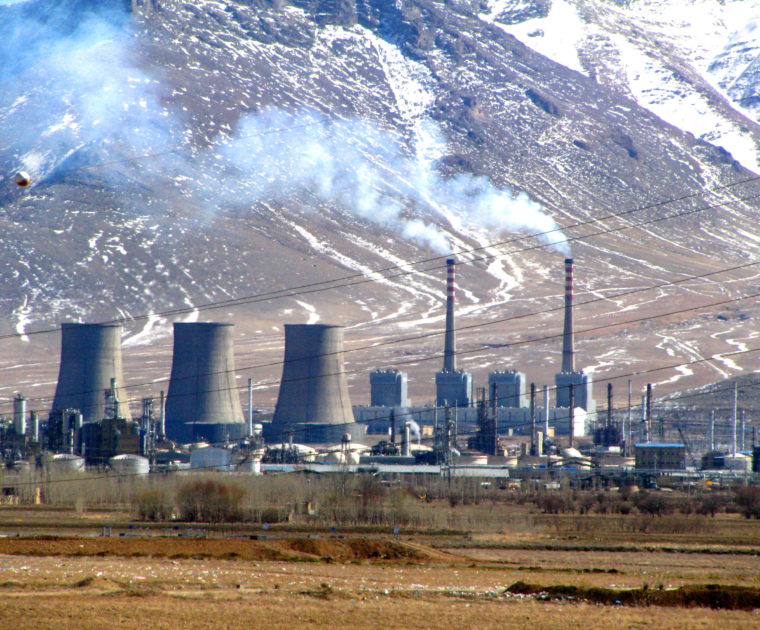
What next after the Iran Nuclear Deal?
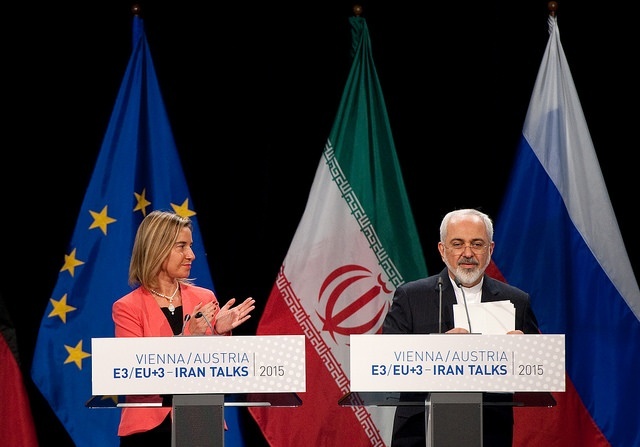
The Iran nuclear deal is seen by many as a success for international relations and security. Implementation Day (16th January) came after years of intensive negotiations. Iran has reduced activities that could have been used to develop nuclear weapon capabilities and the E3+3 has responded by lifting many of its sanctions. There remain severe doubts and enemies of the deal in the United States, Iran and neighbouring states. There are likely to be developments in the region that could put the agreement under further pressure.