Negotiating parties in the E3+3 process meet again this Wednesday in Geneva to hammer out an initial agreement on specific limits to Iran’s nuclear program in return for limited sanctions relief. The last time the parties met just over a week ago hopes were high, but an early deal was blocked by France.
Content Type
Cost and benefits to US strategic interests from UK renewal of Trident
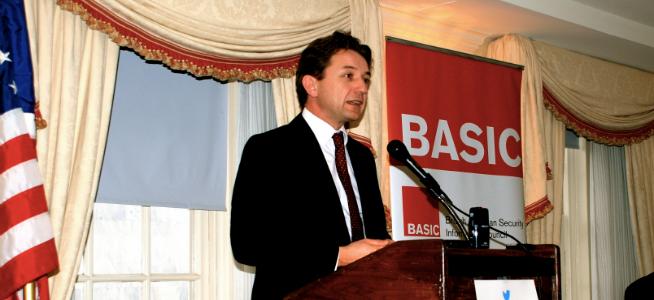
BASIC’s last Strategic Dialogue on nuclear weapons was held on November 12 in Washington, DC.
Gambling with our security?
Our calculations about risk are not always rational. Many people are more afraid of a shark attack or plane crash than they are about driving a car or crossing the street. Statistically, the latter two are far more dangerous but, somehow, the familiarity of driving and a sense of control make the risks feel lower.
P5+1 and Iran: finding common ground?
This week, representatives of Iran and the P5+1 (China, France, Russia, the United Kingdom, and the United States; plus Germany), also known as the E3+3, will meet in Geneva on Thursday and Friday in an attempt to make progress on resolving the standoff over Iran’s nuclear program. Anticipation is now building for some clear signs that each side is agreeing to measures that will convince the other side of intentions to follow through on a long-term game plan.
US-UK Trident Nuclear Weapons Systems
This factsheet outlines the UK-US relationship on Trident and the specifications of each country’s systems.…
The Role of NATO in the French White Paper and Implications for Nuclear Arms Control
This paper examines the relationship that France has with NATO through its policy of nuclear deterrence in a European context, with a focus on France’s most recent “White Paper”.
Steps on the way forward to a WMD-Free Zone in the Middle East
On October 29th, 2013, BASIC hosted a small group of academics and experts on and from the Middle East region for a private roundtable in Washington, D.C. on the current challenges surrounding a WMD–free zone in the Middle East. This paper highlights the key points discussed.
Russia’s Multi-vector Nuclear Policy: a Hindrance to Disarmament
Today, Russia and the US possess approximately 95% of the world’s nuclear weapons, and bilateral nuclear relations between these two countries still constitute one of the main issues in global nuclear disarmament.