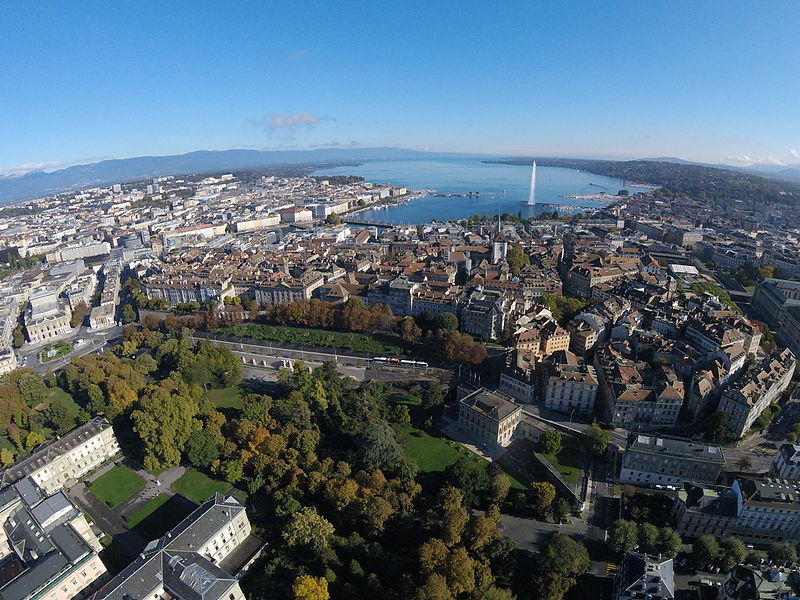
On June 24-25, representatives from Middle Eastern states, including Israel and Egypt, will meet in Geneva for the second time in the past two months to discuss the modalities and possible outcomes of the postponed 2012 Helsinki conference on the establishment of a Middle East zone free of nuclear weapons and other weapons of mass destruction (WMD).
Content Type
Let’s Call It a Bargaining Chip
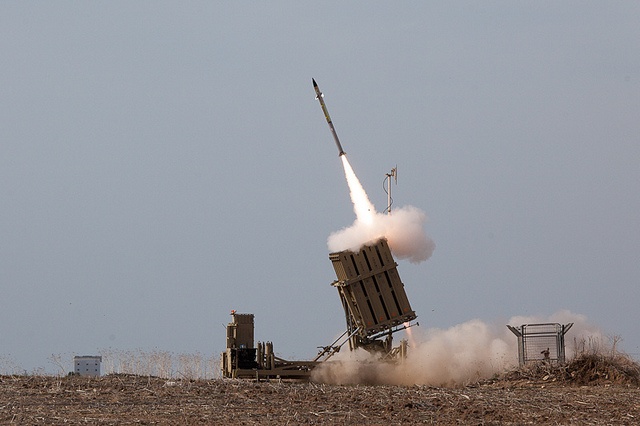
Referring to Israel’s nuclear program as a bargaining chip is not a breakthrough idea. Scholars have argued before that in lieu of having a “deterrence policy that does not deter,” Israel might perceive its nuclear arsenal as a bargaining chip to negotiate with its Arab counterparts over regional security issues, including around a WMD-free zone in the Middle East.
The case for complexity
Football, the modern-day opiate of the masses, is a simple passionate game of two teams and one simple, generally zero-sum result. We have a winner and loser; even drawn matches contribute to victory and defeat in the tournament. In attempting to make meaning out of the complexity of regional and sub-regional conflict by reducing it to the binaries of the football pitch, we often make monumental errors.
Alternative proliferation methods? The nuclear fuel cycle and hydrodynamic testing
Nuclear security, that is, the protection of nuclear materials, technology, and knowledge, is an ever changing field in which academics, policy makers and industry representatives must be forever vigilant for potential new forms of proliferation and security challenges.
NATO: Slipping Into Confrontation
NATO defense ministers met in Brussels to discuss the Afghanistan withdrawal and Russia’s actions in Crimea and Ukraine. There are calls for stronger security assurances within the alliance, especially from countries near Russia. President Obama has pledged increased US military presence in Europe. However, NATO’s role remains focused on military rather than cooperative security strategies, which heightens tensions with Russia. This approach risks moving towards a competitive relationship rather than fostering mutual security.
Going back to the Six-Party Talks, is there any hope?
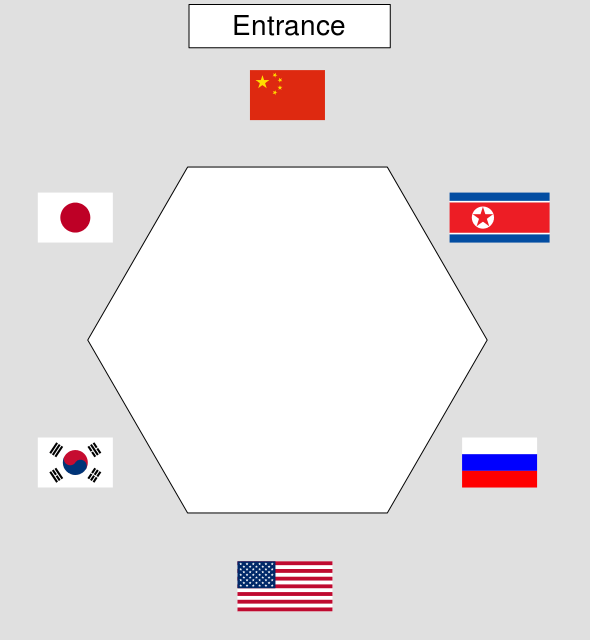
North Korea’s nuclear weapons program has given rise to much debate on the security challenges that it brings to the international system. Its deployment of ballistic missiles and testing of nuclear devices (2006, 2009, and 2013) have alarmed states around the world, and posed dangers and threats to the region. In fact, recent activity at North Korea’s nuclear facility has given rise to new concerns about the possibility of a fourth nuclear test.
The Experience of Nuclear Weapon-Free Zones
This report examines nuclear weapon-free zones and the lessons-learned that could be applied to the issue of tactical nuclear weapons currently based in Europe. The report was originally a background paper for the SWP-BASIC workshop on: “Non-Strategic Nuclear Weapons in Europe: Transparency and Confidence-Building Measures in Practice”, Berlin 27-28 March 2014.
Bumps on the road to Helsinki: Will we ever get there?
Eleven months before the 2015 NPT Review Conference is convened, there is still no sign that the Helsinki conference on the establishment of the WMD-free zone in the Middle East will be held. In what seemed to be a glimmer of hope in Geneva on May 14-15, the conference’s facilitator, co-conveners and future state parties to the zone met to discuss the conference’s modalities.