
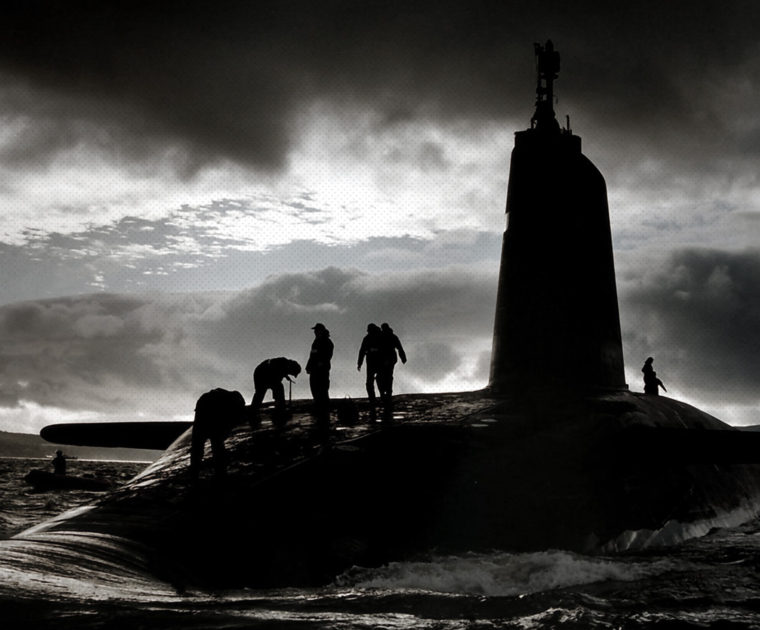
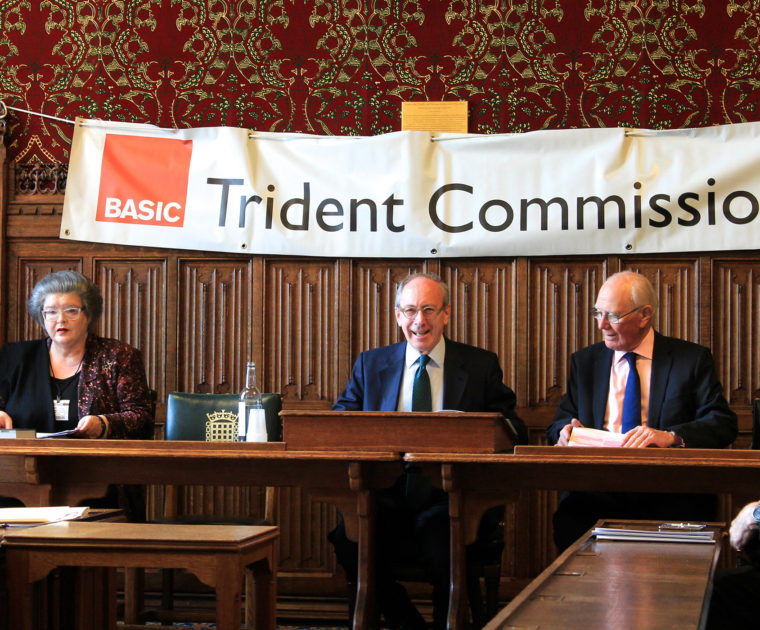
BASIC set up the Trident Commission in 2011 as an inquiry into Britain’s nuclear weapon policy. Its final report, published today, represents the collective views of the eight Commission members after engaging in an intense three-year process. The primary purpose of this report is to contribute to an informed and deeper debate on Trident renewal that focuses on national security in its widest sense. We are experiencing rapid strategic change in this century and the relevance of our major defence investments to tomorrow’s threats must be analysed across a wide range of considerations.
Content Type
A BASIC Guide to Interpreting the Trident Commission’s Concluding Report
BASIC has published its own guide to help interpret the Trident Commission’s concluding report. It draws out the principal messages, and some of the disagreements between the Commission members.
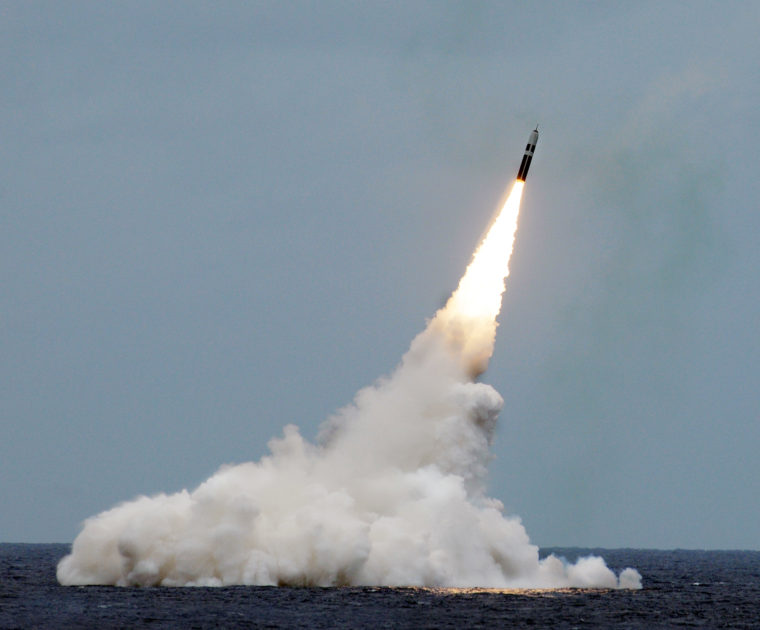
Background Briefing Papers to the Trident Commission Concluding Report
This collection of background papers is published on the same day as the final report from the Commission and can be read alongside it. They are not representative of the views of the Commission but rather of the authors that submitted them. They have fed into the Commission’s deliberations and have been affected by them.
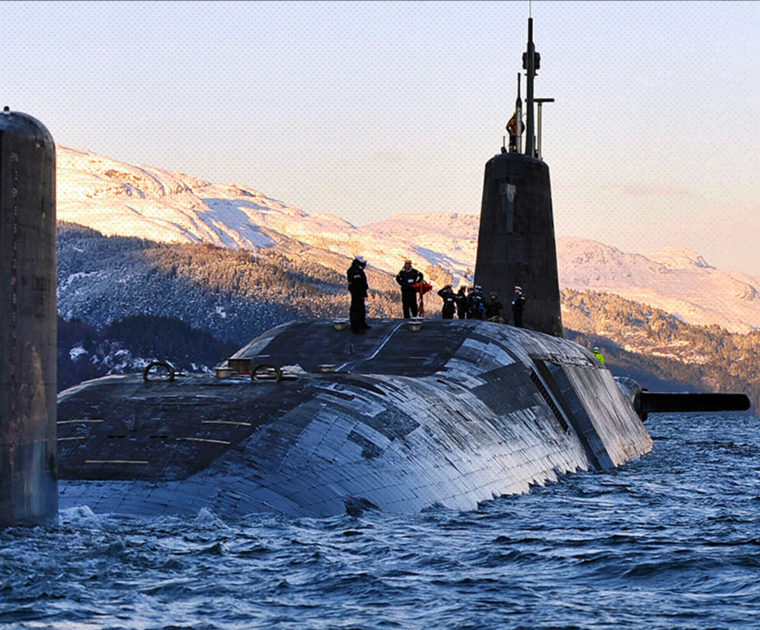
The Trident Commission: Concluding Report
The concluding report from the Trident Commission is aimed to contribute to an informed and deeper debate on Trident renewal that focuses on national security in its widest sense.
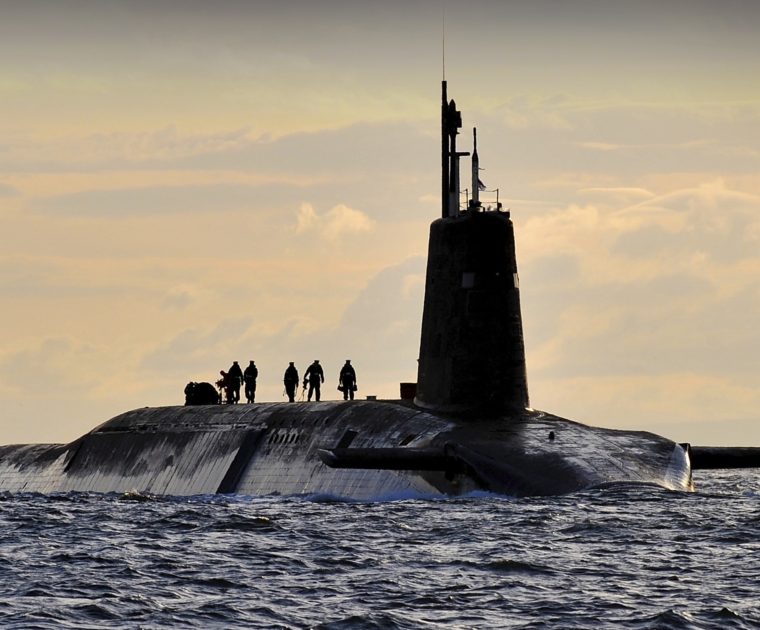
Behind the Trident Commission Report
The village of Westminster is failing the UK public over Britain’s nuclear weapons policy at this most critical of moments. The Scots are about to vote on whether to leave a Union that is supposedly defended by Trident, and yet Trident is currently the most potent symbol for the SNP of what they claim is wrong with the Union. And the government in London is two years away from a final decision on whether to replace the nuclear weapon system.

Keeping Trident ‘Stops Nuclear Blackmail,’ Claims Cross-Party Commission
he Trident Commission, spearheaded by BASIC, launched its concluding report on July 1st, and it is expected to add significant value to the debate on whether or not to keep Britain’s nuclear deterrent.
The Nuclear Weapon as a Symbol
Being the most powerful and destructive weapon ever conceived by human beings, able to annihilate entire populations, the nuclear weapon is a powerful symbol with multiple dimensions.