
BASIC and N Square Collaborative are co-hosting a unique open-ended workshop in San Francisco: an exploration of issues surrounding nuclear security, nuclear deterrence and international governance with a diverse group of participants. This is the concluding part of a project funded by the Carnegie Corporation of New York looking at methods of reframing nuclear security issues in holistic, systems perspectives.
Analysis
Celebrating Alyson Bailes
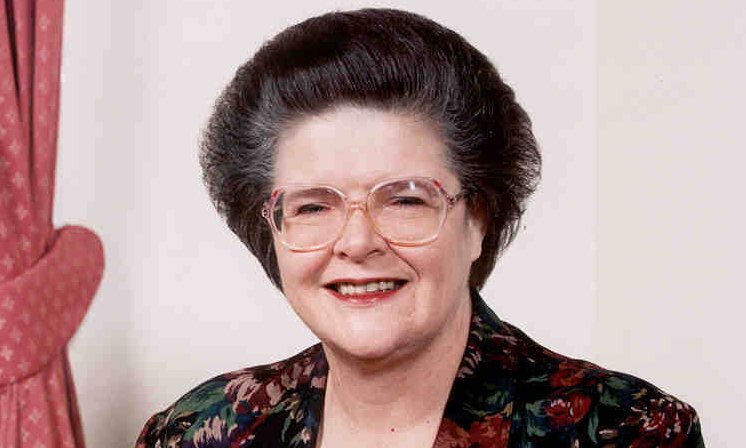
Our former colleague and friend Alyson Bailes died on Friday 29th April, after an extended fight against cancer over the last decade.
Trident Advocates Target the Air-Launched Option
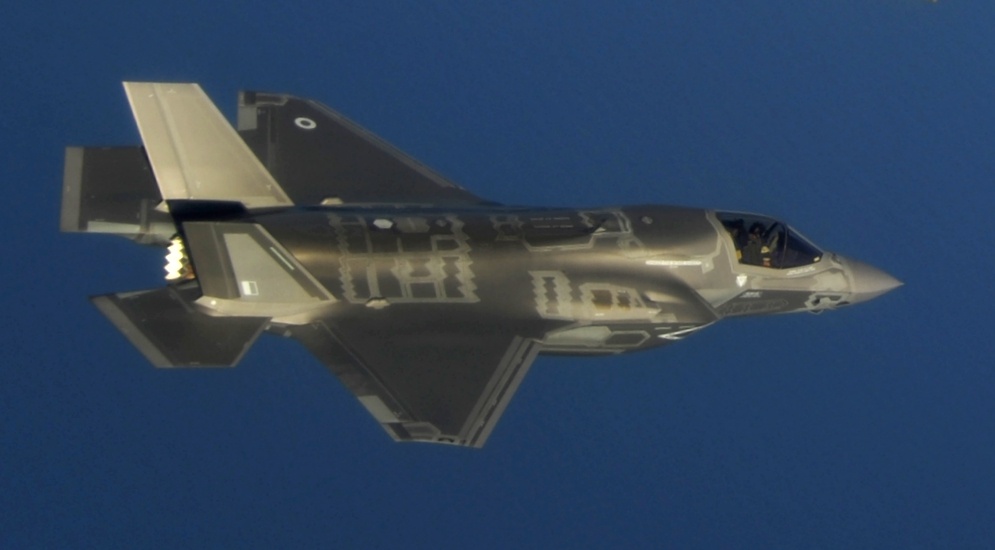
As Emily Thornberry, Shadow Defence Secretary, closes the consultation period on her defence review, critics of the review have been engaging on the substance. They worry that minds currently are just a little too open to alternatives for comfort, and that a non-Trident alternative could become Labour policy.
Price tag on Trident nuclear missile fleet still unknown but rising
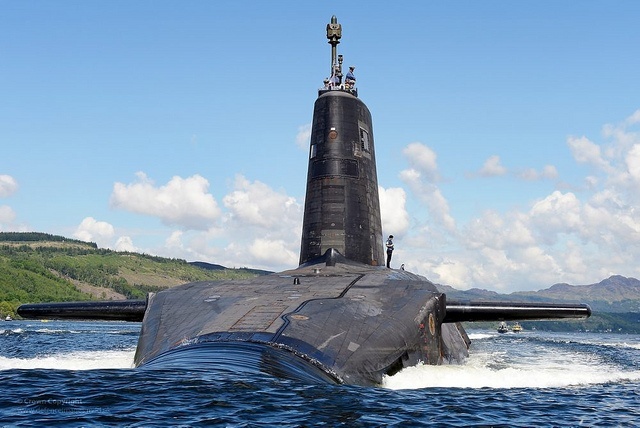
Richard Norton-Taylor has written an article for the Guardian on April 26th about the rising costs of Trident and has cited BASIC’s input into the ongoing financial debate.
SNP MP blasts Trident ‘factsheet’ as short on facts
Andrew Learmonth from the National wrote an article outlining the criticisms of SNP MP, Kirsten Oswald, regarding a recently published factsheet by the UK Government on Trident. The article goes on to cite BASIC in outlining the projected costs of Trident renewal, and pulls quotes directly from a recent publication written by Dr. Nick Ritchie.
Feeding the ‘Monster’: Escalating Capital Costs for the Trident Successor Programme
In October 2015 Jon Thomson, Permanent Under Secretary at the Ministry of Defence, described the Trident Successor programme as a “monster” that kept him up at night, “the biggest project the Ministry of Defence will ever take on” and “an incredibly complicated area in which to try to estimate future costs.”
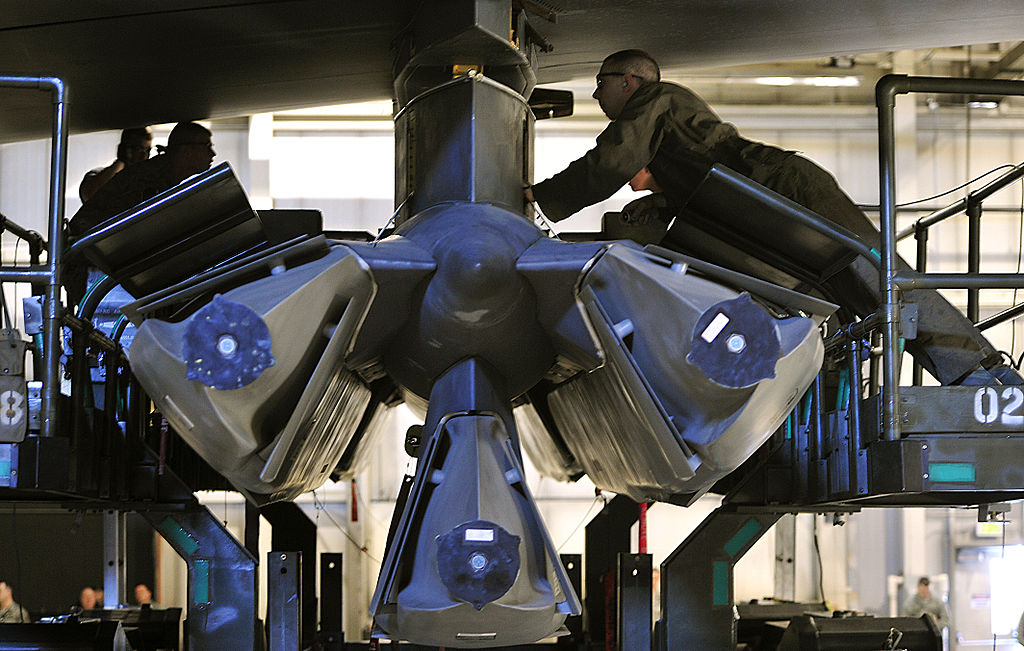
Understanding the New Arms Race
The stand-off between Russia and the West has prompted triggered fears of a renewed East-West. Amidst this climate of confrontation, nuclear weapons have regained some relevance for strategists on both sides, and political leaders have implied veiled nuclear threats.

Non-state actors & WMD: Does ISIS have a pathway to a nuclear weapon?
On March 2014, during the Nuclear Security Summit held in the Netherlands, President Obama identified his number one concern as being the prospect of a nuclear weapon going off in Manhattan. UK Home Secretary Theresa May pinpointed her particular fear of the so-called Islamic State (ISIS) acquisition of “chemical, biological or even nuclear weapons” in the “world’s first truly terrorist state”. Fortunately, there has not yet been a nuclear or radiological terrorist attack, but the smuggling of nuclear material remains a pivotal threat to nuclear security.