Warsaw
BASIC/ACA/PISM Warsaw roundtable on NATO’s nuclear posture, 5-6 July
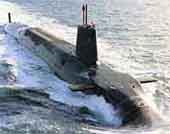
It is time to reassess options for the replacement of the Trident nuclear missile submarines in the light of indications that the capital cost, to be funded from the Defence Ministry's core budget, could run to 28 billion pounds over the next 10-15 years. But Paul Ingram and Nick Ritchie also argue that it would be a mistake to base a decision on cost alone.
Click the “Full article (PDF)” button below to read the report.
Related publication:
This Washington Post article by Mary Beth Sheridan recounts how the United States has lost the ability to peek into the Russian nuclear arsenal because the first Strategic Arms Reduction Treaty (START), along with its accompanying verification measures, expired without a replacement in force.
Read the full article:
“In the last few weeks, watching the Senate Foreign Relations Committee hearings on New START unfold, I have sometimes felt like shouting out 'Senators, get a world view,' because in the minutiae of 18 public hearings, the bigger picture has been lost.”
Excerpt from article by BASIC Program Director Anne Penketh, written for The Hill's Congress Blog.
Read the full article:
The reasons for the impasse over Iran's nuclear program go beyond current debates on nuclear non-proliferation, sanctions, and threats of military action. This paper reviews the causes of the impasse from a broader perspective and also surveys the motives of Brazil and Turkey to engage in the diplomacy surrounding Iran's nuclear program.
“I think the whole point of what Admiral Mullen said over the weekend was to tell the Iranians that actually the Americans mean business. Otherwise, if you look at the timeline, we are not talking about any kind of military action anytime soon.”
BASIC Program Director Anne Penketh interviewed by RT News. Read more and watch video:
http://rt.com/Top_News/2010-08-02/usa-behaves-irrationally-iran.html?fullstory