

Over 2024/2025, BASIC’s Nuclear Responsibilities Programme ran the project ‘Addressing Emerging Nuclear Risks to Crisis Prevention and Management in South Asia Through a Responsibility-Based Approach’.
Search Results for: press

The India-Pakistan Pulwama-Balakot Crisis Six Years On
Six years ago this month, India and Pakistan were emerging out of a deep crisis…

Dave Cullen
Dave Cullen is a Policy Fellow at BASIC and Programme Manager of our Emerging Voices Network.
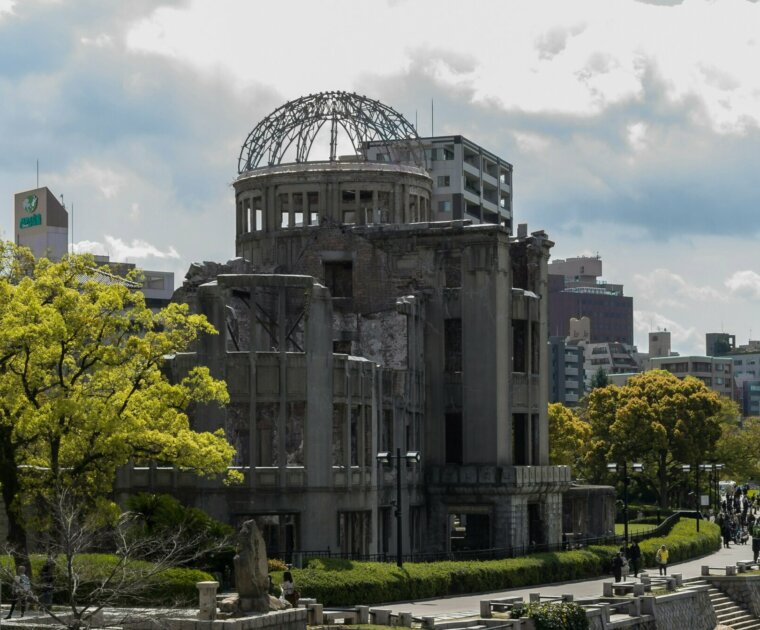
Announcement: BASIC Launches the NPT Monitor Project
BASIC is pleased to announce the Nuclear Non-Proliferation Treaty (NPT) Monitor, a new project being developed by our Non-Proliferation and Disarmament Programme.
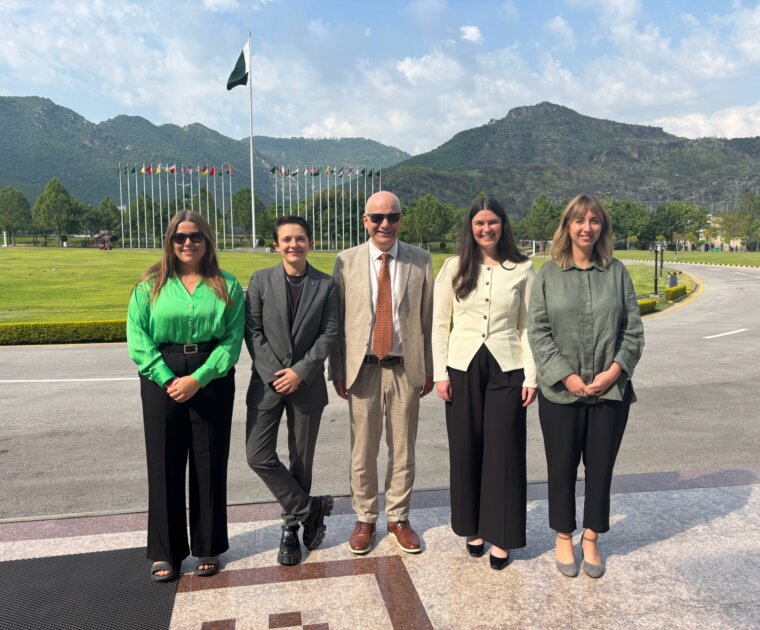
Reflections from BASIC’s Trip to Islamabad
In October 2024, BASIC Policy Fellows visited Islamabad to engage with esteemed institutions on crisis management in South Asia and the impact of Emerging and Disruptive Technologies (EDTs) on security.
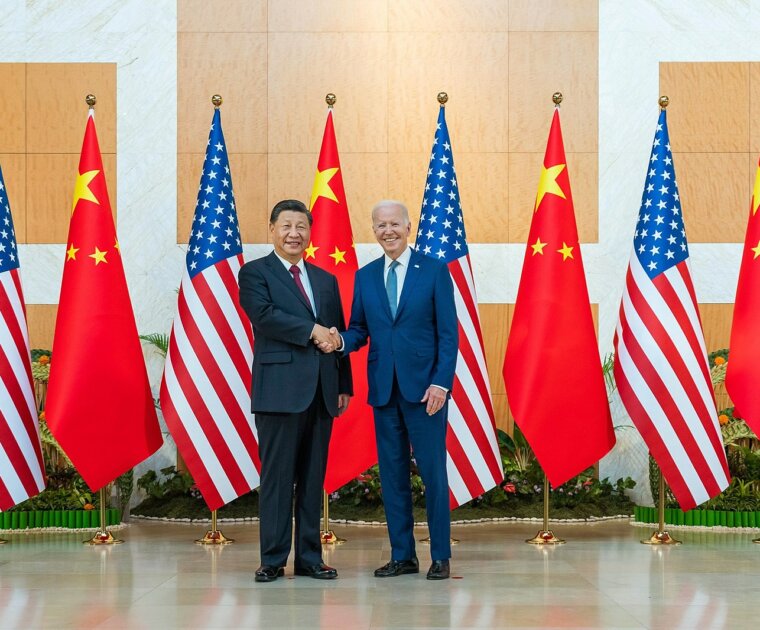
Applying the Nuclear Responsibilities Approach to Sino-US Arms Control Dialogues
Syed Ali Zia Jaffery, Deputy Director at CSSPR, writes on Applying the Nuclear Responsibilities Approach to Sino-US Arms Control Dialogues.

Vacancy: Senior Policy Fellow, Programme Manager
Terms: full time; 3 year contract Salary: £44,000 – £55,000 depending on experience Location: Remote…
Vacancy: Policy Fellow, Project Manager
Terms: full time; 3 year contract Salary: £36,400 – 46,000 Location: Remote working, with the…