The year 2013 has not been an easy one for President Barack Obama. A formerly friendly media has started to ask hard questions, his supporters on the left accuse him of following the policy pathways of George W. Bush, and the right excoriates him for, well, living.
Search Results for: press
Looking beyond the U.S.- Russia stalemate
The decision last week to cancel President Obama’s September meeting in Russia with President Putin sparked a wave of questions among policy watchers.
BASIC News Spring-Summer 2013
BASIC closely monitored developments coming out of the recently released Trident Alternatives Review and continued to facilitate the final term of the Trident Commission. President Barack Obama’s speech in Berlin provided additional impetus for BASIC’s continuing engagement on U.S. and NATO nuclear posture issues. With ongoing uncertainties in the Middle East, BASIC followed the recent regime change in Egypt and has explored options for future work in the region.
Summary of Roundtable Discussion on “NATO’s Future Nuclear Posture”
This paper highlights the main themes arising from a roundtable discussion held on July 25th, 2013 in Washington, D.C., which brought a small group of experts together with representatives from a number of NATO member states to discuss the future of NATO’s nuclear posture and engagement with Russia on arms control and nuclear weapons.
Fighting a prevailing Cold War mentality
The US Congress is entering its home stretch this week, as it works its way through five more hot and humid days before its month-long summer recess begins on Friday. Likewise, in Europe, many institutions have already wound down for their traditional August break. This is a chance to step out of the political fray, take stock and refocus.
Time for Action in Iran
U.S. President Barack Obama pledged to change a great number of things in his first election campaign 2008, and among them was bringing peace to the Middle East. Long neglected during his first Presidential term, it seems that now, at last, Israeli-Palestinian relations may be rising to a higher level of political salience.
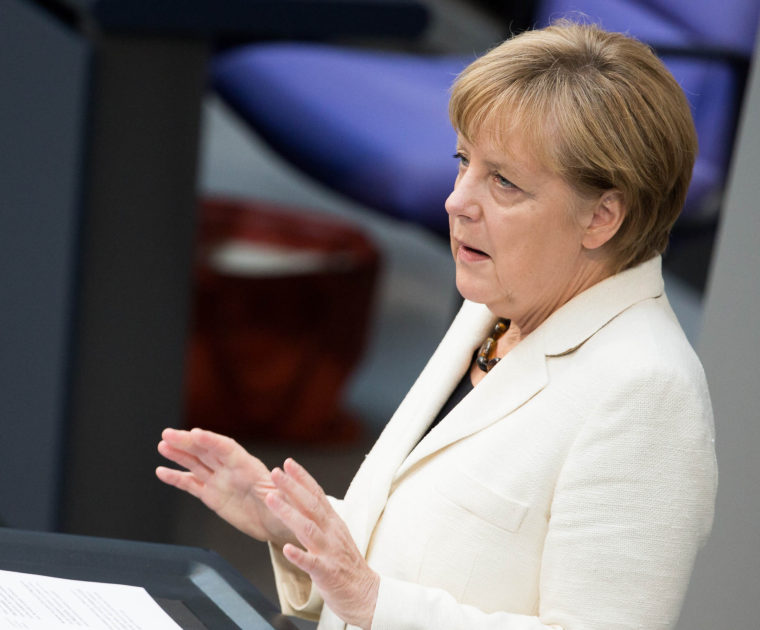
Rethinking Nuclear Deterrence and Burden-Sharing
On Friday, BASIC brings together Oliver Meier (Germany) and François Rivasseau (France) to discuss extended deterrence and NATO nuclear burden-sharing as a part of our ongoing Strategic Dialogue series at the Capitol Hill Club in Washington, D.C.
The British Trident debate: an opportunity for progress?
Whether you support or oppose them, nuclear weapons have become an entrenched part of the British security discussion, with periods of major debate – in the 1960s and 1980s especially – leaving a lasting impact on the national psyche. But it’s rare that we have the chance to see governments – in the UK or elsewhere – step back and engage in truly forward-thinking, public consideration of why that is the case, and what the alternatives might be. This could be one of those moments for the UK. Could. Whether it will or not, remains to be seen.