
The debate within expert communities over nuclear deterrence and disarmament can be infuriatingly complex and unrelated to the decisions taken in a political context. Disarmament is often dismissed by commentators in both arenas as naive and dangerous, yet it is at root about a cooperative search for security.
Search Results for: press
Report: The Impact of Emerging Technologies on the Future of SSBNs
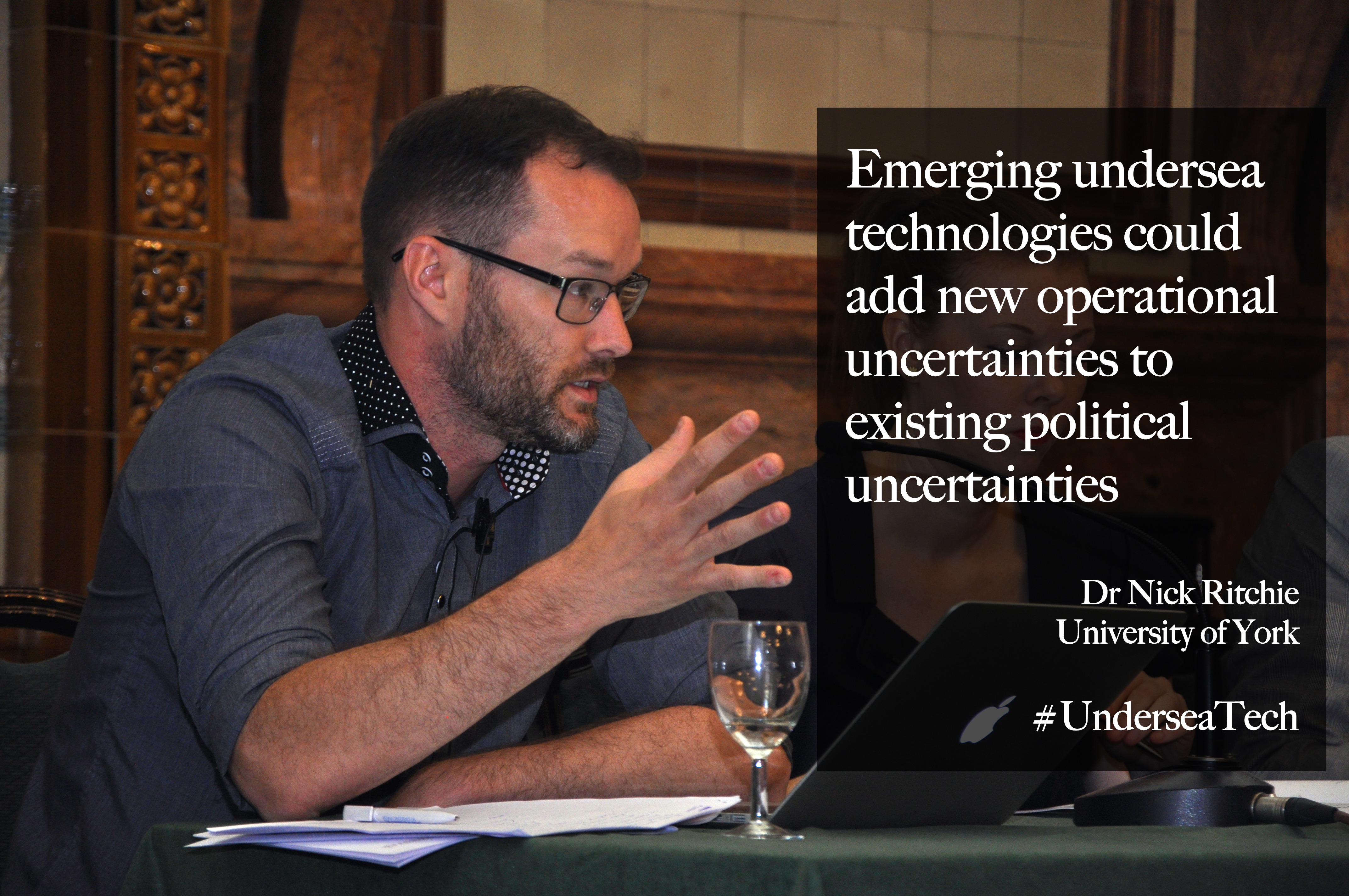
On the 13th September, BASIC, British Pugwash and the University of Leicester hosted a conference at the National Liberal Club, London on emerging undersea technologies and how they could affect the operation of ballistic missile submarines (SSBNs).
To Fix North Korea, Start with Syria
When North Korea launched a nuclear test on 9 September – its fifth so far – it was making a clear statement to the international community of its intentions to continue to pursue full nuclear capability.
The Russia Factor in US Policy Toward North Korea
North Korea's fifth nuclear test indicates that the country has not relented in its march toward greater nuclear capabilities. Citing the ostensible ineffectiveness of current American policy, several figures in Washington are calling for changes in the US's handling of the North Korean nuclear crisis.
The 2016 OEWG Conference Advocates for Prohibition Treaty
This analysis is based on the fourth draft of the OEWG report, found here.
Clarifying Command on US Nuclear Weapons
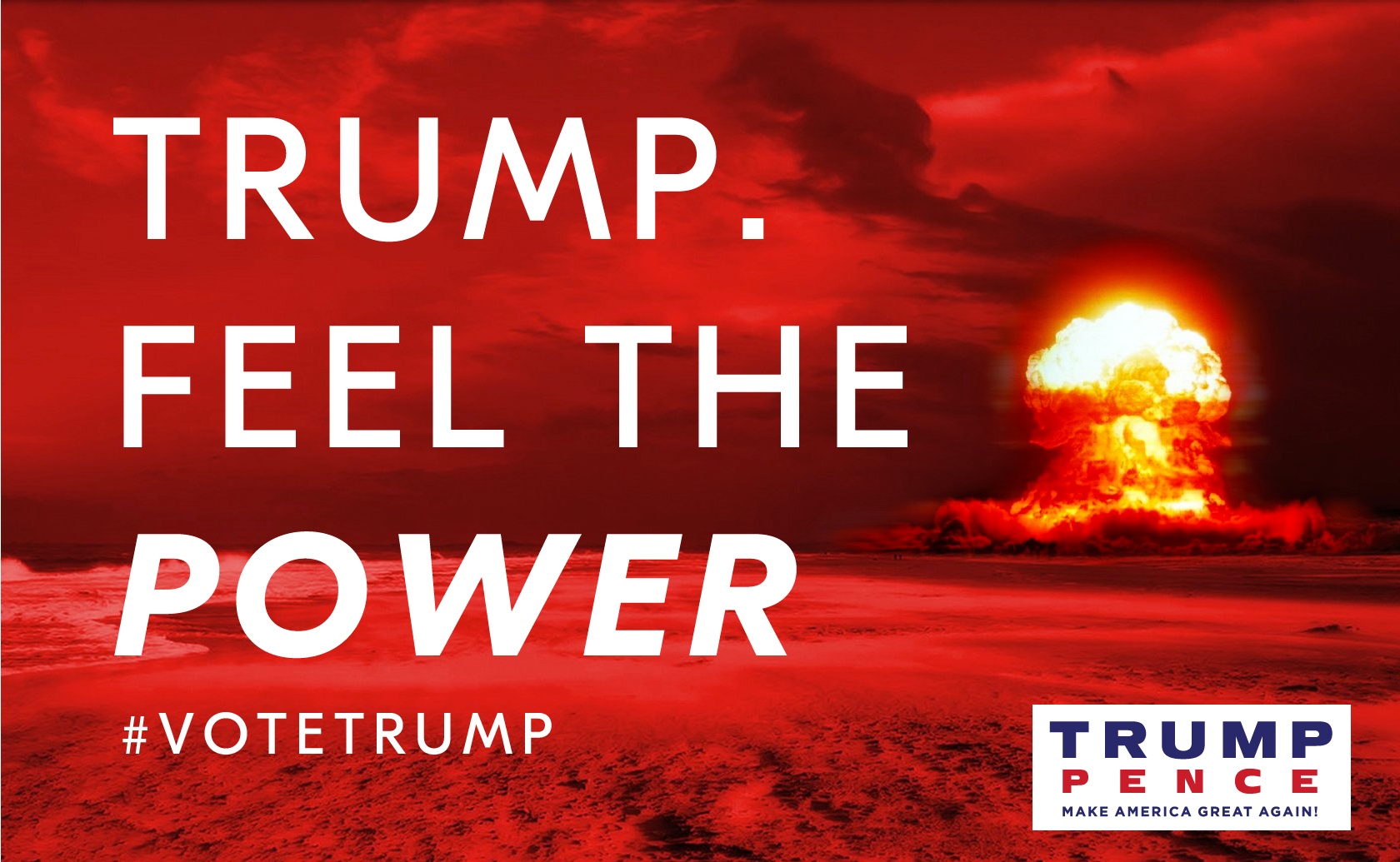
Here’s a terrifying prospect: President Donald Trump with his finger on the nuclear button. This erratic narcissist with little knowledge of the world and, according to his former ghost writer, an attention span of five minutes, with the power to set off a nuclear war. This seems unlikely to come about now, with Trump trailing in the polls, but the election is some way off and it cannot be ruled out.
Monday’s Trident Debate: What was mentioned, what was left out?
On Monday night, MPs voted 472 to 117 to replace UK’s Trident nuclear weapons system, following a five and half hour Parliamentary debate. The atmosphere was tense; the united SNP benches made an impassioned case against Trident from across the room, while the Conservatives all voted in favour, but for the Chair of the Foreign Affairs Select Committee who voted against the motion. Many arguments were aired both for and against Trident. But what kind of arguments did the MPs make?
Trident Wrapped Up?
It is a mystery why Cameron and then May took Trident to a vote yesterday. OK, so it’s nice to start off with a good strong issue that delivers a comfortable government majority, unites the Party and splits the opposition. But it risks slaughtering the goose that had just kept laying those golden eggs.