
The Independent’s Cole Moreton wrote an article about what the future holds for the UK’s nuclear submarines in terms of political debate and construction timeline.
Search Results for: news
Trident: A Done Deal?
Trident is in the news again, and will continue to generate heat in the run up to a parliamentary debate promised later this year on the programme and patrolling posture. But the outcome is clear, pre-determined in the minds of the political elite and to some extent in contractual and diplomatic commitments. For now. Could the equation change in the next parliament? The momentum behind the project appears unstoppable, but beware unexpected shocks before coming to a firm conclusion.
New Study Says Next Generation Remains Oblivious to Nuclear Dangers
In-DepthNews covered the release of the final report from BASIC’s next generation project.
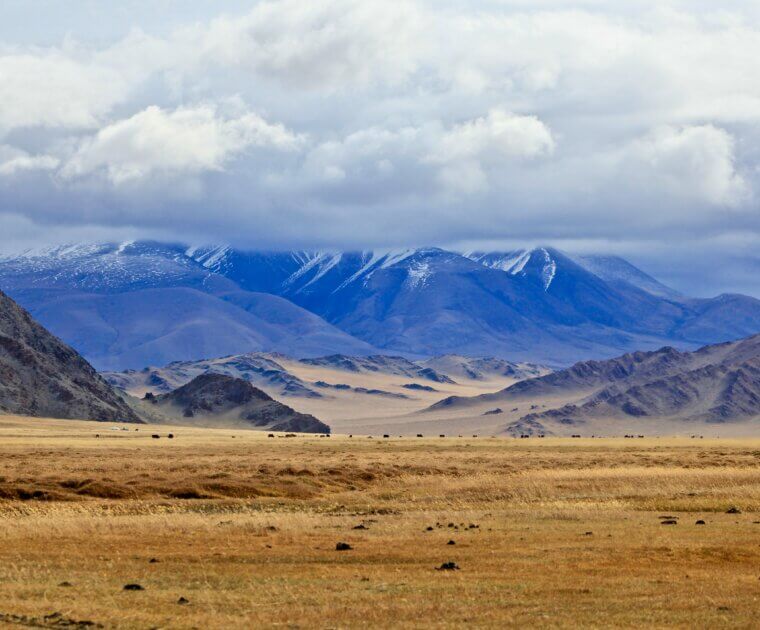
Nuclear-free Mongolia: A Model for Northeast Asia?
For some countries, the response to grave feelings of national vulnerability has been the acquisition of nuclear weapons. Yet the global disarmament movement, and, specifically, advocates for denuclearisation in Northeast Asia have an unlikely yet powerful model of hope – Mongolia.
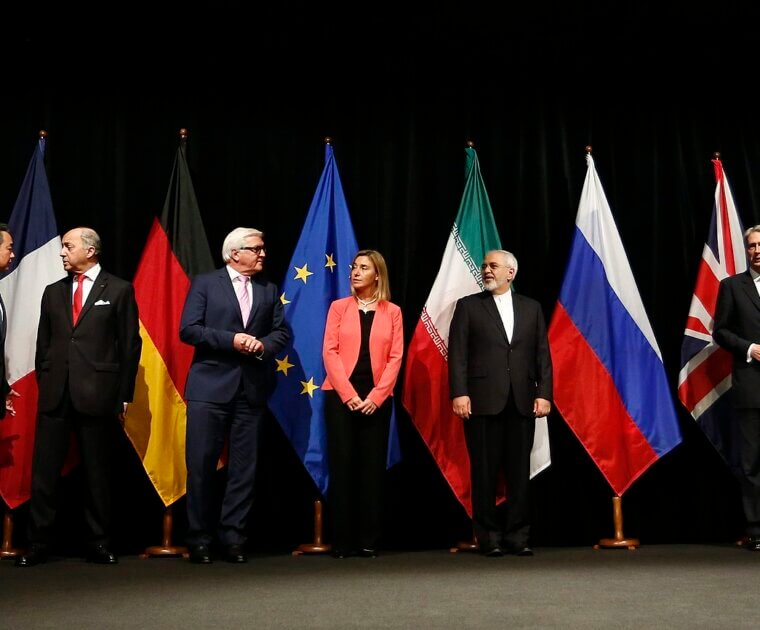
Is Iran’s ‘Implementation Day’ imminent?
Paul Ingram was interviewed on The Newsmakers Programme on TRT World News to discuss the implementation of the Iran nuclear deal.
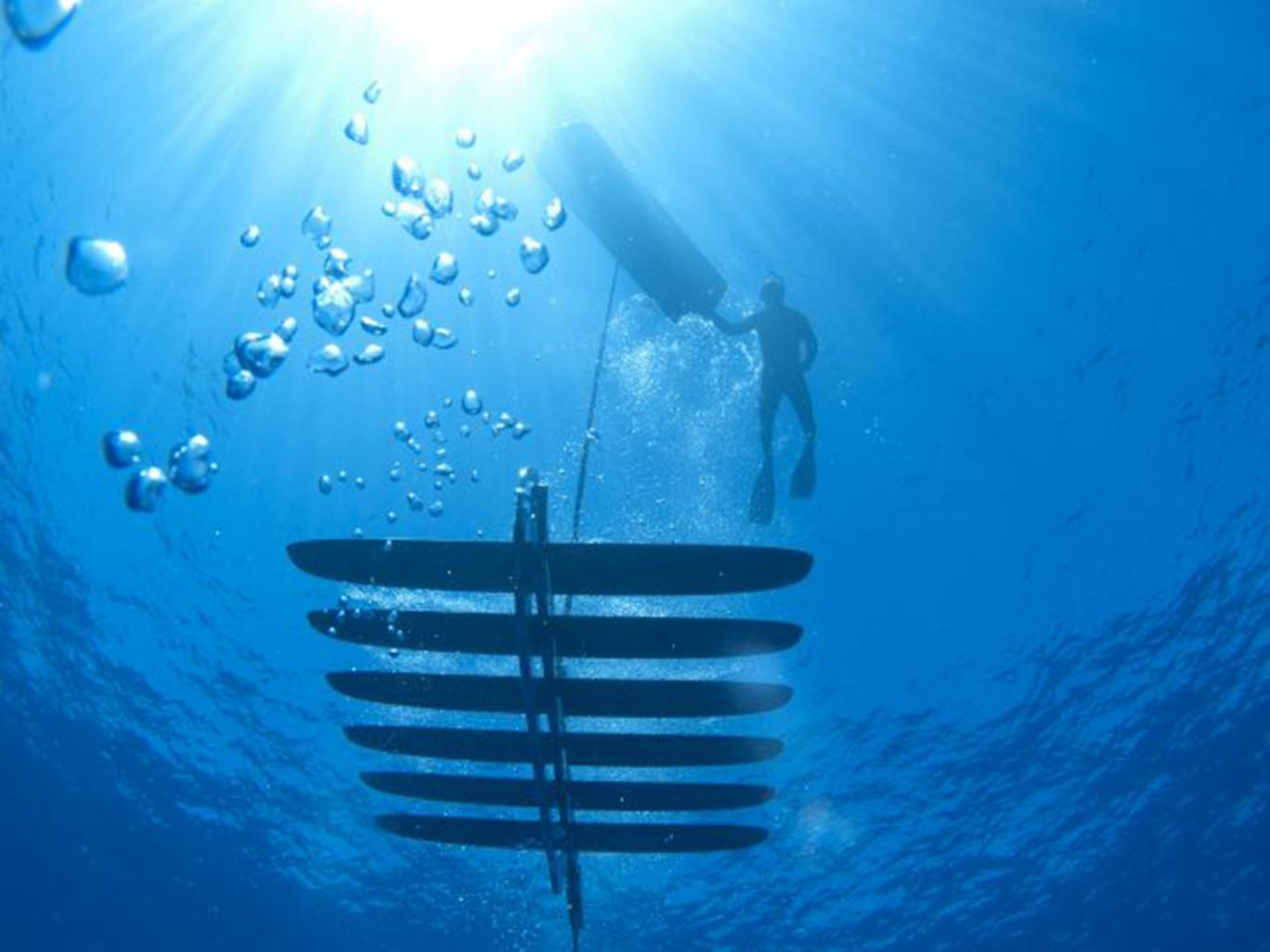
Trident: Nuclear deterrent under threat from underwater drones, expert warns
Rapid advances in underwater drone technology – autonomous underwater vehicles that can be controlled by ship- or land-based operators – threaten to make the controversial Trident nuclear submarines vulnerable, according to Paul Ingram, the executive director of the British American Security Information Council.
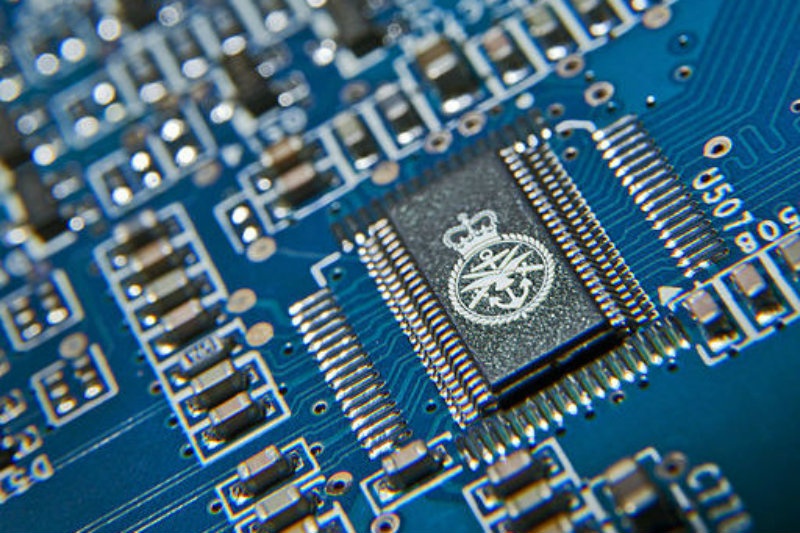
The impact of cyber vulnerability
On 23 November, the day the Strategic Defence and Security Report (SDSR) was released, former Defence Secretary Lord Browne warned of the possibility that the UK’s nuclear deterrent, Trident, will likely be rendered ‘o
Trident Commission: Evidence, Events and Publicity
Evidence Submissions
During the course of its work, the Commission will seek submissions of evidence from interested parties. Written submissions, with the permission of those submitting evidence, will be published here and organised by theme.These are the initial questions that we are seeking submissions on, and we will be adding more as the commission’s work progresses: