
The five NPT-recognised nuclear weapon states (NWS) meet in Beijing for the so-called (though misnamed) ‘P5 process’ this week, prior to the NPT Preparatory Committee in New York that starts at the end of the month. China is the last of the five to host the process, kicked off by the British in September 2009 after a speech at the Conference on Disarmament by the UK Defence Secretary, Des Browne, in February 2008.
Programmes
Iran nuclear talks and the shadow of the Ukraine crisis
On Tuesday and Wednesday of this week, representatives from Iran and the P5+1: China, France, Russia, the United Kingdom, the United States, plus Germany, will meet in Vienna to continue working toward a comprehensive agreement around Iran’s nuclear program. The last such meeting was held in mid-March – not long after the Russian invasion of Crimea, and some worried that the crisis would set back the talks.
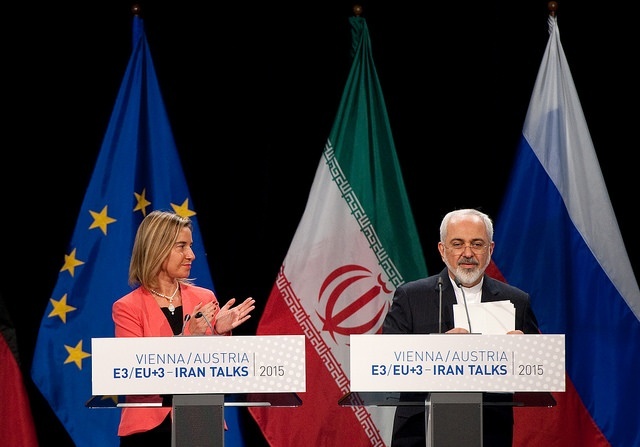
Personal political interests and the Iranian nuclear negotiations
Iran and the E3+3 will be returning to the negotiating table on April 8th to begin yet another round of high level talks on the status and future of the Iranian nuclear program. As ever, there are various causes for caution, and perhaps even concern, as the Iranians and their American and European counterparts continue to disagree on central issues such as the fate of the Arak heavy water reactor and permitted levels of nuclear enrichment.
The Scottish referendum: a chance to challenge our nuclear assumptions?
With just under six months to go until the referendum on Scottish independence, there is still little clarity about how any independence agreement would shape up in practice. A myriad of issues remains on the table, ranging from the everyday – Will there be border control? How will the postal system function? Which television stations will be available? – right up to the most complex strategic questions over currency and economic independence, membership of international organisations, and the future of the UK and Scotland’s defense policies.
Next Generation
BASIC’s NextGen project aims to inspire the next generation to think differently about nuclear weapons by injecting fresh thinking into the nuclear weapons discussion.
Nuclear security: continued breakthrough or stalled progress?
On October 11, 2001, a month following the catastrophic events of 9/11, a CIA report concluded that Al-Qaeda infiltrates planned to detonate a 10-kiloton nuclear bomb at the heart of New York City. Though later deemed as a false alarm, the motivation to conduct a nuclear attack by non-state actors, combined with the widespread availability of fissile material often stored under subpar conditions,
“World leaders fear Ukraine crisis will harm nuclear cooperation”
BASIC Executive Director Paul Ingram provided comment on the new challenges posed by the Ukraine crisis for those who want to push forward on nuclear arms control measures.
Egyptian Approaches on Nuclear Disarmament and Non-proliferation
On March 25th BASIC hosted a conference in collaboration with Cairo University and the Egyptian Council for Foreign Affairs, in order to stimulate discussion about Egypt’s role and strategy in the regional and global non-proliferation regime over the next crucial period leading up to the 2015 NPT Review Conference and beyond, in the interests of effective impact on the disarmament debate.