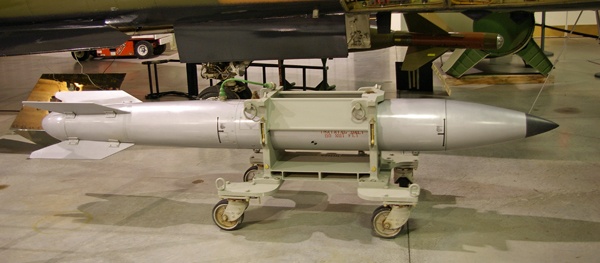
The recent coup attempt in Turkey raises a number of highly troubling questions, not least of which regarding the ongoing security situation surrounding 50-some US B61 nuclear gravity bombs held at Incirlik Air Base.
Programmes
The UK and its Role in the World
The fifth of BASIC’s 2016 Parliamentary Briefing series relating to the Trident debate focuses on the UK’s role in multilateral nuclear disarmament.
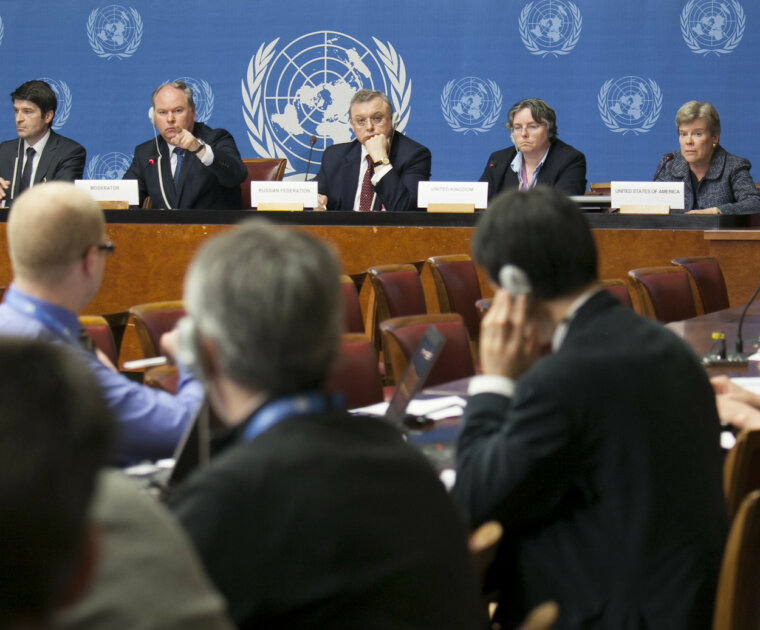
New Strategies for UK Leadership on Multilateral Nuclear Disarmament
The fourth of BASIC’s 2016 Parliamentary Briefing series relating to the Trident debate focuses on the UK’s role in multilateral nuclear disarmament.
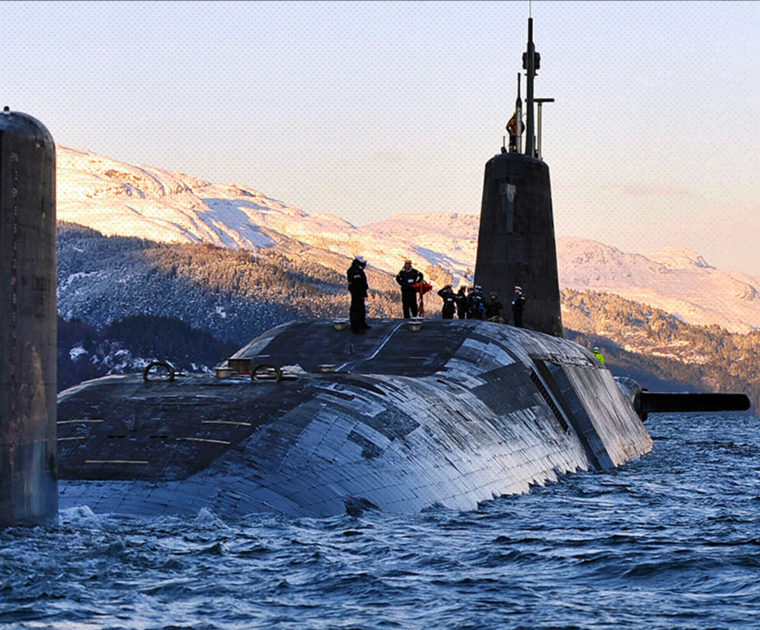
CASD: Options for Trident Patrolling
The third of BASIC's 2016 Parliamentary Briefing series relating to the Trident debate focuses on the issue of continuous-at-sea-deterrence (CASD).
David Cameron announced at the NATO summit in Warsaw on Saturday, “a parliamentary vote [to be held] on July 18 to confirm MP's support for the renewal of four nuclear submarines capable of providing around the clock cover”. Theresa May is expected to follow through with this decision.
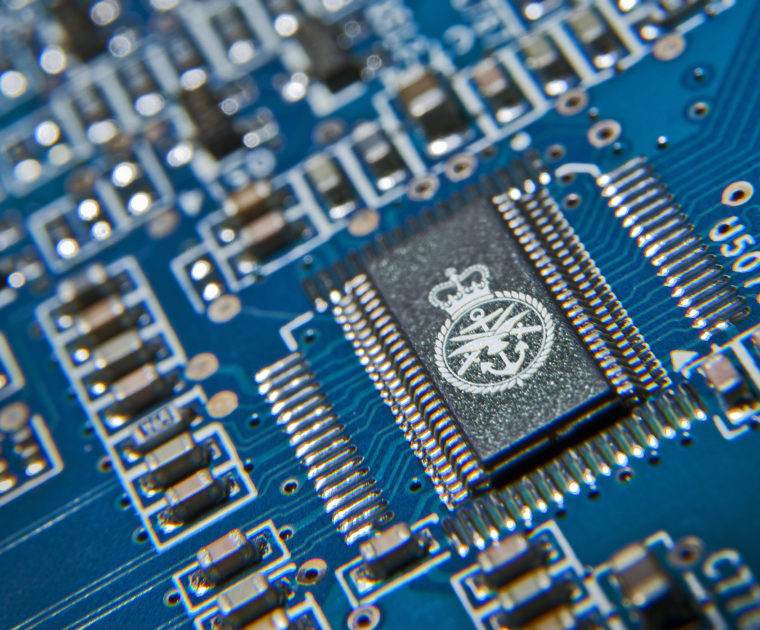
A Primer on Trident’s Cyber Vulnerabilities
The second of BASIC’s 2016 Parliamentary Briefing series relating to the Trident debate is a primer on Trident’s cyber vulnerabilities. Cyber threats impact both critical civilian infrastructure and all military systems dependent upon digital control and communications.

The Inescapable Net: Unmanned Systems in Anti-Submarine Warfare
The first of BASIC’s 2016 Parliamentary Briefing series relating to the Trident debate outlines the state of drone technology today relevant to anti-submarine warfare. Author David Hambling uses open sources to explore how small drone technology will impact the future detection and tracking of submarines.
European Leadership Network on the Successor SSBN
In the wake of the parliamentary vote over a potential Trident successor, Former Assistant Chief of Defence Staff in the Ministry of Defence, John Gower, cited BASIC's three year independent cross-party enquiry on the issue. Gower acknowledged the balanced and inclusive approach BASIC adopted when undertaking the research.
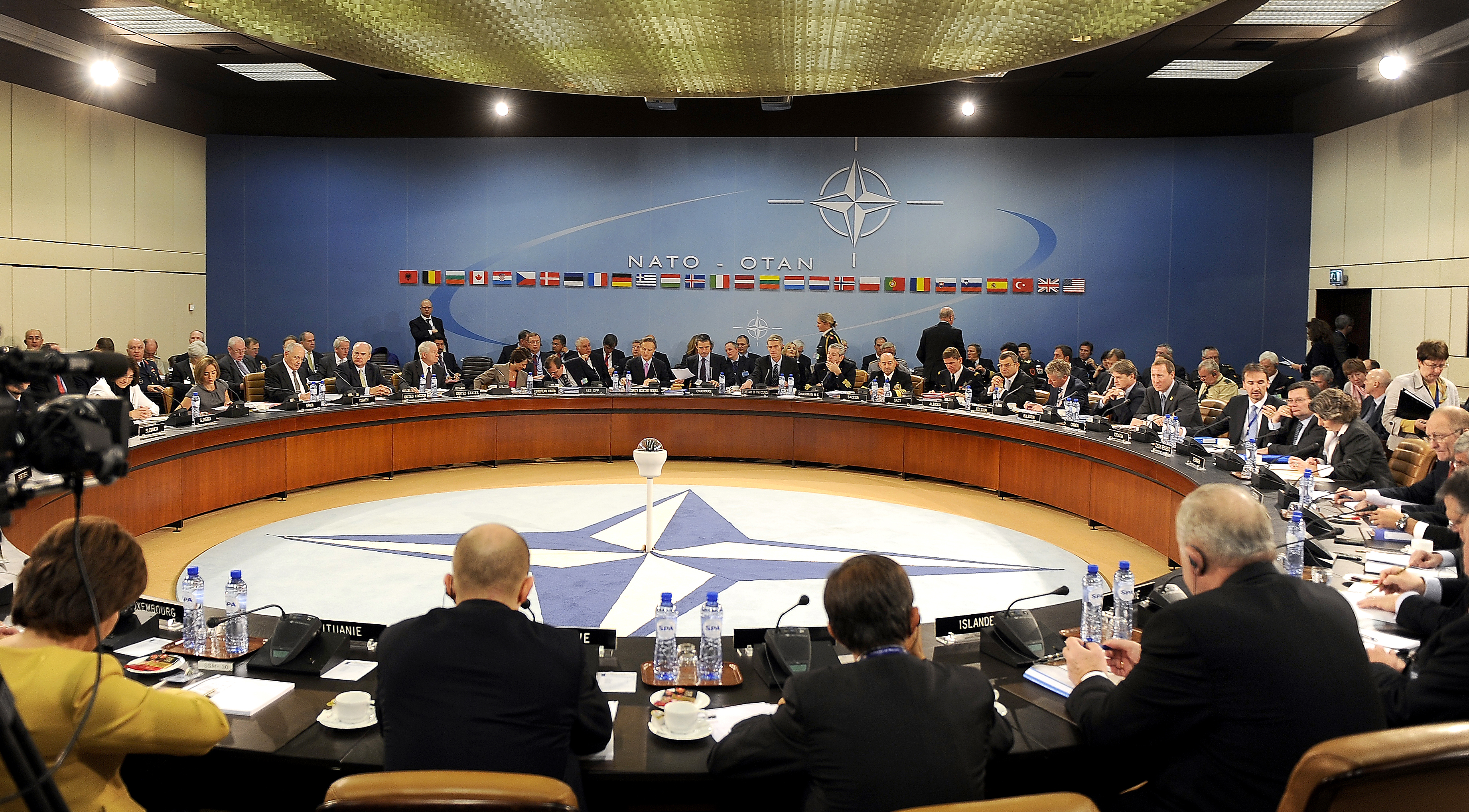
NATO’s 2016 Warsaw Summit: symbolism of a mature alliance?
When NATO heads of state and government enter the halls of the National Stadium in Warsaw for their Summit meeting on Friday, July 8th they will do so with mixed anxieties. They will review the successful implementation of their 2014 Wales Summit commitments, in particular the NATO Readiness Action Plan and the partial reversal of the trend of declining defence budgets.