
Through the second half of the twentieth century, North Korea’s communist regime managed to survive in large part thanks to the backing of its key ally, the USSR. Post-Cold War Russia later modified its position toward its old Cold War ally, and bilateral relations became damaged when the then-USSR established diplomatic ties with South Korea in 1990.
Nuclear Arms Control and Disarmament
North Korea’s nuclear weapons: The bigger picture
NATO heads of states discussed the multitude of threats at their summit in Wales earlier this month. The debate was predictably dominated by the Russian – Ukrainian crisis, though delegates also discussed how best to strengthen Afghan National Security Forces. Buried within the summit declaration was the condemnation of the Democratic People’s Republic of Korea (DPRK) for carrying out nuclear weapon and ballistic missile tests.
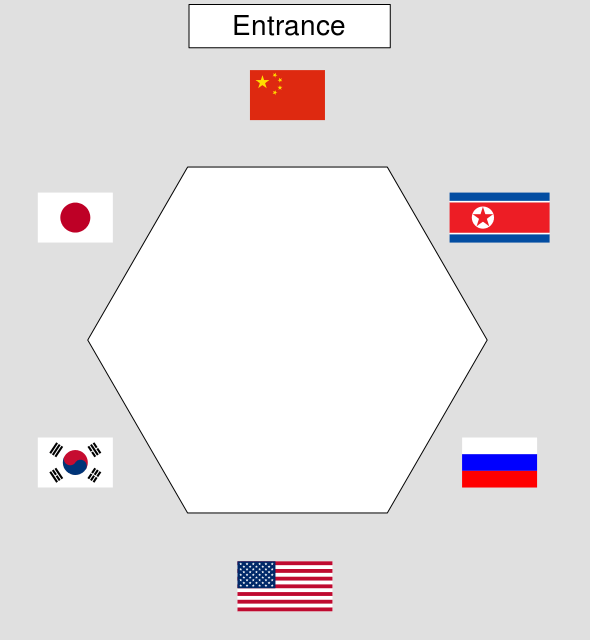
Going back to the Six-Party Talks, is there any hope?
North Korea’s nuclear weapons program has given rise to much debate on the security challenges that it brings to the international system. Its deployment of ballistic missiles and testing of nuclear devices (2006, 2009, and 2013) have alarmed states around the world, and posed dangers and threats to the region. In fact, recent activity at North Korea’s nuclear facility has given rise to new concerns about the possibility of a fourth nuclear test.
The Experience of Nuclear Weapon-Free Zones
This report examines nuclear weapon-free zones and the lessons-learned that could be applied to the issue of tactical nuclear weapons currently based in Europe. The report was originally a background paper for the SWP-BASIC workshop on: “Non-Strategic Nuclear Weapons in Europe: Transparency and Confidence-Building Measures in Practice”, Berlin 27-28 March 2014.
A Glance at the Ukraine Crisis’s Impact on Nuclear Weapons Considerations
This week, eyes are on Ukraine to see whether the presidential election held on Sunday will soon lead to more stability; while many Ukrainians look ahead to the challenge of grappling with the problems that led to the crisis – both internal and external. The crisis intensified dynamics of a deteriorating relationship between NATO and Russia, where prospects had already been bleak for nuclear arms control. The crisis has even led some to call for re-emphasizing the role of nuclear weapons in transatlantic security.
Multilateral Frustrations Generate Challenges for Disarmament Diplomacy
This week the Conference on Disarmament begins its second session of the year in Geneva, on the back of the two weeks of multilateralism in New York City at the Nuclear Non-proliferation Treaty’s third Preparatory Committee Meeting (PrepCom).
How Do We Change the Global Nuclear Order?
Whenever diplomats get together to address the really big global issues of our time, the already daunting challenges of co-ordination are made more complex by their governments’ competing policy commitments—to economic growth (simplistically conceived), special-interest groups, “national security” and prestige.
Heeding the outcomes & remaining challenges of the 2014 Nuclear Security Summit
On March 24-25, 53 world leaders convened at The Hague for the third Nuclear Security Summit to discuss the implementation of national measures to protect vulnerable fissile and radiological material from belligerence-prone hands. The following commentary focuses on the summit’s outcomes and remaining challenges as a platform to build on for continued progress.