

This report arises from a one-day roundtable on ‘nuclear responsibilities’ on the 6th March 2019, hosted by the Institute for Strategic and International Studies (ISIS) Malaysia, in Kuala Lumpur.
Publication

Report: Reporting on Nuclear Disarmament – Success and Failure in 25 Years of Disarmament Diplomacy
Nuclear disarmament has fallen off the public agenda. Media attention is sporadic and reactive, focusing on short-term trends like summits with North Korea or sanctions on Iran. But the longer-term process of global disarmament rarely features in the news cycle and where there is reference it is treated with disdain as unrealistic. This has serious costs to public engagement and democratic accountability.
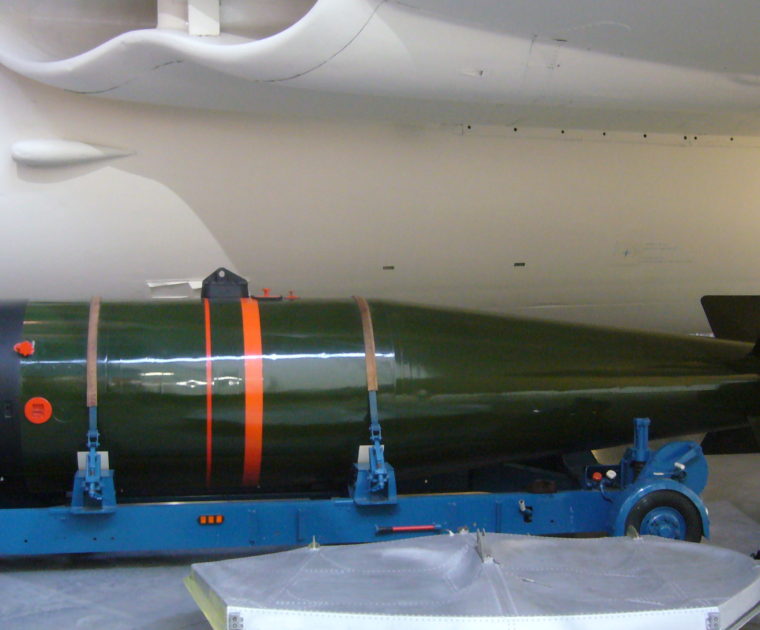
Report: A History of the United Kingdom’s WE 177 Nuclear Weapons Programme
This history offers a chronological account of the WE 177 from 1959 through to the decision to provide a third variant of the design for the RAF in the 1970s, and then onto the late 1970s.

Report: Common but Differentiated Nuclear Responsibilities – Perspectives from Tokyo
This report proposes that states have ‘common but differentiated responsibilities’ around nuclear weapons and is developed from a one-day roundtable to introduce the Japanese nuclear policy community to the ‘nuclear responsibilities’ framing.
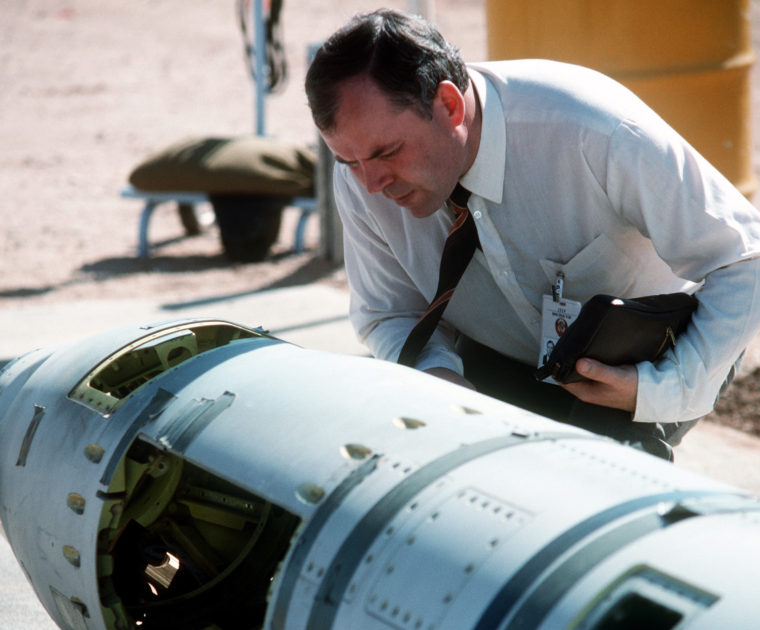
BASIC submits evidence to Defence Select Committee Inquiry into the INF Treaty
BASIC submitted evidence to the Defence Select Committee Inquiry into the INF Treaty.

Roundtable Report: Indian and Pakistani Nuclear Responsibilities
This is a briefing arising from a roundtable co-hosted by BASIC and The Centre for Science and Security Studies (CSSS), King’s College London, on 25th June 2018. This discussion included international and civil society, think tanks and government representatives.

Pragmatic Leadership to achieve progress on disarmament: Finding Stepping Stones in the Step-by-Step approach
This is a roundtable report for the roundtable ‘Pragmatic Leadership to achieve progress on disarmament: Finding Stepping Stones in the Step-by-Step approach’, organised by BASIC in London on 22 November 2018.

NATO Leadership at the NPT: Finding Stepping Stones in the Step-by-Step Approach
The roundtable assessed the general health of the Non-Proliferation Treaty (NPT), the state of nuclear disarmament and arms control, and what leadership means in creating a cooperative approach at the 2020 NPT Review Conference.