
The threat of military intervention in Syria in response to alleged chemical weapons use by Bashar Al-Assad’s government was put on hold this past week as U.S. and Russian Foreign Ministers, John Kerry and Sergei Lavrov, negotiated a deal that would see Syria sign up to the U.N. Chemical Weapons Convention (CWC) and hand their chemical weapons stockpile over to the international community. As we edge towards a decision, it may be valuable to reflect on the core arguments that have been driving the debate.
Content Type
Despotism or Democracy?
As the 2015 general election and the decision on whether to replace Trident approaches, it is important to consider the implications of the continued possession of nuclear weapons for British democracy. Historically, Britain’s bomb has been dependent on US support, a relationship notable for its opacity and lack of democratic accountability.
“Syria crisis Q&A: chemical weapons disarmament would face multiple hurdles”
BASIC Executive Director Paul Ingram was quoted in this article by Damien McElroy. The article briefly reviews Syria's chemical weapons holdings, and asks what it might take to seize and remove its stockpiles.
Mr. Alexander goes to Washington
On Wednesday, Britain's Chief Secretary to the Treasury, Danny Alexander, will be in Washington, D.C. discussing the UK government's study on alternatives to the Trident nuclear weapon system, released in mid-July.
‘Defending the Future’: A rational approach to Britain’s future nuclear arsenal
The UK faces a major strategic choice at the 2015 election over whether to renew the UK’s nuclear weapons systems beyond 2042. This briefing was commissioned by BASIC and WMD Awareness for the Liberal Democrat Party Annual Conference this month. It outlines the debate, the options, and other considerations that need to be taken into account by decision makers during this time of deliberation.
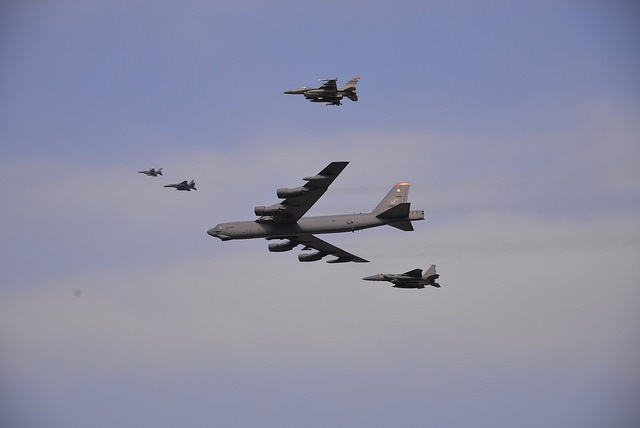
Minimum Deterrence: Examining the Examination
The mid-August publication of the National Institute for Public Policy’s Minimum Deterrence: Examining the Evidence has re-invigorated the debate on America’s nuclear policy and on the concept of nuclear deterrence in general: Does it make sense in the 21st century? Can a ‘Deterrence Lite’ policy, hereafter called ‘Minimum Deterrence’ (MD), really work?
Raising our sights in Syria
President Obama’s announcement on Saturday that he stands ready – before UN weapons inspectors report on their findings but contingent on Congressional consultation – to initiate military action against the Syrian regime for its alleged use of chemical weapons in Damascus two weeks ago, has received mixed reactions both in the US and further afield.
TacNukes News No. 6
 A summary of news and analysis on tactical nuclear weapons.