
On Monday night, MPs voted 472 to 117 to replace UK’s Trident nuclear weapons system, following a five and half hour Parliamentary debate. The atmosphere was tense; the united SNP benches made an impassioned case against Trident from across the room, while the Conservatives all voted in favour, but for the Chair of the Foreign Affairs Select Committee who voted against the motion. Many arguments were aired both for and against Trident. But what kind of arguments did the MPs make?
Content Type
Trident Wrapped Up?
It is a mystery why Cameron and then May took Trident to a vote yesterday. OK, so it’s nice to start off with a good strong issue that delivers a comfortable government majority, unites the Party and splits the opposition. But it risks slaughtering the goose that had just kept laying those golden eggs.
In an age of ‘smart’ weapons, we can live without nukes
In this article for UPI, Rethinking Nuclear Weapons Project Director Ward Wilson counters the argument that we need nuclear weapons to provide us security in an increasingly dangerous world.
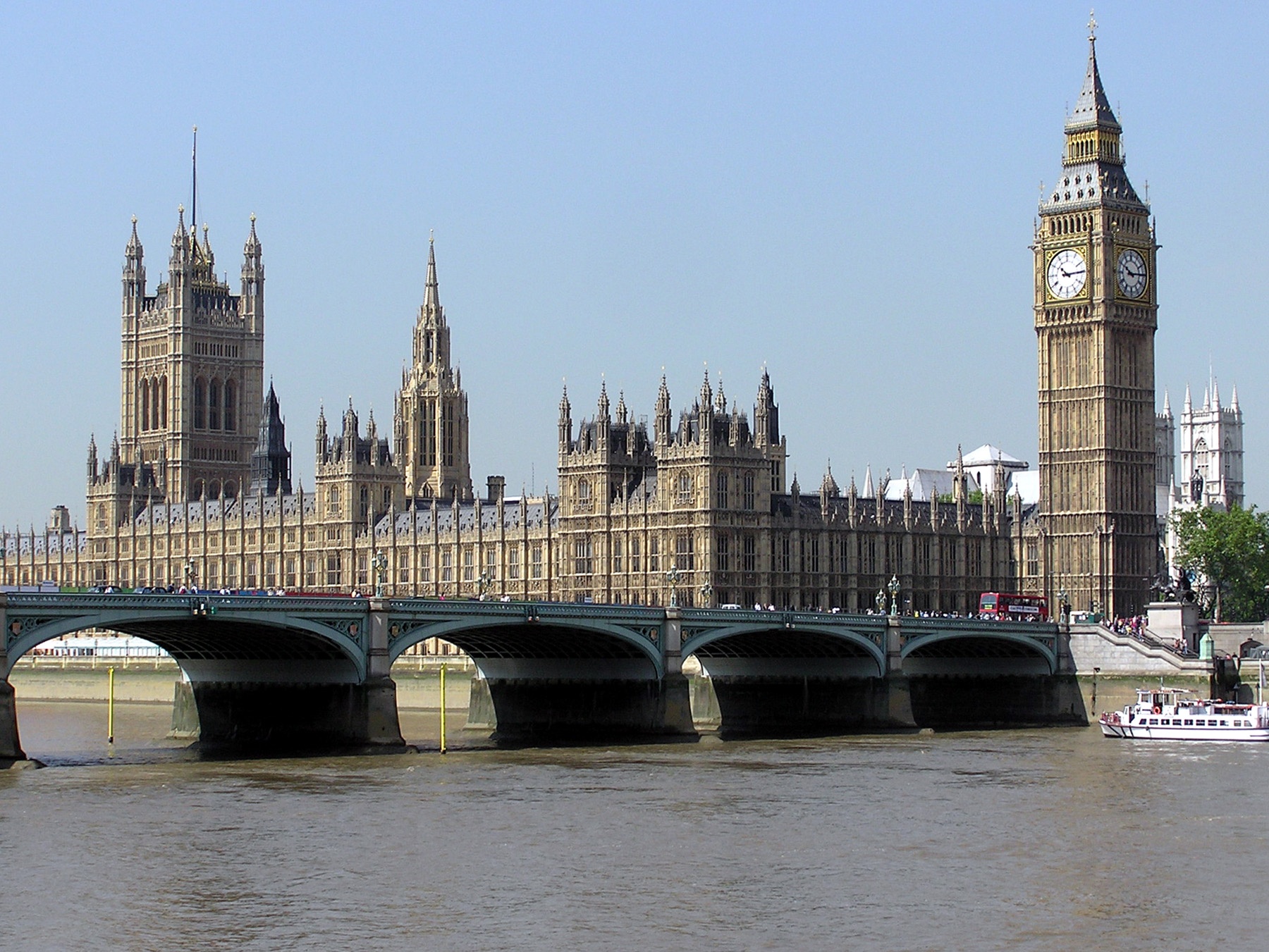
The outcome of the Trident vote will not be the last word
Parliament has today voted in favour of the government’s plans to replace the four Vanguard class submarines with Successor submarines, based upon continuous submarine patrolling. This vote may have provided the country’s new Prime Minister Theresa May a quick and immediate opportunity to demonstrate business as usual, a new government keen to get things done post Brexit.
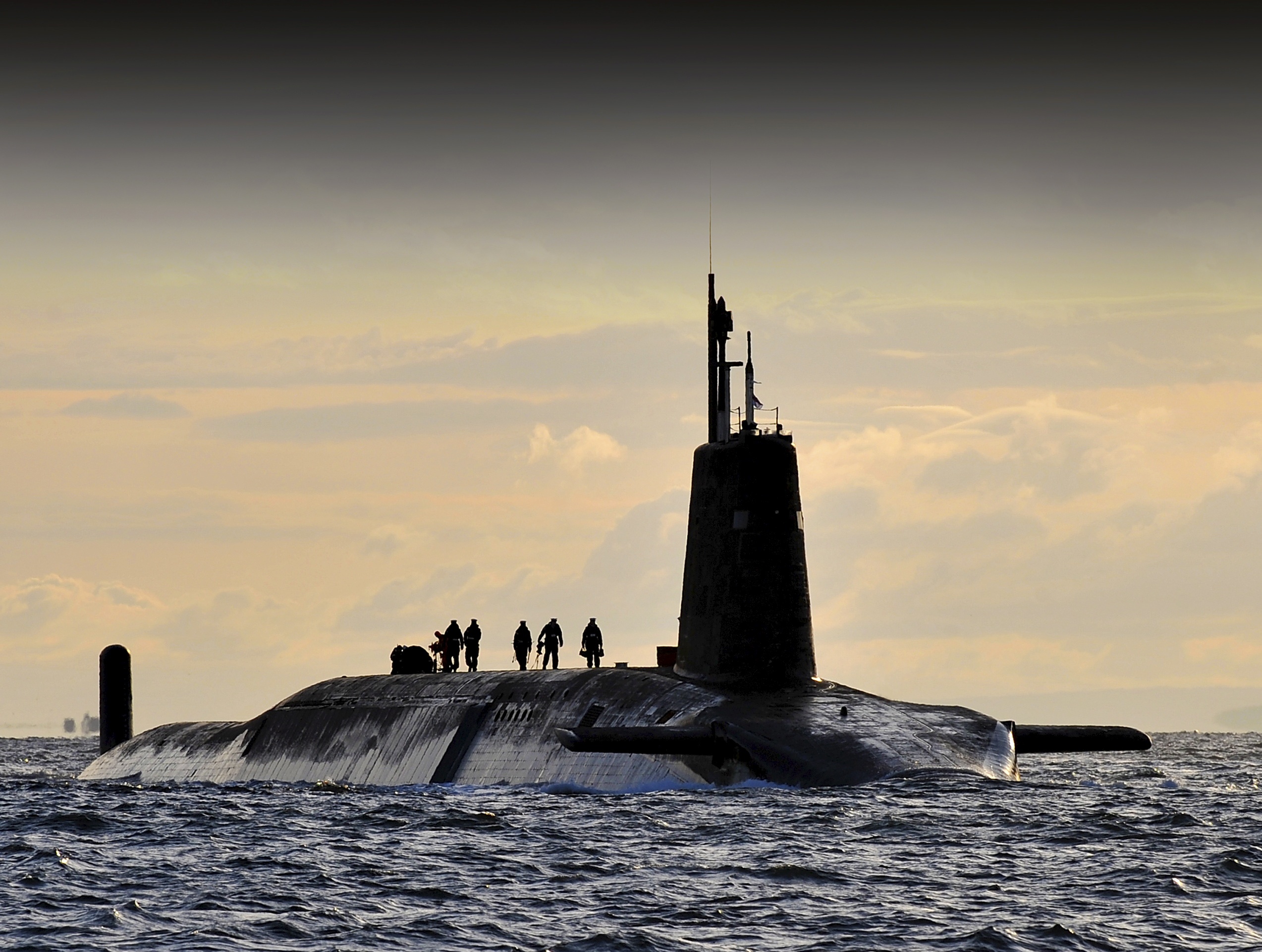
Voting for Trident before the Scotland question is settled is illogical
The UK Parliament will be voting tonight on the principle of replacing Trident nuclear weapons system. It is a symbolic commitment, unconnected to any contracts or procurement timetable. Meanwhile, the government commitment to leave the EU is stoking calls for a second Scottish referendum. As the UK’s nuclear weapons submarines have their only base in Scotland, voting for Trident before coming to an agreement about the UK’s future makes no sense.
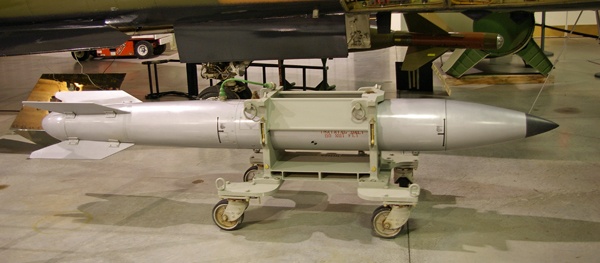
US Nuclear Weapons out of Turkey – NOW
The recent coup attempt in Turkey raises a number of highly troubling questions, not least of which regarding the ongoing security situation surrounding 50-some US B61 nuclear gravity bombs held at Incirlik Air Base.
The UK and its Role in the World
The fifth of BASIC’s 2016 Parliamentary Briefing series relating to the Trident debate focuses on the UK’s role in multilateral nuclear disarmament.
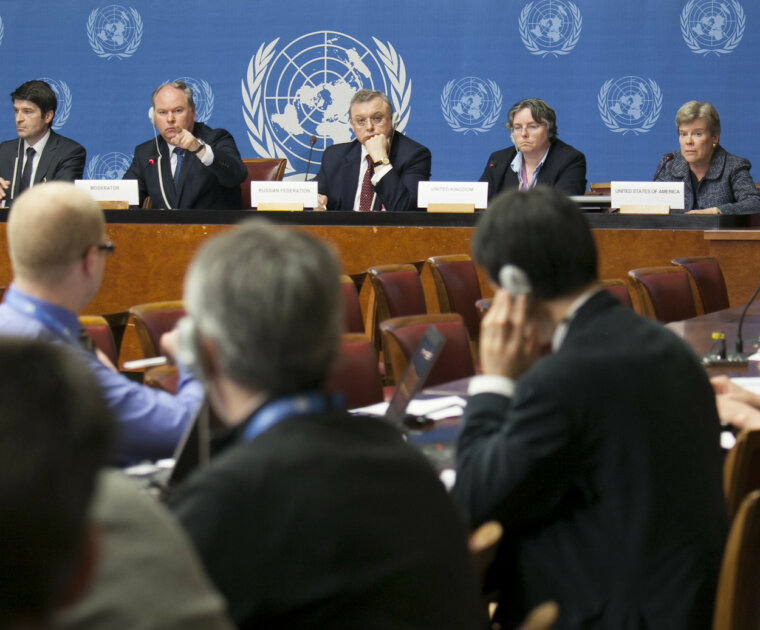
New Strategies for UK Leadership on Multilateral Nuclear Disarmament
The fourth of BASIC’s 2016 Parliamentary Briefing series relating to the Trident debate focuses on the UK’s role in multilateral nuclear disarmament.