
The paradox of technological vulnerabilities: anyone can use them
Content Type
Trump’s Nuclear Rhetoric and its implications for European Security: 27 Feb 2017
Trump’s Nuclear Rhetoric and its implications for European Security
Further questions were raised over the direction of US nuclear posture review last week. In an exclusive interview with Reuters, Trump opined that the US has 'fallen behind on nuclear weapon capacity' and pledged the US to be 'top of the pack' when it comes to nuclear weapons.
Nuclear non-proliferation: Planning for 2020
Each December, Wilton Park, the UK Foreign Office conference centre, hosts an international conference on nuclear disarmament and non-proliferation. In 2016, BASIC Director Paul Ingram authored the official report.
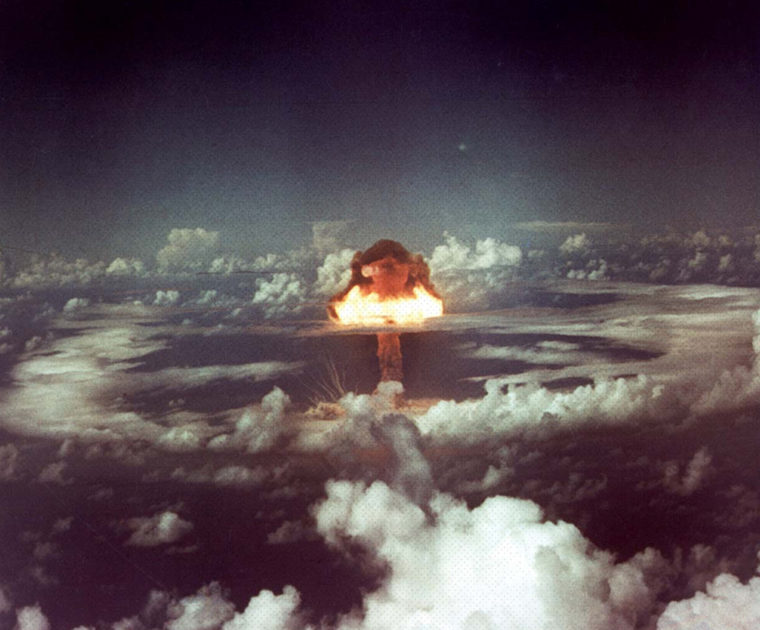
Nuke accidents inevitable, public always at risk
Following the 2016 report on nuclear accidents by the Nuclear Information Service, RT contacted BASIC Executive Director, Paul Ingram, for an interview on the public risks associated with the deployment of nuclear weapons.

Implications of US Nuke Debate for UK
BASIC's Executive Director, Paul Ingram, recently authored an article in the Huffington Post which reviews President Trump's inconsistent messages with regards to US nuclear policy. Paul explores the potential repercussions of US nuclear posture on decision-making in Westminster and further afield.
“The salience of the nuclear weapons debate in the United States and further afield has risen dramatically in recent months, with much to play for.”
Read the full article here.
Opening Salvos in the Trump Administration’s Nuclear Debate: 10 Feb 2017
The US President has the authority to launch the US nuclear arsenal at any time and without reference to any other authority. During the Presidential election Democrats attempted to discredit Trump’s ability to handle the grave responsibilities of office that come from control of the country’s thousands of nuclear warheads. US nuclear posture and doctrine is now set to remain a high-profile, contentious issue in the first year of the Trump Administration.

Report: Responsible Nuclear Sovereignty and the Future of the Global Nuclear Order
What are states' responsibilities around the possession of nuclear weapons?
Our latest report, written in partnership with the Institute for Conflict, Cooperation, and Security (ICCS), at the University of Birmingham, seeks to foster an international dialogue about the responsibilities of nuclear-armed states.
A Policy Proposal for the UK Government: Prevent a Nuclear Catastrophe
Paul Ingram, BASIC’s Executive Director, was one of the judges in the recent Young Student Pugwash competition. Participants were asked to write a blog in response to the below challenge. The winner is Caroline Leroy. We reproduce her blog post here.