

This is a briefing arising from a roundtable co-hosted by BASIC and The Centre for Science and Security Studies (CSSS), King’s College London, on 25th June 2018. This discussion included international and civil society, think tanks and government representatives.
Content Type
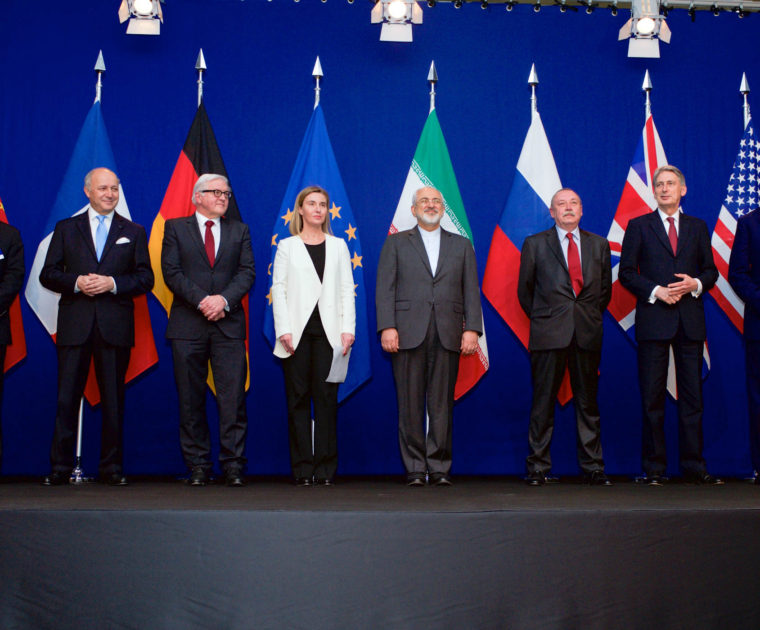
Preventing Proliferation in Iran and North Korea: After Singapore and US Sanctions
On 20 November, the APPG on Global Security and Non-Proliferation held a meeting to discuss the state of US relations with Iran and North Korea following the Singapore summit and reinstatement of US sanctions against Iran.

Pragmatic Leadership to achieve progress on disarmament: Finding Stepping Stones in the Step-by-Step approach
This is a roundtable report for the roundtable ‘Pragmatic Leadership to achieve progress on disarmament: Finding Stepping Stones in the Step-by-Step approach’, organised by BASIC in London on 22 November 2018.
NATO Leadership at the NPT: Finding Stepping Stones in the Step-by-Step Approach
The roundtable assessed the general health of the Non-Proliferation Treaty (NPT), the state of nuclear disarmament and arms control, and what leadership means in creating a cooperative approach at the 2020 NPT Review Conference.
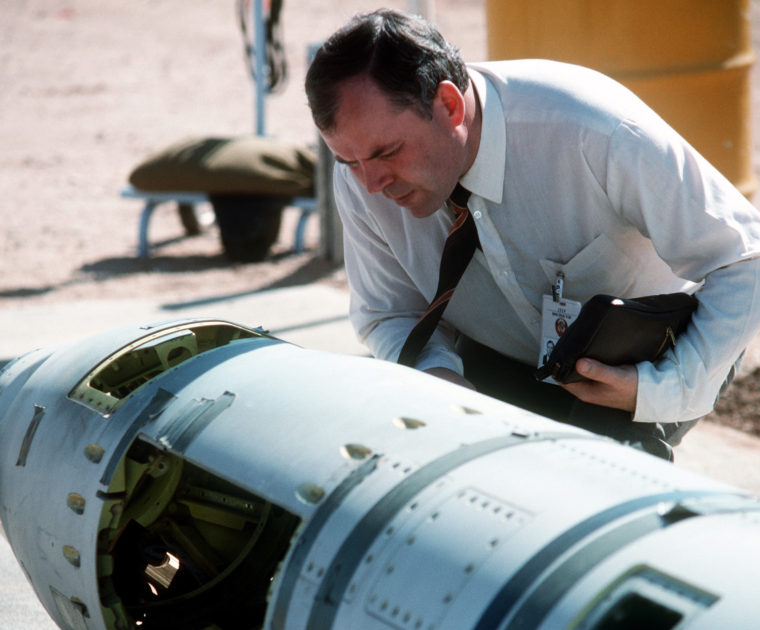
Prospecting for a Fissile Material (Cut-off) Treaty: Opportunities to Re-engage
Looking at the topography of the current global nuclear ‘order’, the casual observer might be…
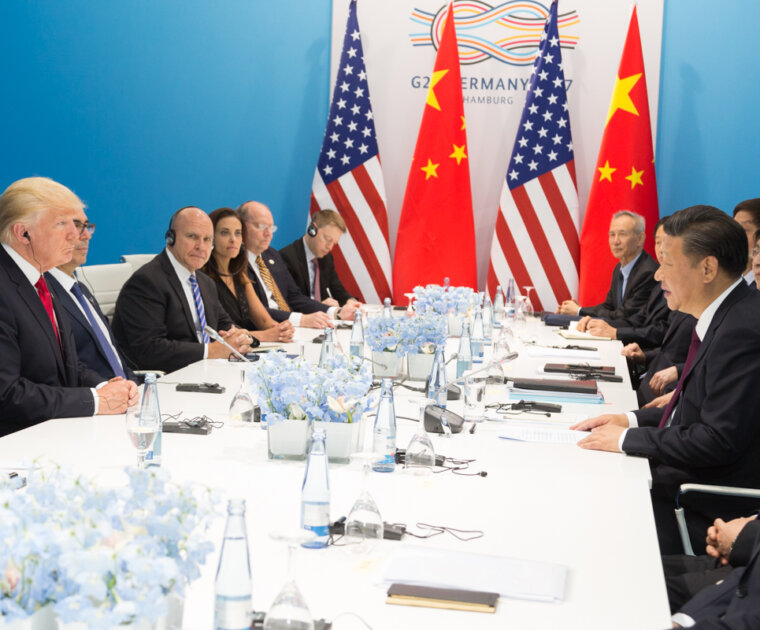
Conflicting Paths to the Same Goal: Beijing, Washington and the North Korean Security Crisis
American policy and media discourse over China have recently hardened perceptibly due to several contentious issues in economics, geopolitics and security.

Phase 2.0 of the Programme on Nuclear Responsibilities
The Programme on Nuclear Responsibilities brings together Nuclear Weapon States and Non-Nuclear Weapon States to foster understanding and dialogue on the responsibilities of states and state leaders around nuclear weapons. Launched in 2016, the Programme is now moving into an exciting second phase – find out more here.
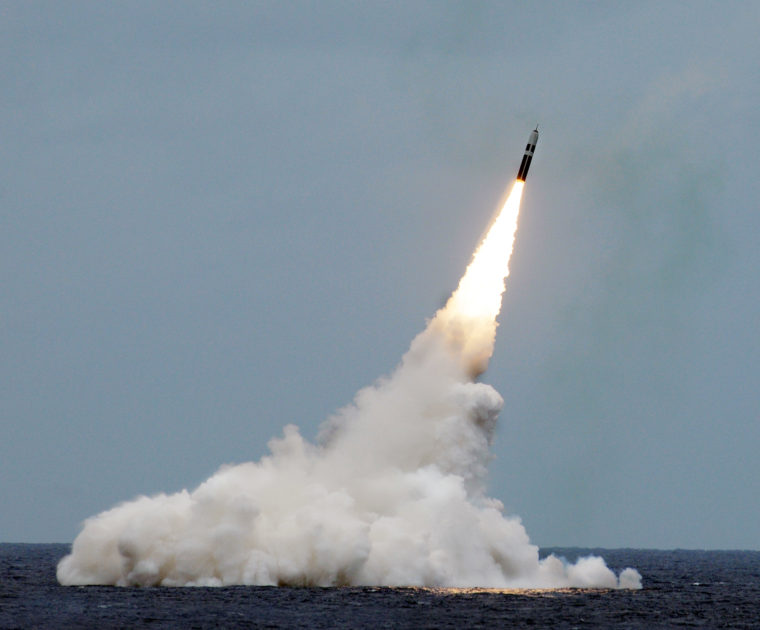
Report: How much does the UK spend on nuclear weapons?
This report draws upon a mixture of publicly available data and estimates in order to outline both the current operating costs of the Trident nuclear weapon system, as well as the estimated costs of the current plans to renew the UK’s nuclear arsenal.