Last month the E3+3 (often referred to as the P5+1) met with Iran for another round of talks in the nuclear negotiations.
Blog
A dangerous game of symbolism we could do without
Nuclear weapons have become symbolic weapons, for display only. They are not weapons of war. They have played no part in the wars of the last few decades. When nations felt threatened, they did not look to their nuclear arsenals for a sense of security.
Multilateralism – is the end in sight?
The P5 process was a British attempt to spark multilateral nuclear disarmament. It should no longer be accepted as an excuse for inaction.
BASIC Chair awards Dr Patricia Lewis Honorary Doctor of Laws
On Wednesday, 21 January 2015, Dr Trevor McCrisken, chair of BASIC’s board of trustees awarded Dr Patricia Lewis an Honorary Doctor of Laws at the University of Warwick.
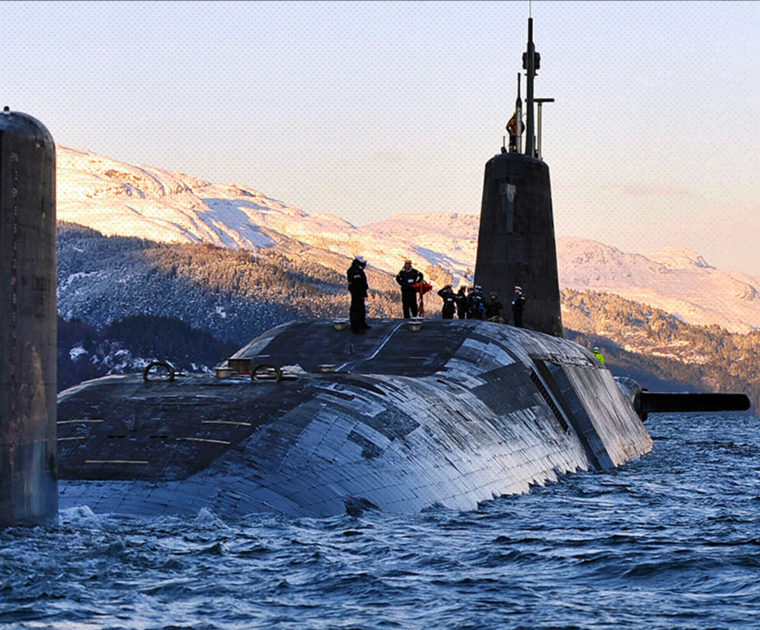
Talking Trident at the University of Warwick
BASIC and WMD Awareness held another event in the Talking Trident: A Conversation with the Next Generation event series on 15th January at the University of Warwick.
Will America’s political discord torpedo the Iran talks?
Continued Republican efforts to force further sanctions on Iran threaten the fragile coalition making progress on nuclear negotiations, which already show wear from an outdated zero-sum approach.
Iran’s Beef
“Where you stand depends on where you sit” is an old maxim of politics. Where Iranians sit is on a lot of history that inclines them to resent and mistrust America and Britain, and mistrust in particular anything that would compromise their freedom of action.
Implications of failing to reach a deal, again
Despite a tremendous diplomatic effort last week, the E3+3 (P5+1: United States, United Kingdom, France, Russia, China and Germany) negotiations with Iran failed to reach a comprehensive agreement to limit Iran’s nuclear capacity in exchange for lifting sanctions by their self-imposed November 24 deadline.