
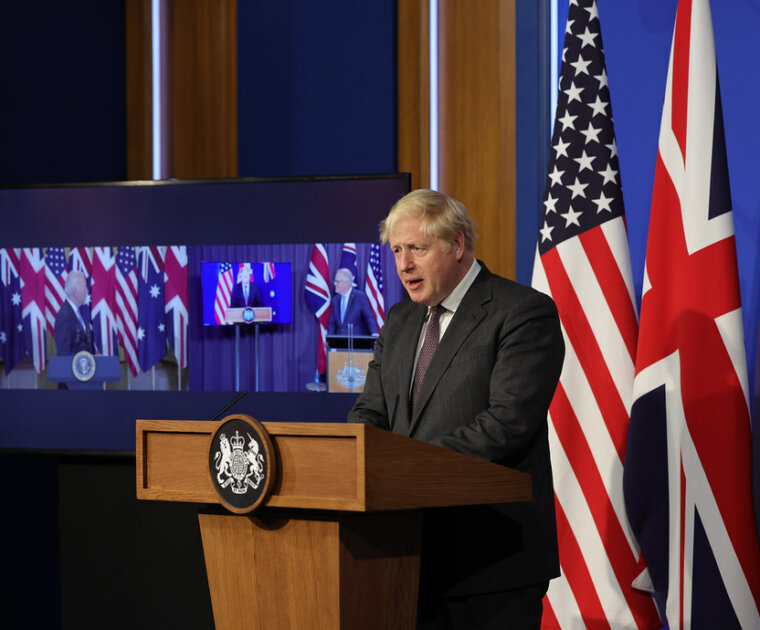
In the second of our series reflecting on the value of thinking about risk reduction and security in the Asia-Pacific in terms of nuclear responsibilities, Ristian Atriandi Supriyanto examines the response of ASEAN governments to AUKUS.
Analysis

Reflections on Rethinking Nuclear Responsibilities
Rabia Akhtar shows how a focus on nuclear responsibilities in South Asia opens up new possibilities for a dialogue that can contribute to developing a new shared framework for reducing risks, especially during times of crisis.

Understanding the ICJ’s Order on the Allegations of Genocide in Ukrainian Territory (Ukraine v. Russian Federation)
Flávia Salazar Sousa discusses the ruling from the ICJ in the case Ukraine v. Russian Federation on allegations of genocide under the Genocide Convention of 1948.

The Global South: Access to Nuclear Technologies and the Ban Treaty
In this blog piece, Professor Andrew Futter and Dr Olamide Samuel discuss the lack of focus on civilian nuclear energy and the Global South in analyses of the Ban Treaty.
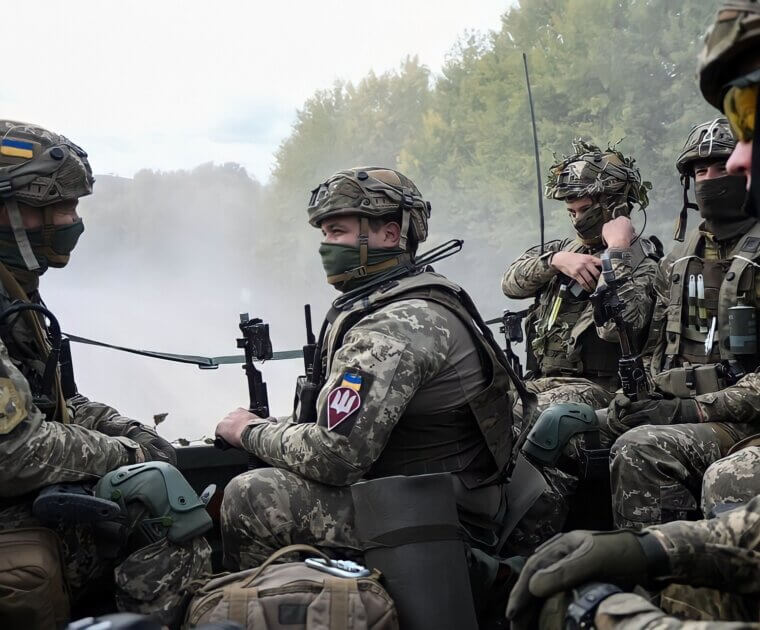
Ukraine, Remote Interventionism, and the Stability-Instability Paradox: The Need to Re-Prioritise Nuclear Risk Reduction
Dr Simone Papale and Dr Chiara Cervasio discuss how Western remote interventionism to counter Moscow’s aggression in Ukraine validates the stability-instability paradox.

The Ukraine Crisis and Europe
The world appears to be looking to the United States to solve the current crisis…

Emerging Technologies and The Nuclear Responsibilities Approach
This article highlights the impact of emerging technologies on the security of nuclear weapons and, in turn, on strategic stability. This article suggests that the Nuclear Responsibilities Approach can help mitigate the threat posed by the emerging technologies.

The Stepping Stones Approach, the TPNW, and the Value of Complementarity for Sustainable, Verifiable Disarmament
Emily Enright and Eva-Nour Repussard argue that rather competing against one another, the Stepping Stones Approach and the Treaty on the Prohibition of Nuclear Weapons are mutually reinforcing in advancing disarmament.